Key Takeaways
- Oyster mushrooms supply protein, fiber, B vitamins, potassium, copper, and ergosterol (a vitamin D2 precursor, especially when UV-exposed) at very low calorie cost
- Beta-glucans like pleuran support immune modulation, improved cholesterol, and better blood sugar regulation
- Human studies link regular intake to reduced LDL cholesterol and modest blood pressure improvements
- Anticancer findings remain preclinical—not confirmed treatments in humans
- Individuals on statins or glucose-lowering medications should consult a clinician before concentrated supplements
Are Oyster Mushrooms Good for You? The Science-Backed Answer
Short answer: yes.
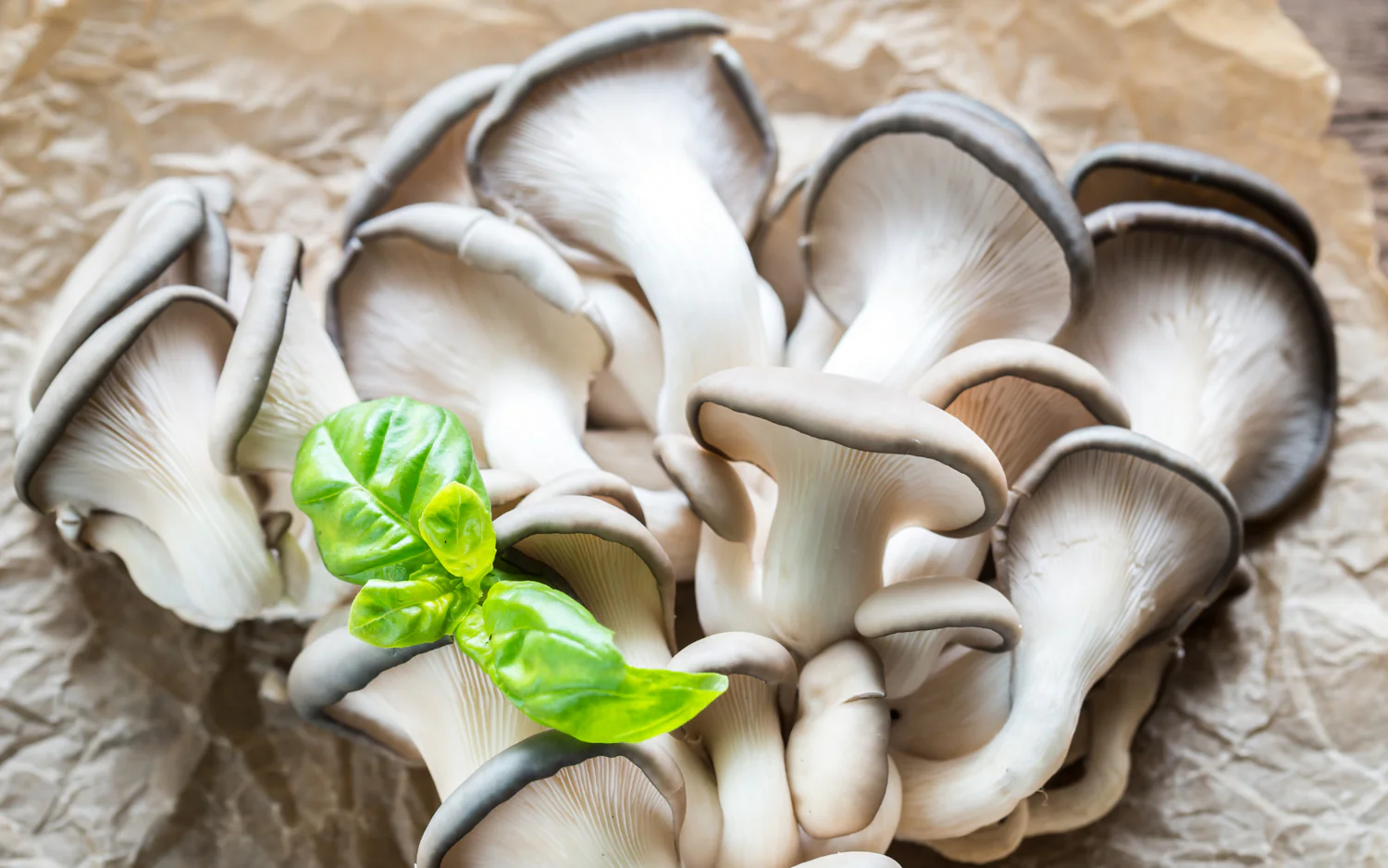
Oyster mushrooms (Pleurotus spp.) are one of the most nutrient-dense functional foods available—clearly distinct from psychoactive species (understand the difference between functional mushrooms vs psychedelic mushrooms). They deliver quality protein, fiber, B vitamins—especially niacin—folate, potassium, phosphorus, and copper while remaining low in calories, fat, and cholesterol.
The research goes beyond basic nutrition. Human and preclinical studies connect regular oyster mushroom consumption with improved blood lipid profiles, modest reductions in blood pressure, and better blood sugar control in individuals with impaired glucose tolerance or type 2 diabetes. Their beta-glucans, polysaccharides, and phenolic compounds demonstrate measurable antioxidant, anti-inflammatory, and immunomodulating activity.
| Attribute | What the Data Shows |
| Cholesterol | Reduced total and LDL in human trials |
| Blood Sugar | Improved regulation in type 2 diabetes studies |
| Immune Response | Beta-glucan (pleuran)–driven modulation |
| Anticancer | Preclinical only—not a confirmed human treatment |
| Safety | Safe for most adults in culinary amounts |
One important caveat: those anticancer effects haven’t been validated as therapies in humans. View them as complementary nutrition, not medicine.
For most healthy adults, cooked oyster mushrooms are a smart, evidence-backed addition to a metabolic-health-focused diet. If you’re on glucose-lowering or statin medications, pregnant, breastfeeding, or allergic to mushrooms—talk to your clinician before reaching for concentrated extracts or high-dose powders. Learn more about sourcing quality functional mushrooms from trusted suppliers before adding them to your routine.
Oyster Mushroom Nutrition Profile: Why They’re Nutrient-Dense
What makes Pleurotus ostreatus a standout? Density. Not caloric density—nutrient density.
A single cup (~85–100 g raw) delivers broad-spectrum micronutrition at under 37 calories:
| Nutrient | Per Cup (~85–100 g) |
| Calories | 28–37 |
| Protein | 3–4 g |
| Dietary Fiber | ~2 g |
| Fat | <1 g |
| Niacin (B3) | ~25–30% DV |
| Copper | >20% DV |
| Potassium | Several hundred mg |
Beyond standard vitamins, oyster mushrooms concentrate ergothioneine—a sulfur-containing antioxidant amino acid that accumulates in high-oxidative-stress tissues—and beta-glucans like pleuran, which modulate immune responses and support gut fermentation into short-chain fatty acids. Understanding the life of a spore from germination to mycelium helps explain why these fungi concentrate such potent bioactive compounds during development.
If you’re interested in growing your own nutrient-dense oyster mushrooms, starting from liquid cultures is one of the most reliable methods for home cultivators.
Evidence-Backed Health Benefits of Oyster Mushrooms
Pleurotus ostreatus is one of the better-studied functional mushrooms in clinical and preclinical literature. The data points to three primary benefit categories: cardiometabolic support, immune modulation, and antioxidant protection. Whether consumed whole, as powders, or as mushroom gummies, the bioactive compounds remain the focus of ongoing research.
| Benefit Area | Key Mechanism | Evidence Level |
| Cholesterol reduction | Beta-glucan fiber, bile acid excretion | Human trials |
| Blood sugar regulation | Slowed carbohydrate absorption, gut microbiota shifts | Human + preclinical |
| Immune modulation | Pleuran, phenolic compounds, ergothioneine | Preclinical + early human |
| Antioxidant protection | Phenolics, flavonoids, ascorbic acid | In vitro + animal models |
Heart Health and Cholesterol Support
Beta-glucans and fiber in oyster mushrooms can help reduce total and LDL cholesterol, triglycerides, and blood pressure—particularly in people with metabolic risk factors.
The mechanism? Decreased endogenous cholesterol synthesis, improved bile acid excretion, and short-chain fatty acid production in the gut. A systematic review of human trials confirms these lipid-lowering and blood pressure effects across multiple study populations. Niacin, potassium, and magnesium contribute additional vascular support.
Blood Sugar Control and Metabolic Health
Human studies in type 2 diabetes patients show reductions in fasting blood glucose after short-term daily intake of cooked Pleurotus or powdered preparations.
Their soluble fibers slow gastric emptying, improving postprandial glucose responses—while emerging data suggests favorable gut microbiota shifts linked to better metabolic flexibility.
Immune System and Antioxidant Protection
Pleuran, phenolic acids, flavonoids, and ergothioneine drive robust immune and antioxidant activity.
Preclinical research shows these extracts modulate both innate and adaptive immune responses—enhancing infection-fighting cell activity while balancing excessive inflammation and neutralizing reactive oxygen species. If you’re exploring other functional mushroom benefits for daily wellness, you may also wonder does lions mane make you sleepy—another common question in the functional mushroom space.
Are Blue Oyster Mushrooms Good for You?
Short answer: yes—with a caveat worth noting.
Blue oyster mushrooms are a colored variety of Pleurotus ostreatus. For a deeper profile of this striking variety, see our full guide to the blue oyster mushroom. They share the same beta-glucans, ergothioneine, and phenolic compounds, delivering comparable cardiovascular, glycemic, and immune-supportive potential at similarly low calorie counts.
| Nutrient Highlight | Blue Oyster Profile |
| Calories | Low |
| Key Vitamins | Niacin, pantothenic acid, vitamin D (if UV-exposed) |
| Key Minerals | Potassium, iron, magnesium |
| Bioactives | Beta-glucans, flavonoids, ergothioneine |
The important distinction: blue oyster–specific clinical trials remain limited. Most data is extrapolated from broader Pleurotus ostreatus research. If you’re curious about preparation methods, our guide on how to cook blue oyster mushrooms covers everything from sautéing to roasting.
For healthy adults, cooked blue oysters are safe and nutrient-dense. Those with mushroom allergies, pregnancy considerations, or complex medication regimens should consult a clinician before concentrated supplementation. Interested in growing your own? A blue oyster mushroom liquid culture syringe or a functional mushroom kit blue oyster makes home cultivation straightforward.
How to Add Oyster Mushrooms to Your Diet
Oyster mushrooms are one of the easiest functional fungi to cook with—mild, meaty, and ready to absorb whatever seasoning you throw at them.
Here’s what works:
- Sauté torn clusters in olive oil with garlic and salt over medium-high heat
- Roast at high temperature until edges crisp for batch-meal prep
- Stir-fry with tamari, rice vinegar, and vegetables over brown rice
- Pan-press whole caps under a heavy skillet for crispy, steak-like cutlets
Aim for 2–3 servings per week in place of more processed proteins. Store fresh clusters in a breathable container, refrigerated, and use within a few days. Wipe clean—never soak.
Want to expand beyond the standard oyster? Try growing king oysters from a king oyster mushroom liquid culture syringe or golden oysters from a golden oyster mushroom liquid culture syringe. Our full selection of culinary liquid cultures makes home-growing accessible for any skill level. If you enjoy home cultivation, learning how to grow lions mane mushrooms at home is another rewarding project. And if you’d like cooking tips for other species, our guide on how to cook lions mane mushrooms is a great companion resource.
Safety, Side Effects, and Who Should Be Cautious
Cooked oyster mushrooms are safe for the vast majority of adults when consumed as food. Concentrated extracts and high-dose powders carry additional considerations.
| Concern | Mitigation |
| Allergic reaction | Discontinue use; consult allergist |
| GI discomfort | Start with small servings; cook thoroughly |
| Drug interactions | Consult clinician if on statins or glucose-lowering meds |
Most people experience no adverse effects from culinary portions. However, individuals with mushroom allergies should avoid all Pleurotus products entirely.
Those taking cholesterol-lowering or blood sugar medications should speak with a healthcare provider before adding concentrated supplements, as additive effects could lower lipids or glucose beyond target ranges.
Pregnant or breastfeeding individuals lack sufficient safety data on high-dose extracts—stick to normal culinary amounts unless directed otherwise by a clinician.