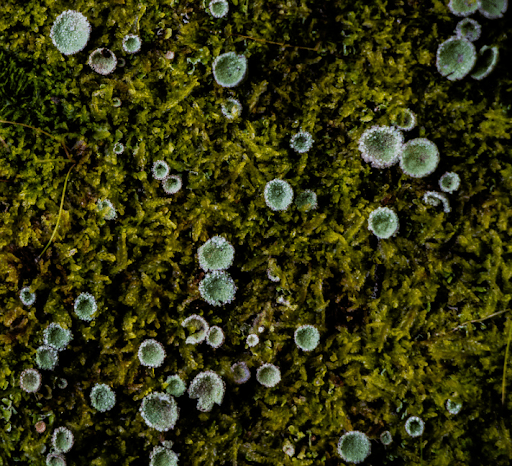
When you first look at spores under a microscope, it’s easy to expect simple dots or uniform structures. What surprises many people is how wildly spores and mycelial networks can vary in color, shape, texture, and organization. These variations are not just eye candy. They tell a deeper story about fungal biology and strain characteristics, and they become even more fascinating when you explore microscopy liquid cultures.
Microscopy liquid cultures provide living mycelium and active growth structures suspended in nutrient solution, offering a dynamic view of fungal behavior that static spore slides can’t match. Today, we’re spotlighting three standout strains that both beginners and seasoned micrographers love for their distinctive features: Pink Buffalo Liquid Culture, Tidal Wave Liquid Culture, and Orissa India Liquid Culture. Each brings rich visual variation to your slides and makes it easier to understand how spores transition into networks of mycelium. Explore our microscopy liquid culture collection today and uncover the colorful variations hidden in every slide.
See Why Every Slide Tells a Unique Story
Fungal spores and mycelium vary not just because of chance but because of genetics and growth context. Different strains express unique cellular traits that show up as varied hues, shapes, and textures. These details tell you something real about the biology of the organism, not just what looks interesting on the slide.
Microscopy liquid cultures eliminate the dormant stage you might see in static spore samples, meaning you get to observe active growth patterns right away. This makes them ideal for exploring structural variation with confidence and clarity. Comparing strains helps you build a mental library of visual traits and deepens your understanding of microscopic fungal behavior.
Meet the Stars: Unique Microscopy Liquid Cultures Worth Exploring
Let’s take a closer look at some of the most visually engaging microscopy liquid cultures you can study this year.
Pink Buffalo Liquid Culture

Pink Buffalo draws attention immediately because it often displays subtle tonal variation that makes the internal structure easier to see. Under moderate magnification, you’ll notice areas that range from light beige to creamy pink, giving the culture a gentle contrast that highlights hyphal intersections.
What you’ll notice under the lens:
- Soft color gradients that emphasize hyphal boundaries
- Loose, yet interconnected networks that show early structural development
- Fine filament details that invite careful focus adjustment
Pink Buffalo is a great strain to start with if you want to train your eye. Its lighter regions lend themselves well to contrast adjustments and help you see how hyphae interlink over time. The variation in tone can also give you insight into how densely packed regions differ from more open networks. This richness of detail makes it a rewarding culture for both learning and comparison.
Tidal Wave Liquid Culture
If you enjoy dramatic patterns and visually dense networks, Tidal Wave delivers in spades. This strain often presents very structured, wave‑like arrangements of mycelium that appear almost sculptural under the microscope. You might see:
- Thick, rhythmic bands of hyphae forming sweeping structures
- Subtle darkening in denser clusters that creates visual depth
- Layered formations that invite extended observation
What sets Tidal Wave apart is the way the mycelium seems to organize itself with purposeful variation. Instead of random filaments, you get coordinated, visually striking arrangements that reflect how this strain grows in a nutrient medium. Tidal Wave is perfect for researchers who want slides that are both educational and visually engaging. Studying this culture helps you refine your focus technique as you work to capture fine detail within larger patterns.
Orissa India Liquid Culture

Orissa India brings a different kind of visual experience to the microscope. Its hyphal structures can show textural variance that is especially interesting when combined with lighting adjustments. You may observe:
- Delicate, hair‑like projections that branch in unpredictable ways
- Clusters of intricate intersections that highlight density changes
- Fine granularity in texture that makes the mycelium look like woven fabric
Under the microscope, Orissa India can appear almost three‑dimensional as light and shadow play across the network. This makes it an excellent strain for practicing advanced observation techniques and learning how texture can influence your interpretation of growth structure. The intricate overlapping filaments make this culture a favorite for detailed sketching, comparison, and microphotography. Browse our strains now to see how unique colors, textures, and patterns can enhance your observations.
Learn Why Color, Shape, and Texture Differ
When you see unusual colors, textures, or shapes, it’s not random. Here are some of the reasons these variations occur:
- Genetic background of the strain affects how hyphae grow and how pigments are expressed.
- Mycelial density creates areas of light and shadow, which can look like color variation.
- Growth patterns differ by strain, with some producing tightly packed networks and others forming loose, expansive webs.
- Nutrient interaction in the liquid culture can shift refractive qualities that show up as subtle tones.
Understanding these underlying factors helps you interpret what you see beyond aesthetics. It also makes your microscopy work more grounded and scientific.
Maximize Clarity and Detail in Every Slide
To make the most of your observation sessions:
- Use clean, dust‑free slides to avoid confusing artifacts with structural features.
- Start with low magnification to identify large network patterns, then zoom in for fine details.
- Gently adjust lighting to highlight texture and color contrast.
- Document your observations with photos or notes for future comparison.
- Compare strains side by side to see how patterns change with genetic traits.
Staying methodical helps you identify real variation and avoid misinterpreting artifacts or preparation errors as biological detail. Dive into our premium microscopy cultures now and experience structural diversity like never before.
Ensure Clear, Reliable Observation Every Time
The clarity and consistency of your culture matter. Low‑quality or contaminated samples can introduce confusing artifacts that make interpretation difficult. SporesMD microscopy liquid cultures are prepared under sterile, controlled conditions, so you see true biological variation, not noise or contamination. This makes your slide work more meaningful and your observations more reliable.
Whether you are examining Pink Buffalo, Tidal Wave, Orissa India, or any other high‑quality culture, consistent preparation ensures you’re comparing real structure, not preparation blemishes. This reliability helps you learn faster and see deeper.
Bring Your Observations Together With Clarity
Microscopy liquid cultures are a gateway to the wonderfully wild variations in spores and mycelial networks. When you look at strains like Pink Buffalo Liquid Culture, Tidal Wave Liquid Culture, and Orissa India Liquid Culture, you don’t just see dots and lines. You see rhythmic structures, textural nuances, and subtle shades that reflect real biological differences. These visual traits make your microscopy sessions not just more informative but more exciting and visually rewarding.
If you’re ready to explore these fascinating variations in vivid detail, browse our microscopy liquid culture collection at SporesMD.