Key Takeaways
- Burma is a Southeast Asian Psilocybe cubensis landrace strain collected near Yangon, Myanmar in the 1990s
- Spores are subellipsoid, thick-walled, with dark purple-brown prints—ideal for phase-contrast microscopy at 400x–1000x
- Contains no controlled substances pre-germination; legal for microscopy research in 47 U.S. states
- SporesMD Burma microscopy spore syringes are prepared in HEPA-filtered cleanrooms with phase-contrast verification and agar sterility checks
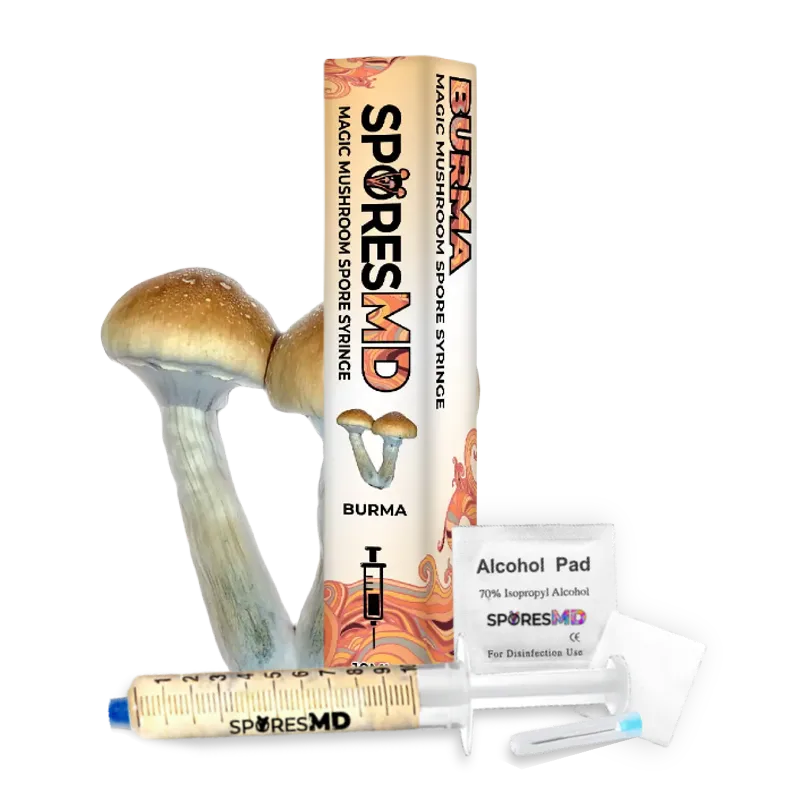
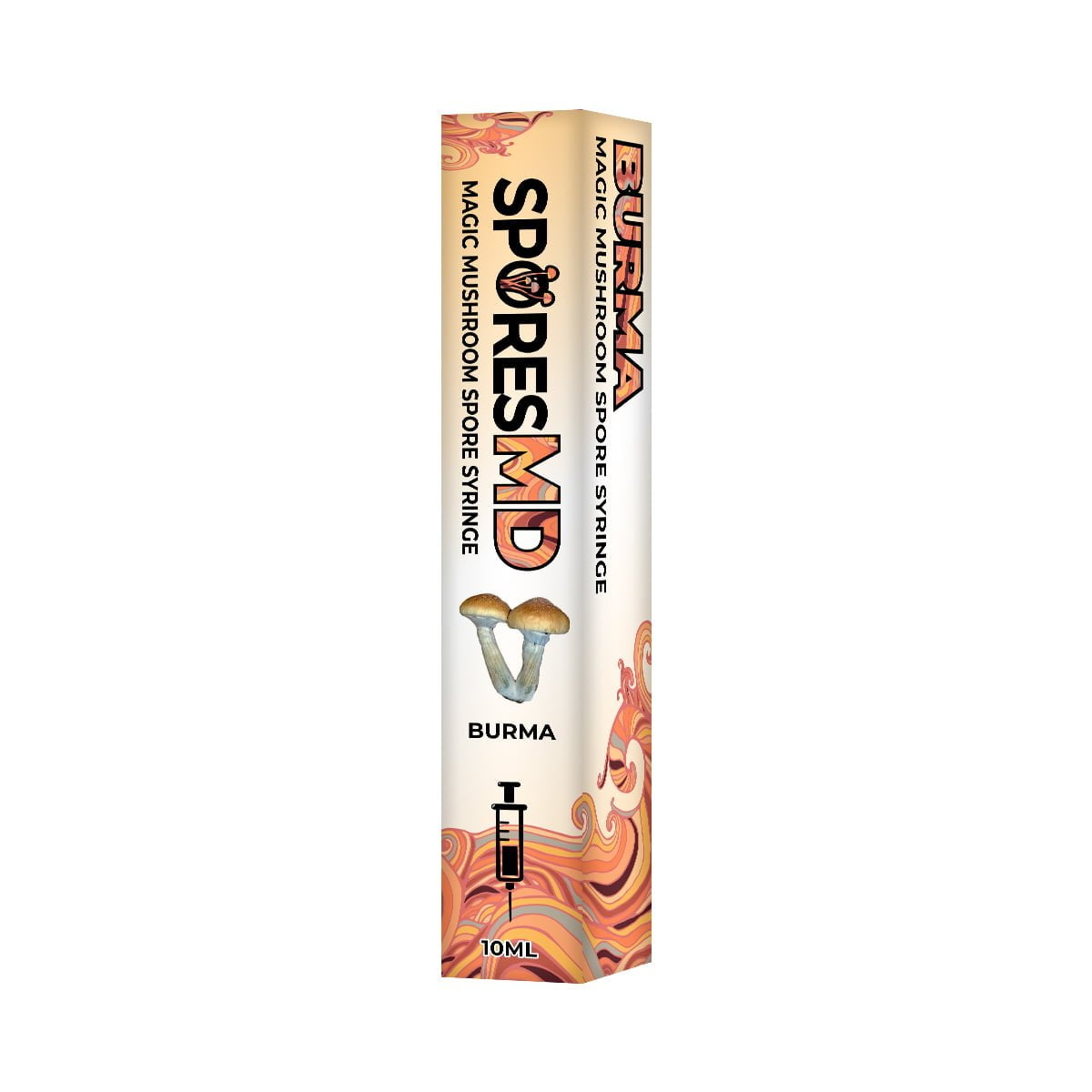
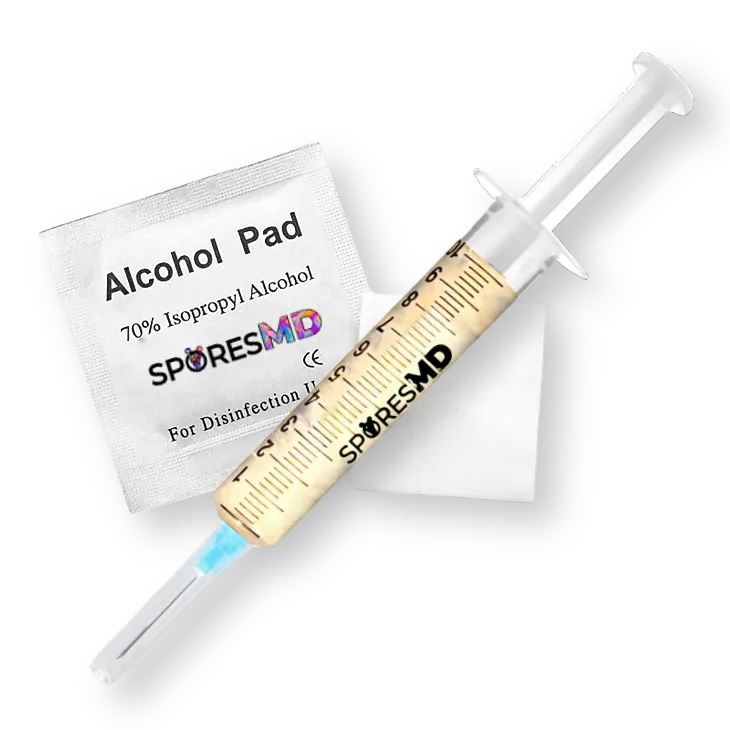
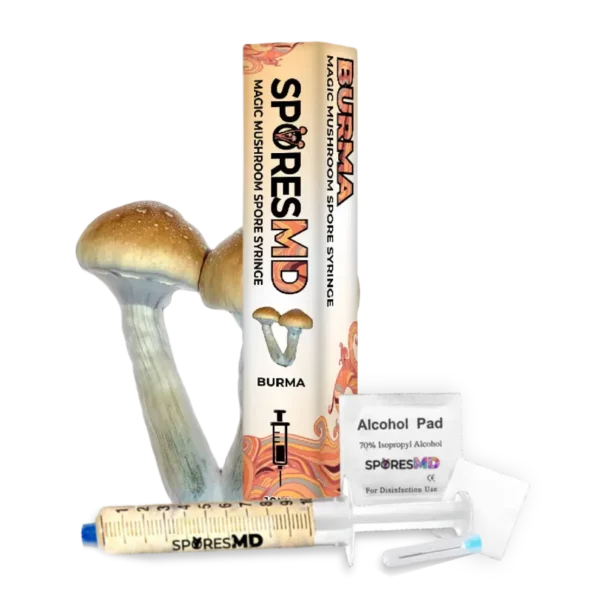
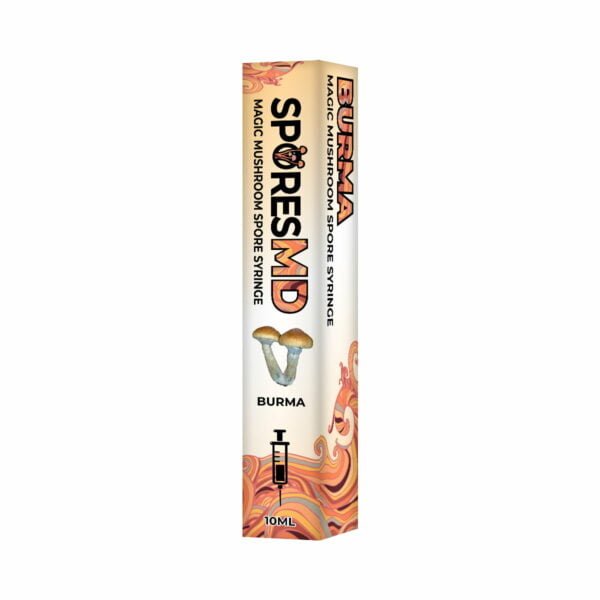
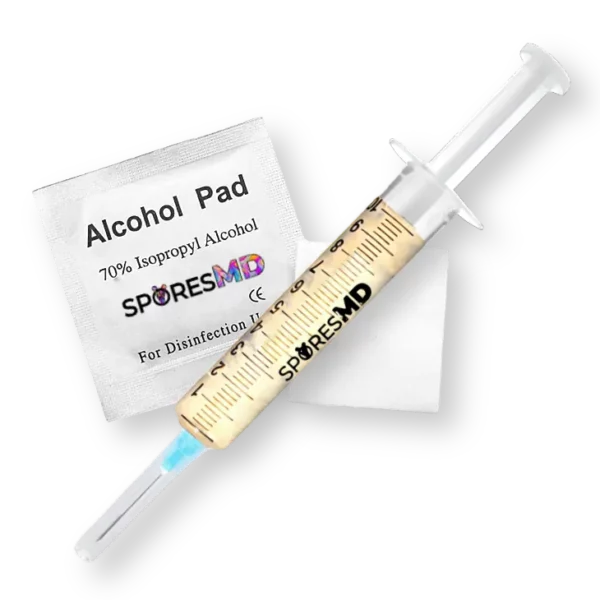
Burma Mushroom Liquid Culture (10ml)
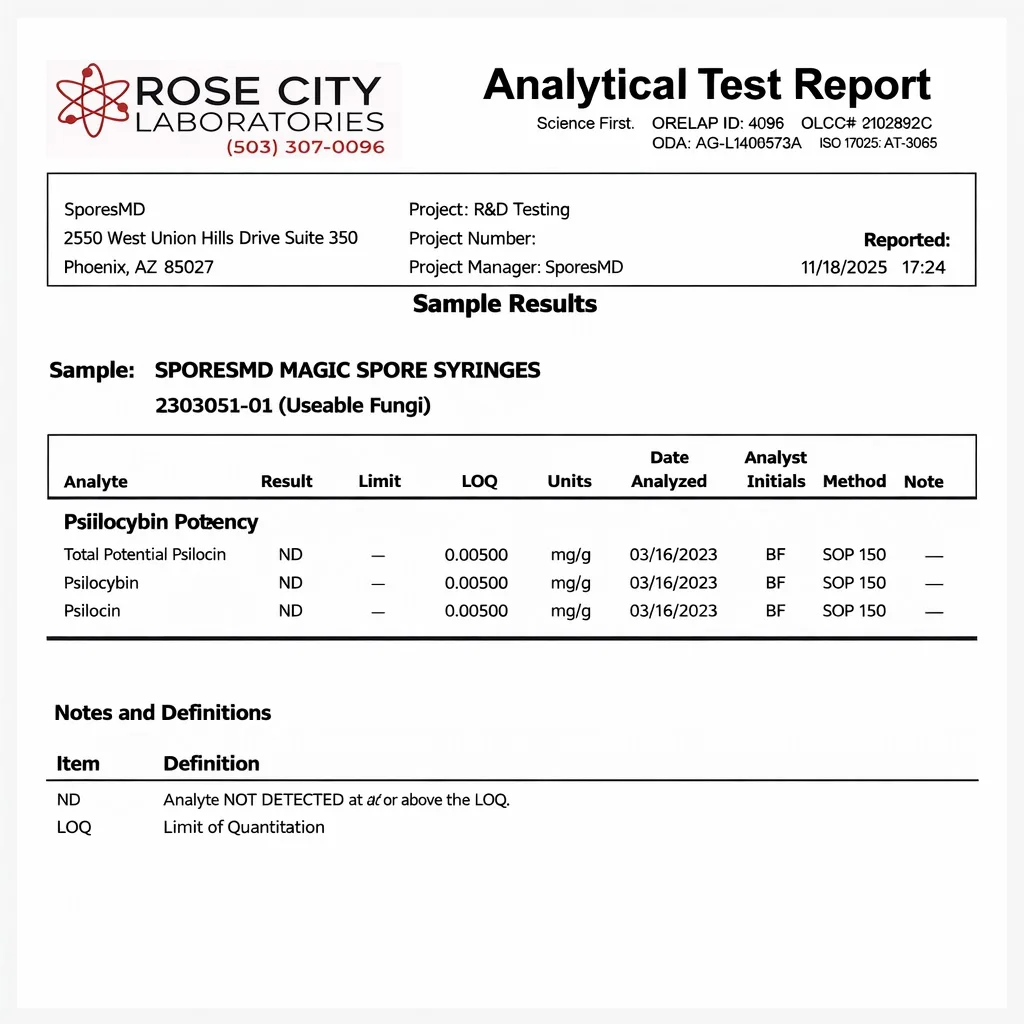
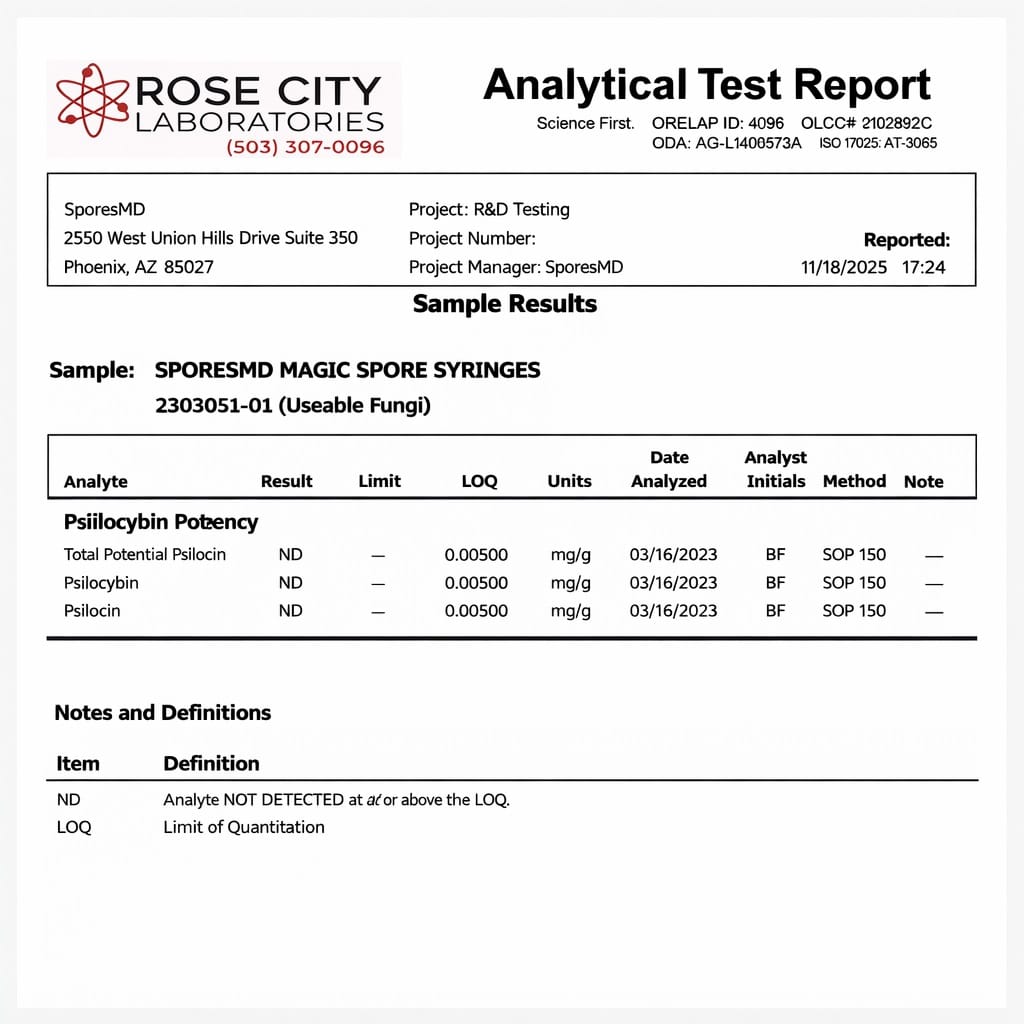
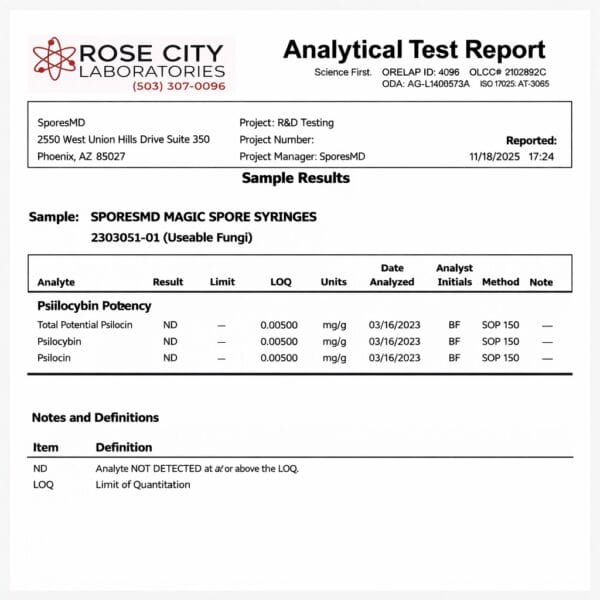
Burma Microscopy Liquid Cultures represent an important reference specimen in mycological research, offering researchers the opportunity to study a strain recognized for its distinctive genetics and microscopic characteristics. Each 10mL research syringe reflects a commitment to precision preparation, laboratory-quality standards, and consistency for detailed scientific analysis. View Lab Report
What Are Burma Mushrooms? (Burmese Psilocybe Cubensis Spores)
Burma is a landrace Psilocybe cubensis variety from Myanmar, valued for dense spore deposition, dark purple-brown spore prints for microscopy, and textbook cubensis morphology under the microscope. Mycologist John W. Allen collected this strain from rice paddies near Yangon in the 1990s.
Species & Strain Origin
Burma originated as a coprophilic cubensis growing on herbivore dung and warm pastures in tropical Southeast Asia—specifically near Yangon and the Thai–Burma border. The original Burma collection is attributed to John W. Allen, who encountered the specimen growing on buffalo dung in rice paddies during the 1990s. Unlike hybrid or exotic crosses, Burma maintains classic cubensis genetic architecture—comparable to the golden teacher mushroom strain—making it a reliable reference specimen for strain-comparison work and baseline morphology profiling.
| Feature | Detail |
| Species | Psilocybe cubensis |
| Origin | Myanmar (Burma), near Yangon |
| Ecological Niche | Herbivore dung, rice paddies |
| Collector | John W. Allen (1990s) |
| Classification | Landrace (non-hybrid) |
Key Identification Features
Under phase-contrast or brightfield at 400x–1000x, Burma mushroom spores display deep purplish pigmentation, clean ellipsoid outlines, and above-average wall thickness—features that enhance image contrast for architectural and surface-texture studies.
- Spore print color: Dark purple-brown to near-black
- Spore shape: Subellipsoid, smooth, thick-walled
- Germ pore: Distinct and readily observable
- Dimensions: ~11.5–17 µm × 8–11 µm
- Basidia: Predominantly four-spored
Burma Mushroom Spore Characteristics & Morphology
Burma’s consistent morphology and heavy deposition set it apart from other cubensis strains in a research context—making it a useful reference for anyone learning what are mushroom spores and their microscopic properties. Spores contain no controlled substances pre-germination—aligning with microscopy-only, research-compliant use.
Spore Color & Structure
Individual spores appear pale amber to purplish when isolated on a slide, but in mass produce a dark purple-brown to near-black print typical of Psilocybe cubensis. Size ranges fall approximately 11.5–17 µm in length by 8–11 µm in width, with slightly above-average wall thickness and highly uniform pigmentation across samples. These dimensions are broadly consistent with other tropical cubensis landraces like the Malabar mushroom strain, though Burma’s wall thickness tends to produce sharper contrast under phase-contrast illumination. Specimens can also be collected via microscopy swabs for alternative preparation methods.
In practice, this means:
- High contrast under phase-contrast — thick walls produce clean, well-defined outlines at 400x+
- Uniform sample density — heavy deposition means fewer empty fields per slide
- Reliable germ pore visibility — distinct apical pore simplifies orientation and structural mapping
- Consistent batch-to-batch performance — ideal for longitudinal research workflows
Cap, Stem & Gill Description
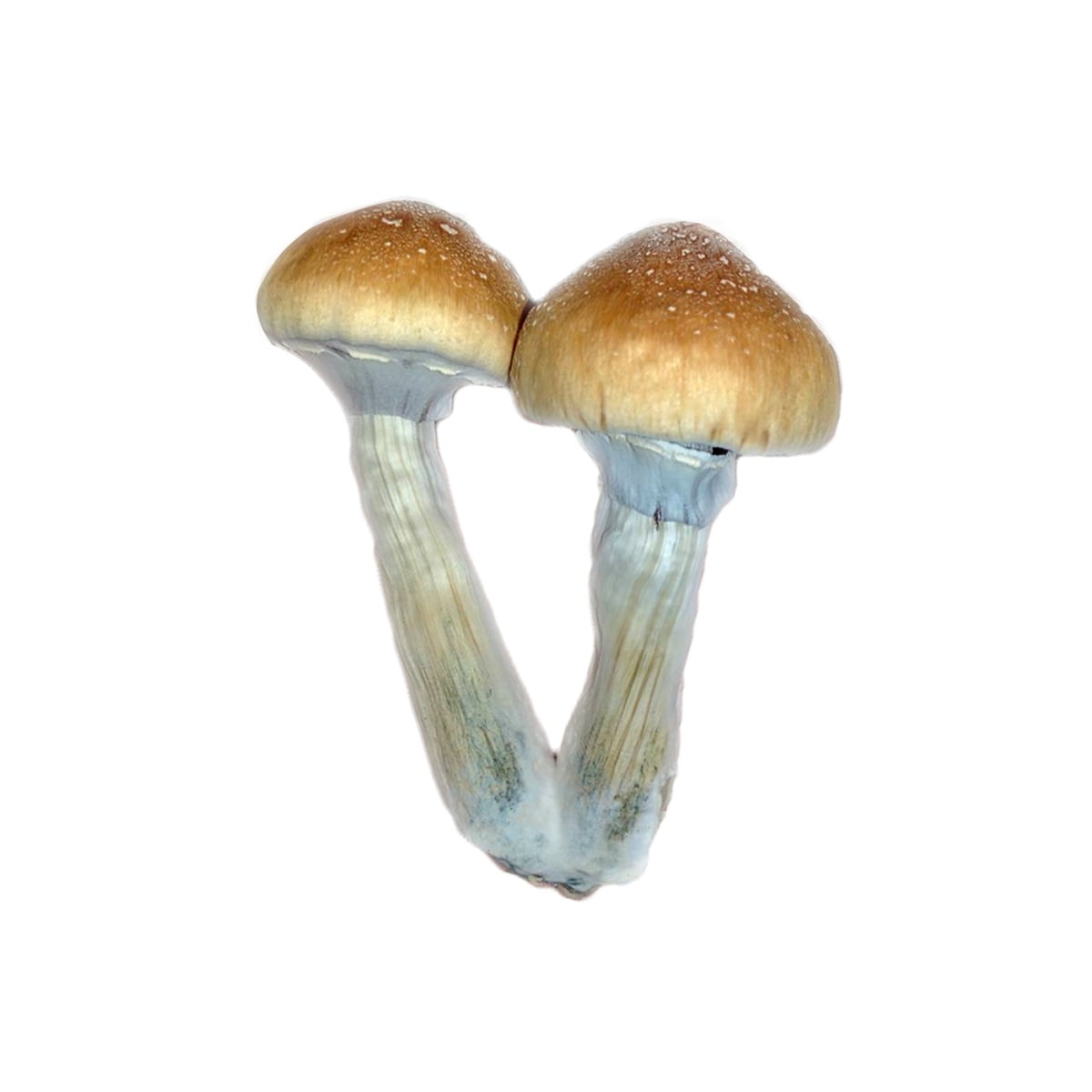
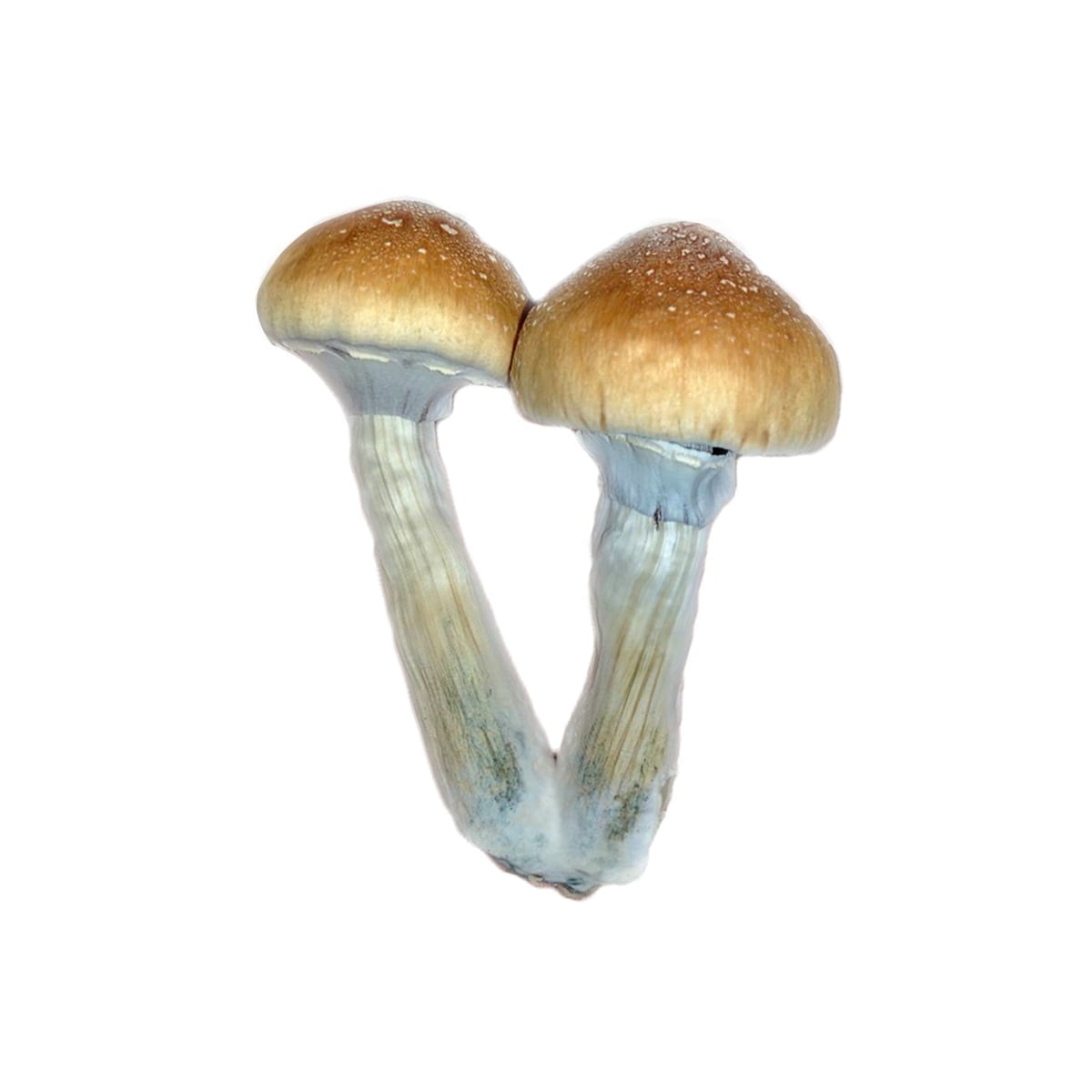
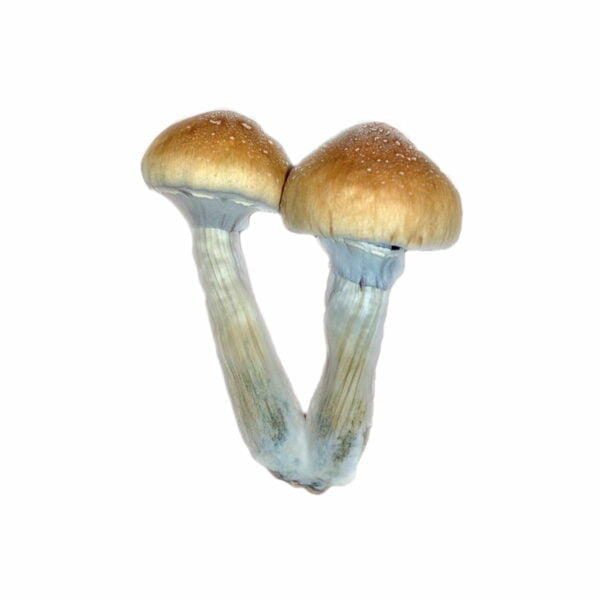
Burma expresses classic cubensis fruiting body architecture—distinct from the compact morphology of the penis envy mushroom—with medium to large convex caps that become broadly convex to plane with maturity, supported by cylindrical stems and densely arranged gills.
| Macroscopic Feature | Burma Expression |
| Cap Shape | Convex → broadly convex to plane at maturity |
| Cap Color | Caramel to golden-brown |
| Stem | Cylindrical, white, moderate thickness |
| Gill Arrangement | Densely packed, adnate to adnexed |
| Spore Print Color | Dark purple-brown to near-black |
| Spore Production Volume | Heavy — above-average for cubensis |
Cultivation Profile: Why Burma Shrooms Are Beginner-Friendly
Burma offers researchers a clear window into mycelial network development. Its vigorous growth and resilience produce consistent, trackable hyphal patterns—ideal for microscopy-focused mycelial studies. For those evaluating spore syringe vs liquid culture formats, Burma performs well in both.
Fast Colonization & Vigorous Growth
Burma mycelium is documented for rapid, dense colonization characterized by rhizomorphic strand formation—observable under low magnification within days of inoculation.
| Feature | Detail |
| Growth Pattern | Dense, rhizomorphic |
| Format | 10 mL sterile liquid culture syringe |
| Preparation | HEPA-filtered cleanroom |
| Research Use | Hyphal tracking, network mapping |
SporesMD’s burma liquid culture provides concentrated early-stage mycelium, reducing observational lag compared to starting from spores. Browse our full range of liquid cultures for microscopy for additional specimen options.
Substrate Compatibility & Environmental Preferences
Burma follows standard Psilocybe cubensis environmental parameters:
- Colonization conditions: Warm, stable, high-humidity, low-light (mid-70s °F)
- Observation window: Dense mycelial coverage typically documented within 2–3 weeks
- Lab compatibility: Overlaps with conditions already maintained in cubensis microscopy workflows
Researchers expanding their specimen libraries—whether comparing against the b+ mushroom strain or other cubensis varieties—don’t need to retool environmental controls for Burma mycelial observation. Those interested in Southeast Asian genetics may also explore the thai tanic liquid culture or the koh samui super strain.
Product Specifications & Legal Use
SporesMD’s Burma spore syringe delivers a precision-measured suspension in a sterile 10 mL format—optimized for multi-slide microscopy sessions at 400x–1000x magnification. For guidance on sourcing verified specimens, see our guide on where to buy mushroom spores.
| Feature | Specification |
| Format | 10 mL sterile spore syringe |
| Facility Standard | HEPA-filtered cleanroom |
| QC Protocol | Phase-contrast microscopy + agar plating |
| Recommended Magnification | 400x–1000x |
| Viability | Up to 12 months (refrigerated) |
| Controlled Substances | None detected pre-germination |
Storage: For best results when storing spore syringes properly, refrigerate at 2–8°C (35–46°F), away from direct light. Allow 24–72 hours of room-temperature hydration before cold storage. Never freeze—ice crystals rupture spore cells.
Legality: Ungerminated Psilocybe cubensis spores contain no psilocybin or psilocin. Under current federal law, psilocybin and psilocin—not ungerminated spores themselves—are scheduled under the Controlled Substances Act. Because spores do not contain these compounds, they are widely interpreted as not federally controlled; however, state laws vary and can impose additional restrictions. Burma spore syringes are legal for microscopy research in 47 U.S. states plus Washington D.C. Always consult current federal and state regulations before purchasing.
Three states restrict possession entirely: California, Georgia, and Idaho.
SporesMD also offers mushroom gummies, microdose mushroom gummies, and a wide variety of research products—browse the full product catalog for all available options.
Frequently Asked Questions
What magnification works best for Burma spores?
Start at 400x for orientation, then move to 1000x (oil immersion) for wall structure and germ pore detail. Phase-contrast enhances pigmentation visibility. See our guide on how to use mushroom spores for detailed slide preparation steps.
How long will my Burma spore syringe remain viable?
Up to 12 months under proper refrigerated storage. Some researchers report usable clarity at 18 months, though we guarantee 12. For more details, see our breakdown of spore syringe shelf life.
Are Burma spores legal in my state?
Legal in 47 states and D.C. for microscopy research. Not available to California, Georgia, or Idaho addresses.
Do these spores contain psilocybin?
No. Ungerminated spores contain no scheduled substances. This aligns with the federal scheduling of psilocybin and psilocin as distinct compounds under the CSA.
What’s included with my order?
One 10 mL sterile syringe with precision-measured Burma spore suspension, plus a sterile needle. All orders ship with handling guidance and are backed by our 100% satisfaction guarantee.