




Description
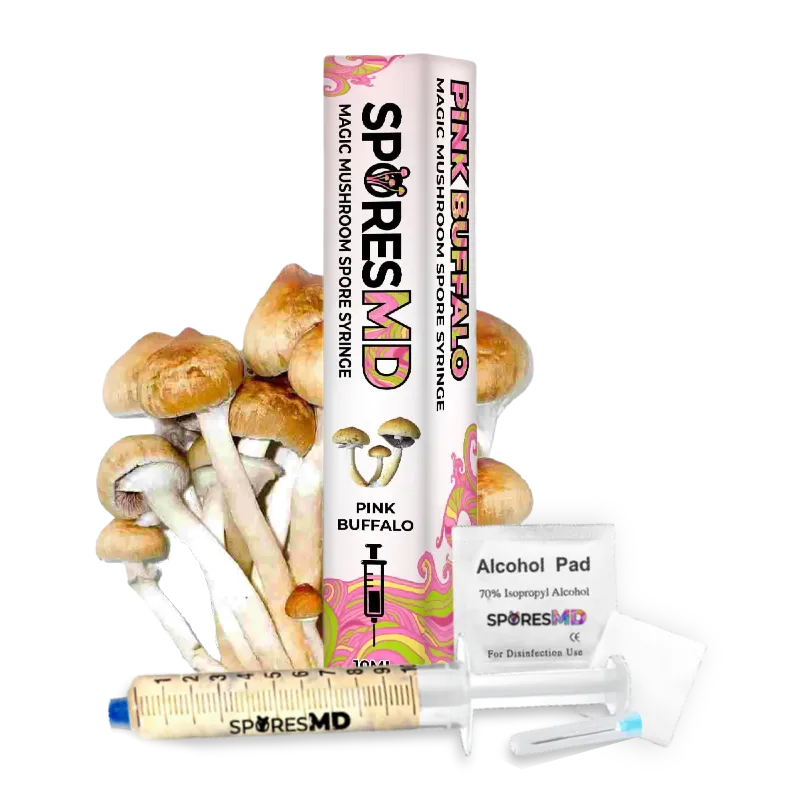
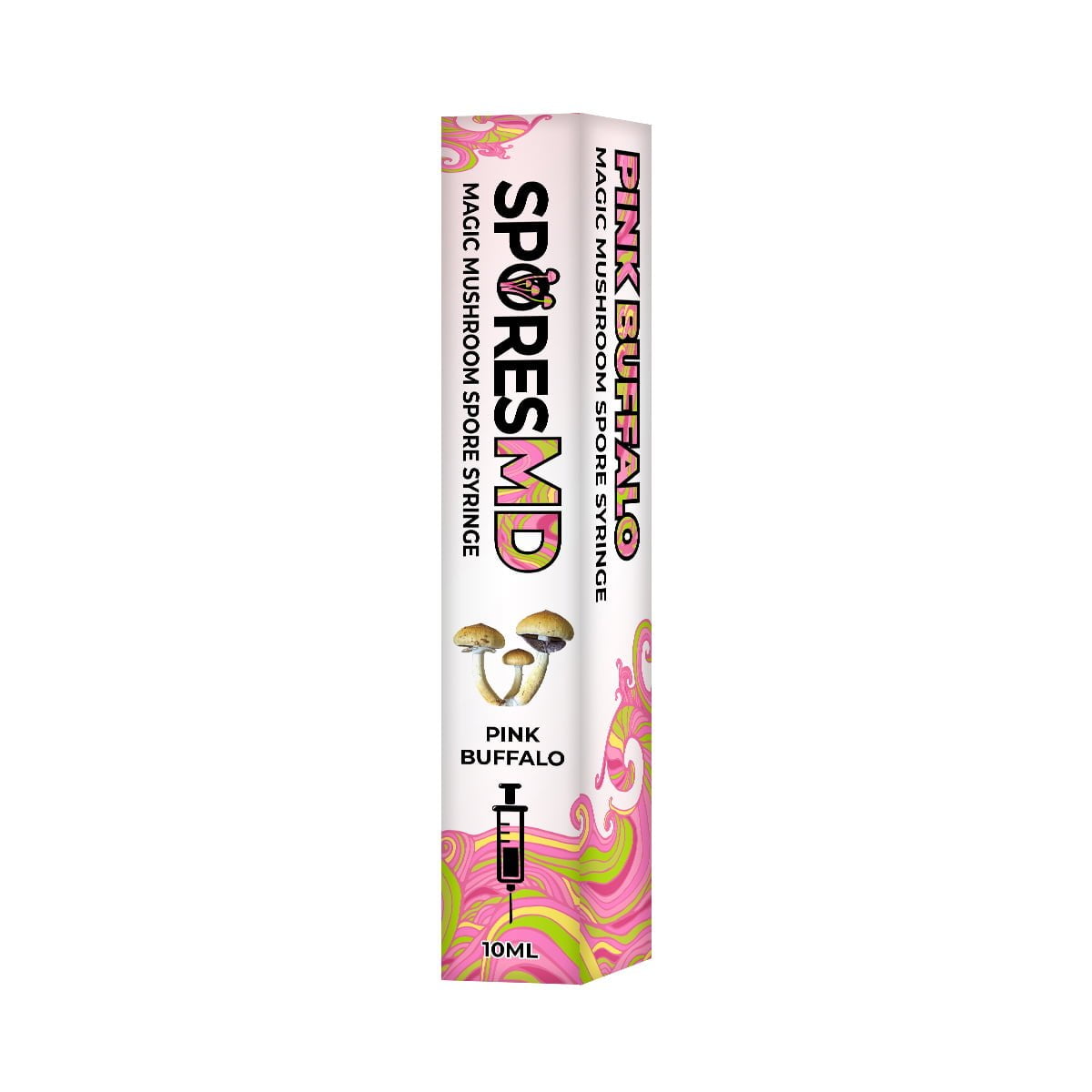
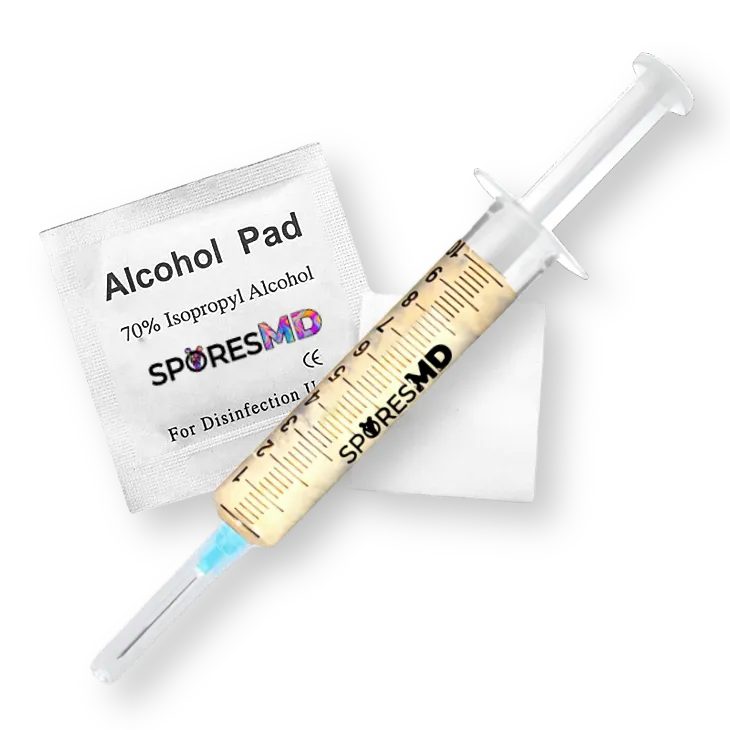
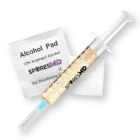
The Pink Buffalo, sometimes referred to as “Hairy Buffalo,” is a distinctive research culture recognized in mycological studies for its unique structural characteristics and compelling origin story. This microscopy liquid culture is distributed strictly for educational and scientific examination.
Origin and Ethnobotanical Context:
Named after its reported discovery near a sacred albino buffalo in Thailand, the Pink Buffalo strain reflects an intersection of natural history and regional cultural symbolism. This association contributes to its ethnobotanical interest, offering researchers insight into how environmental specimens and cultural narratives often develop in parallel within Southeast Asian traditions.
Morphological Distinctiveness:
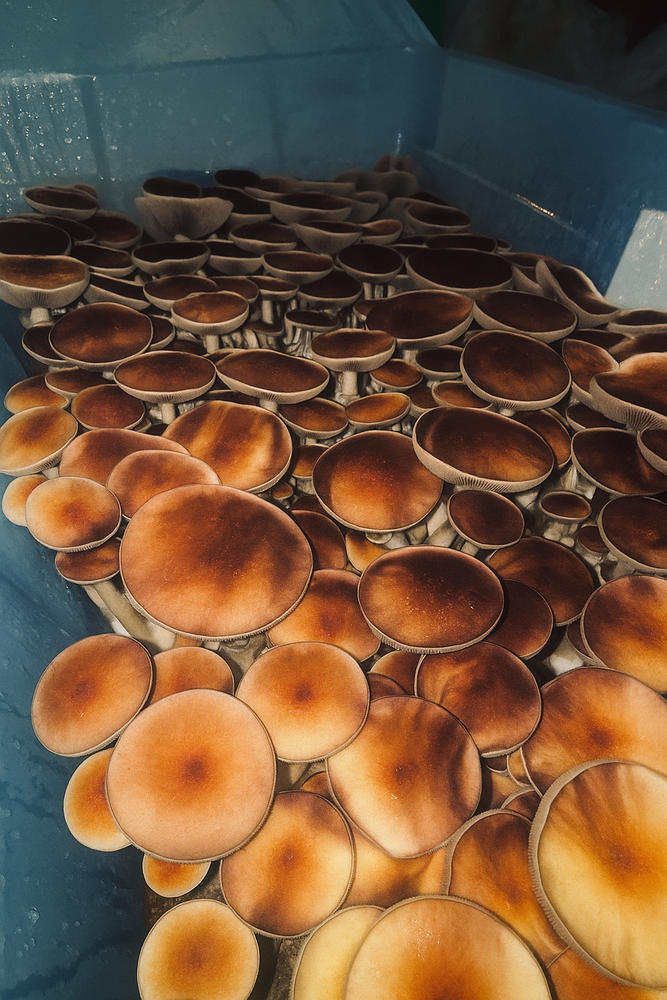
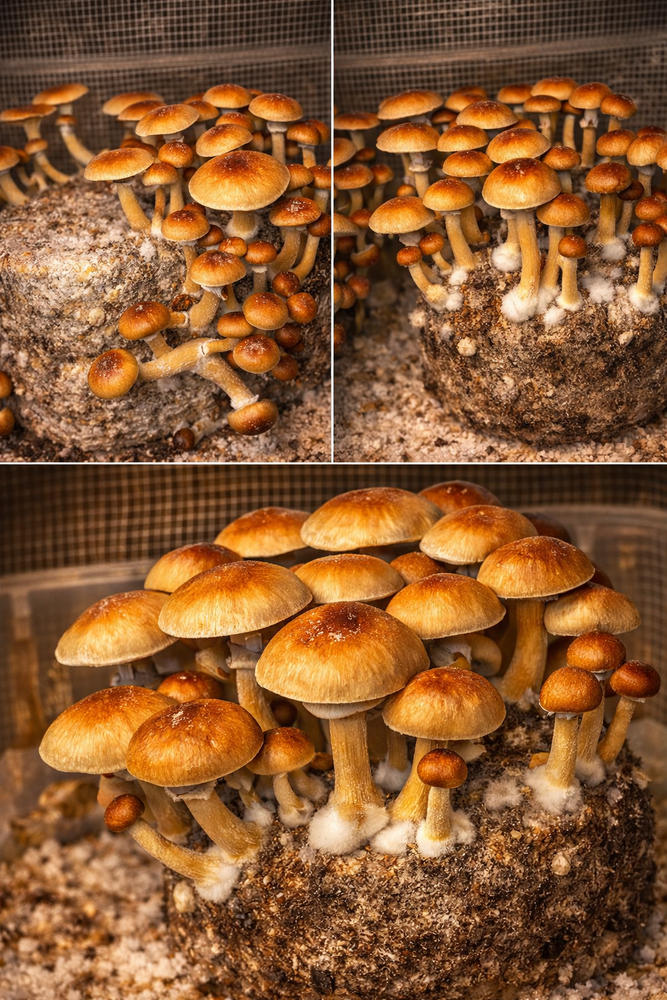
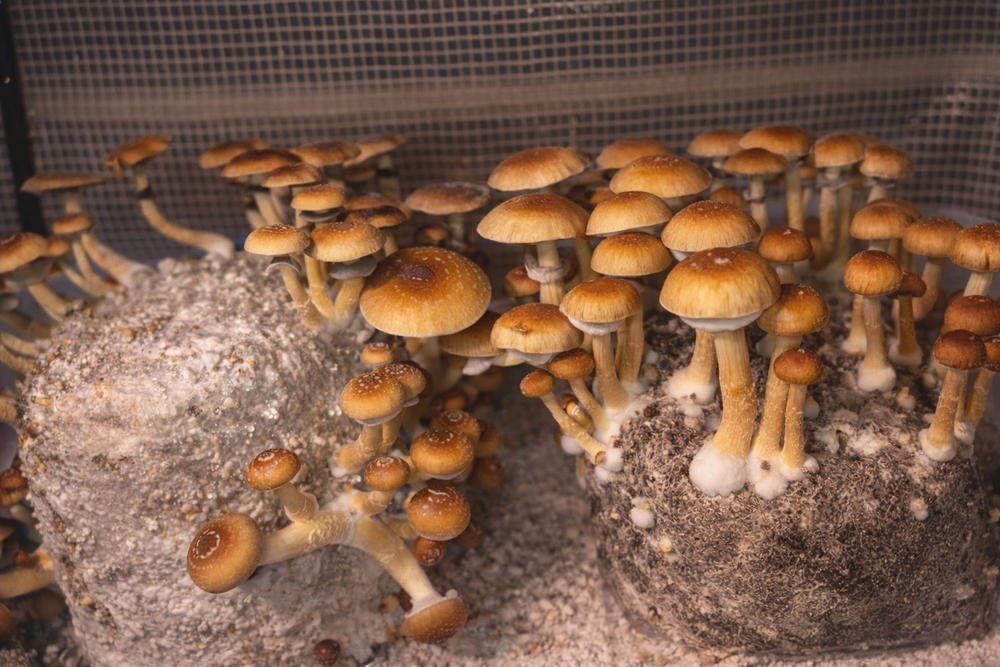
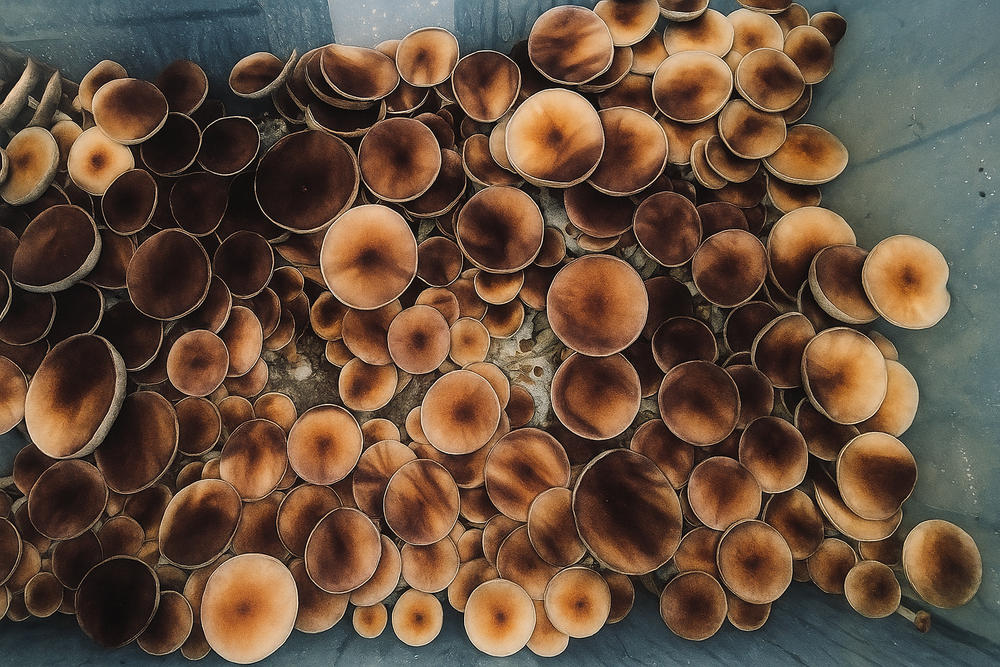
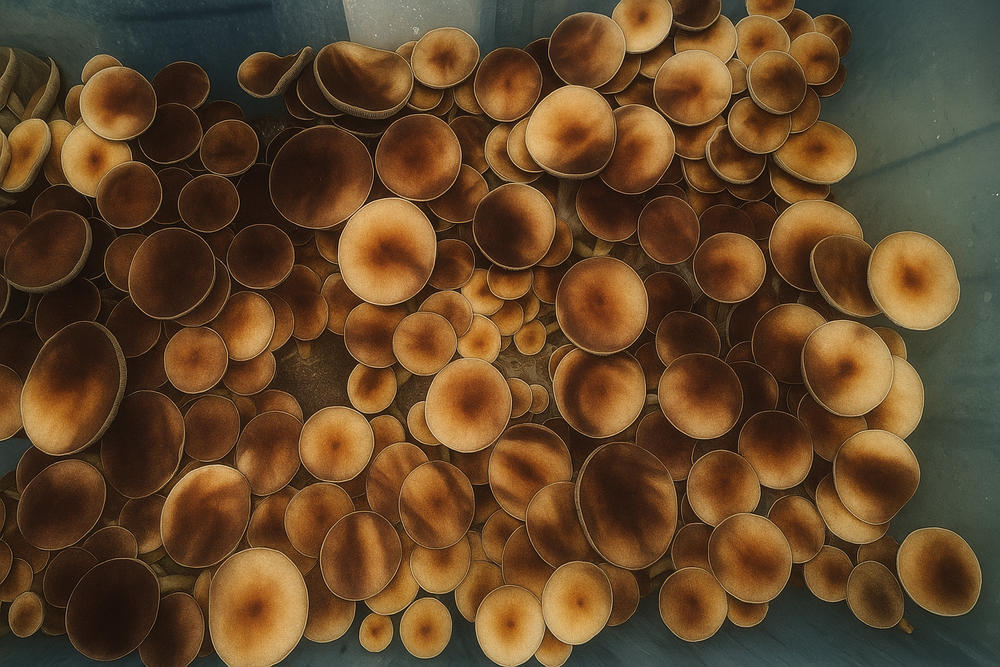
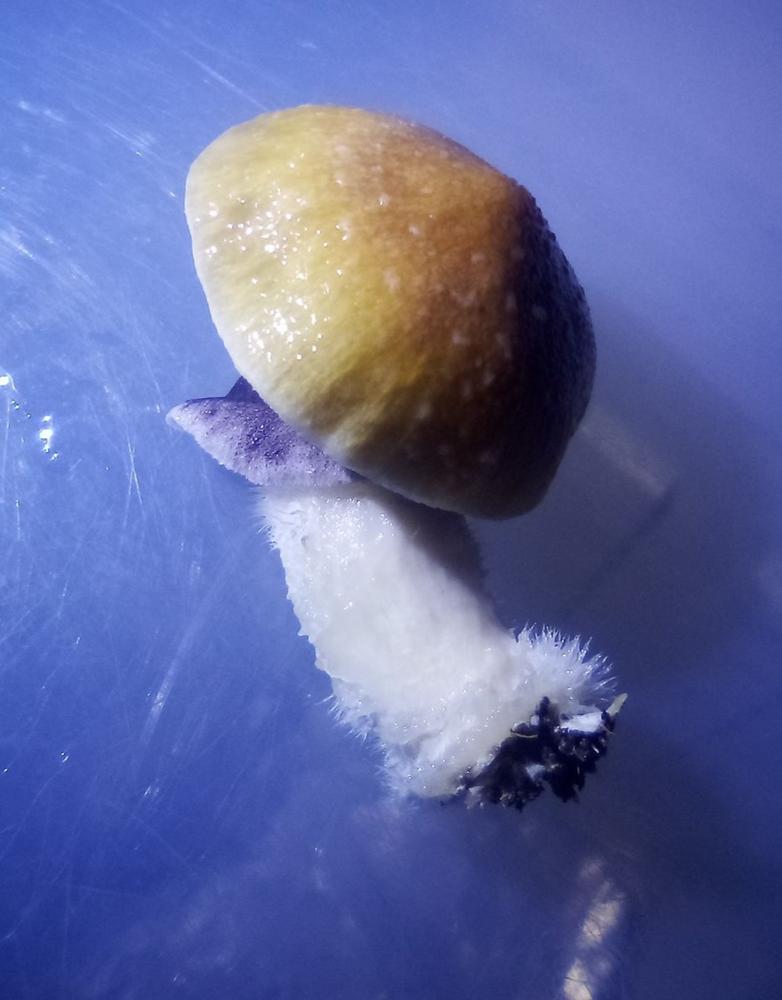
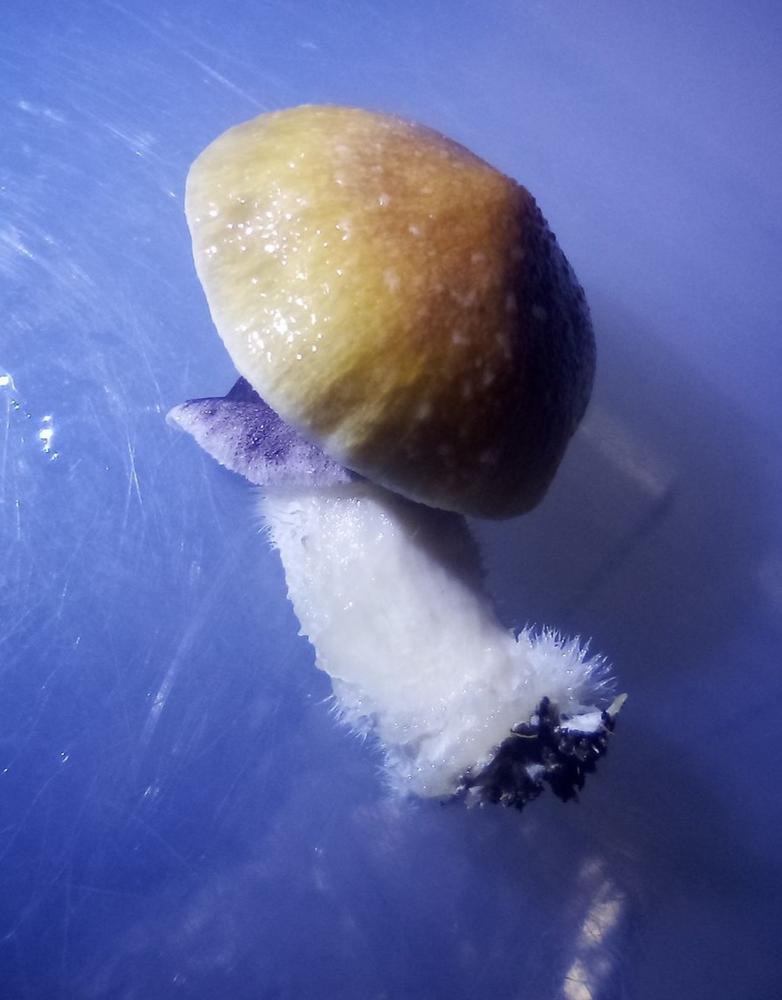
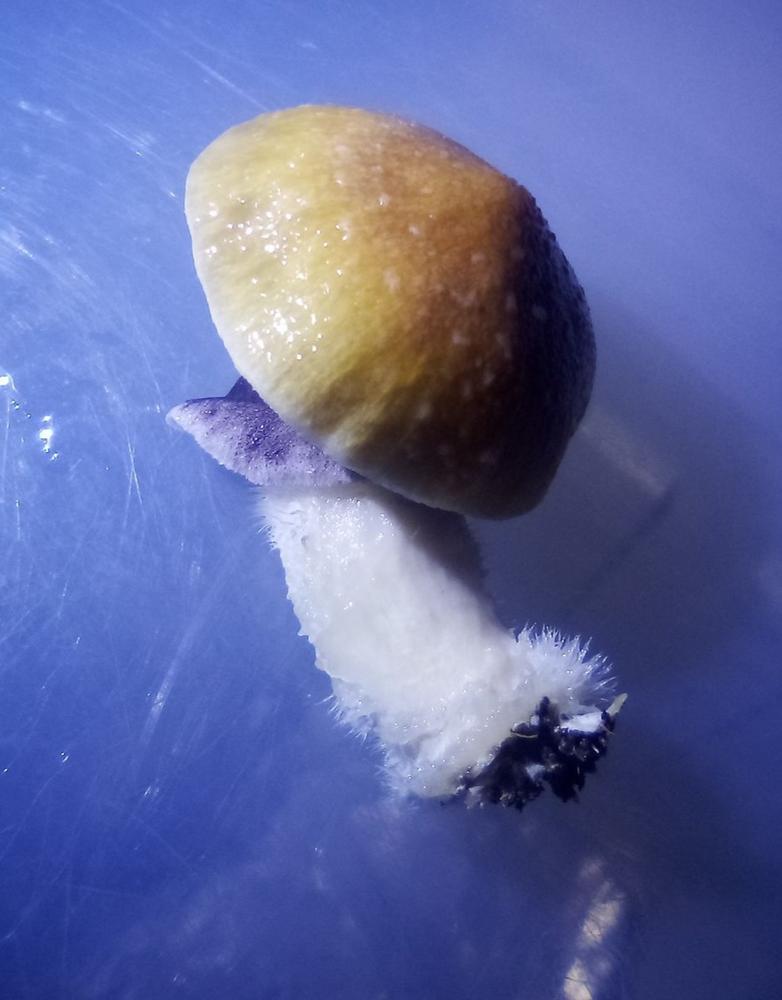
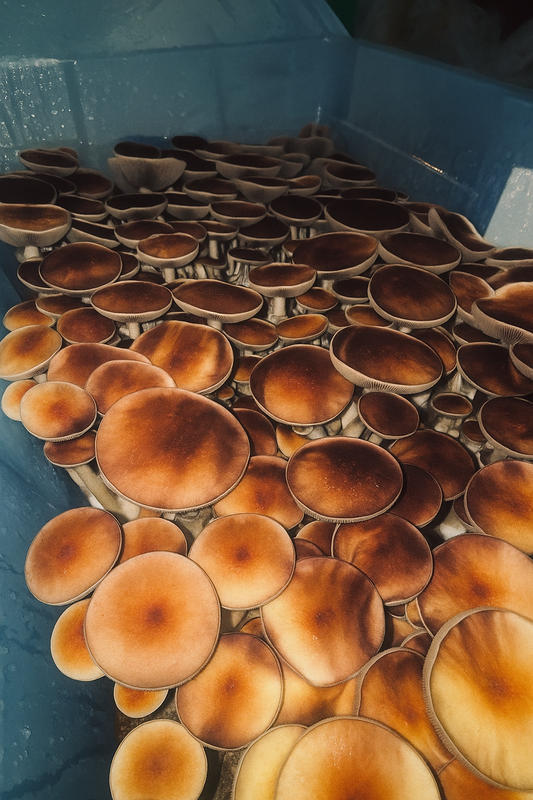
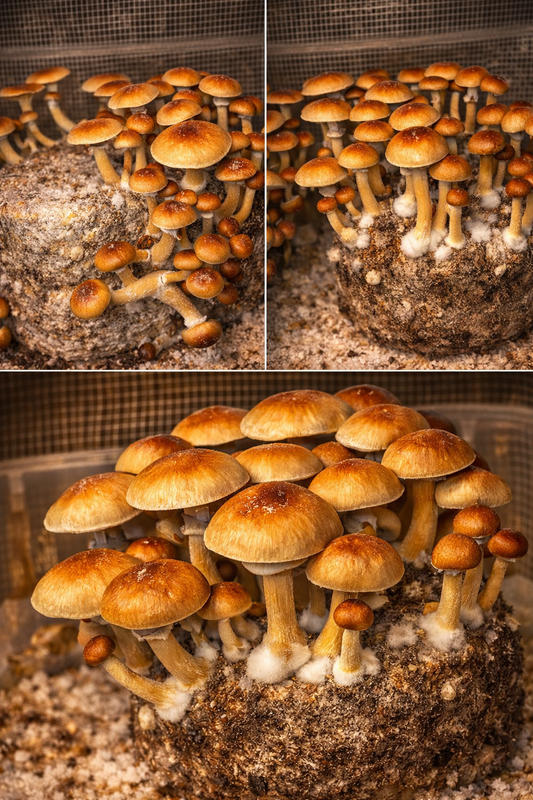
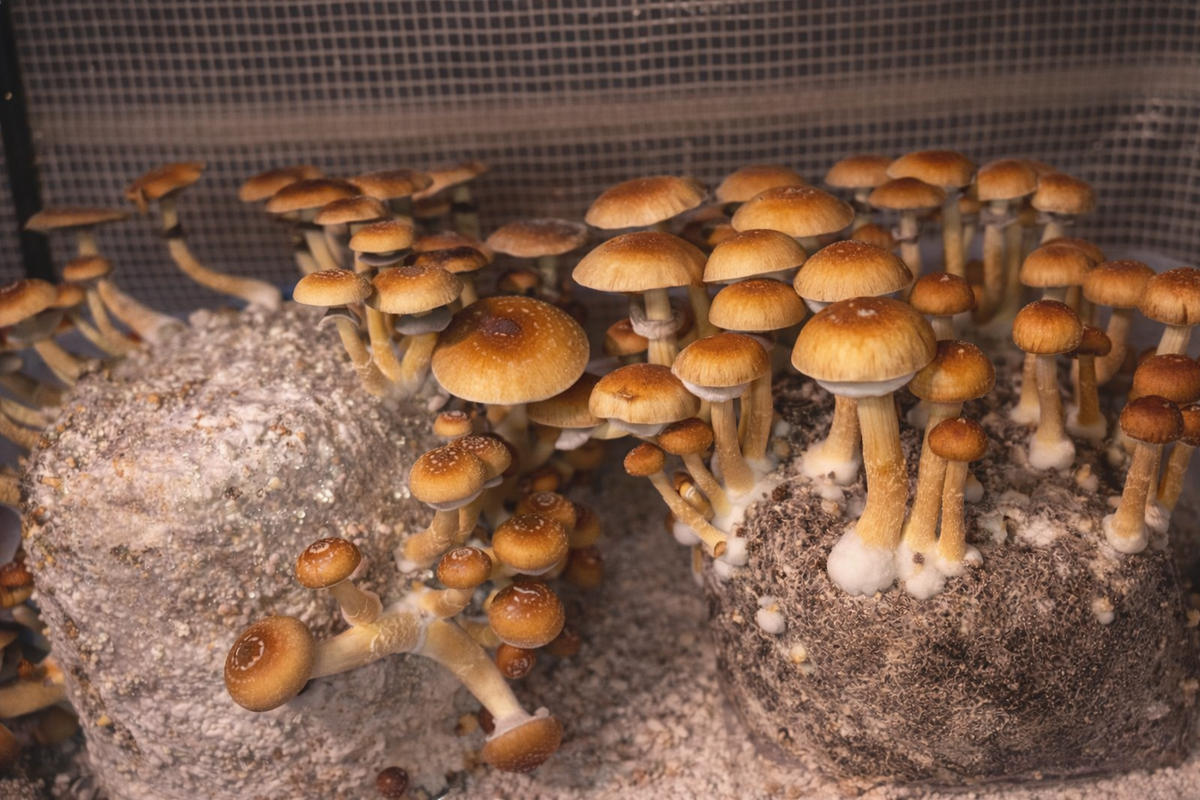
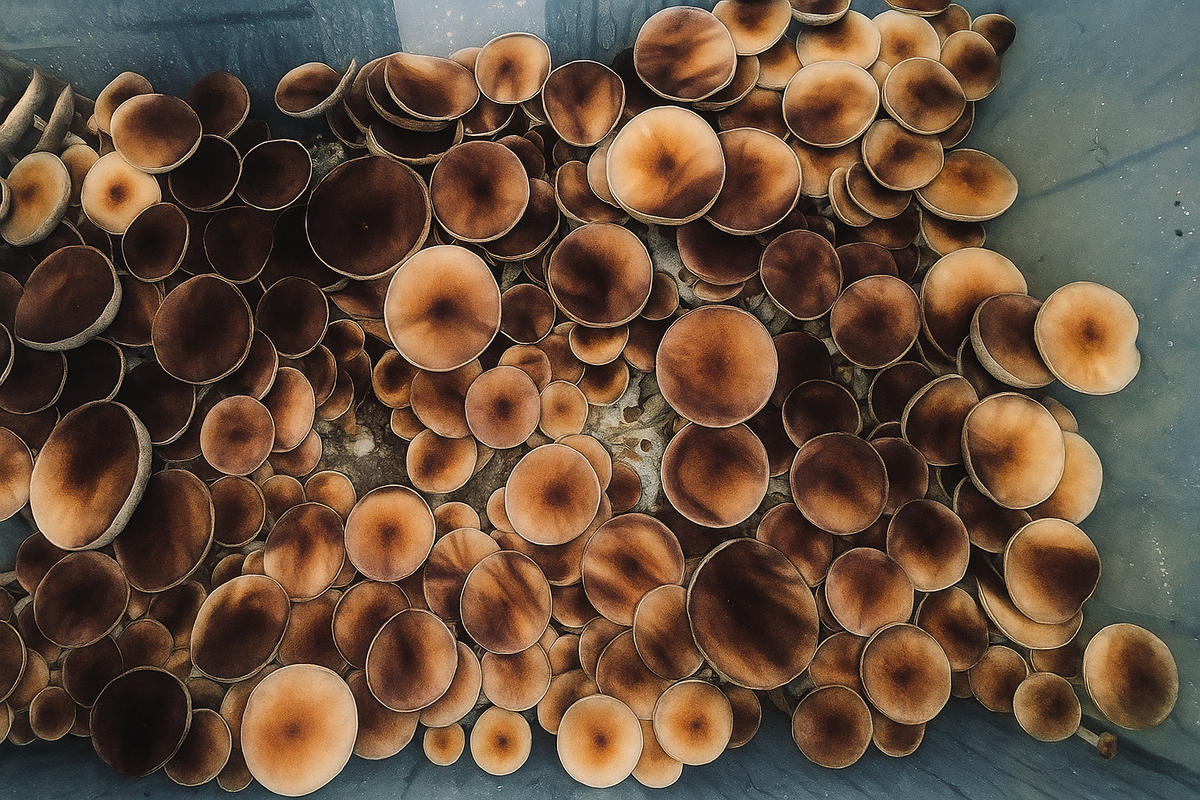
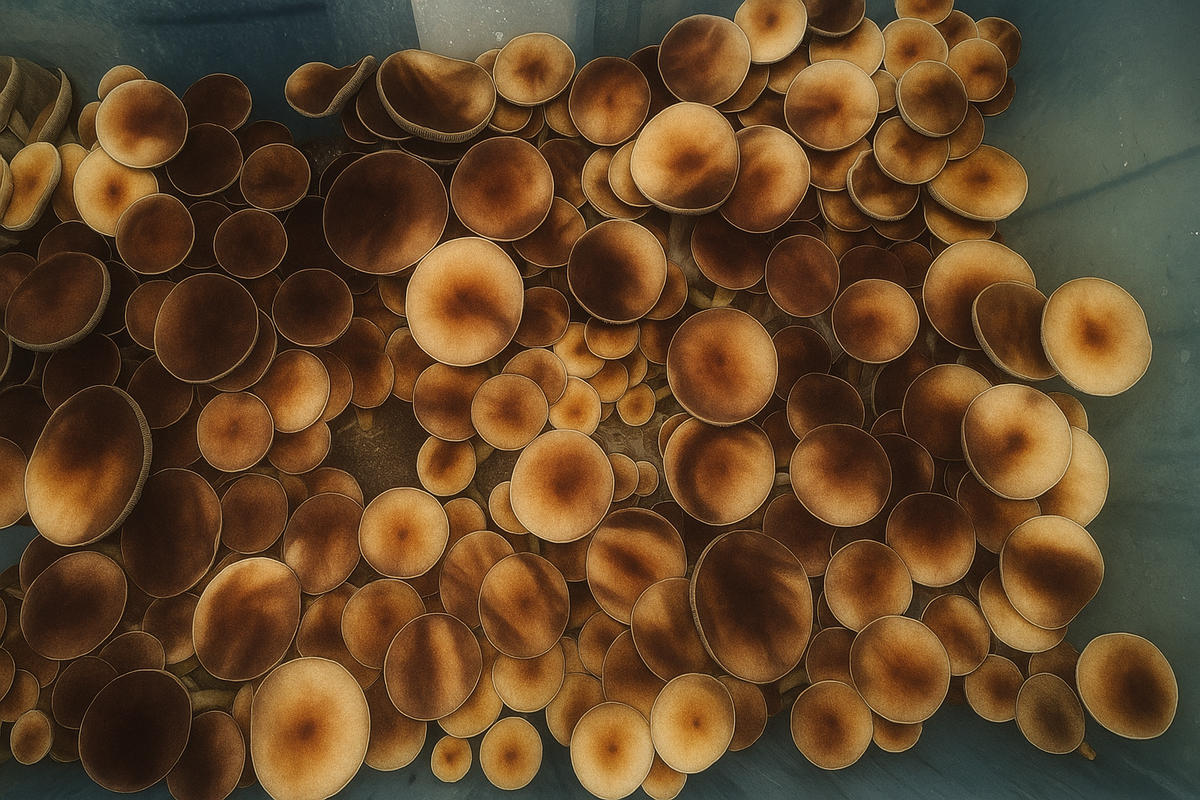
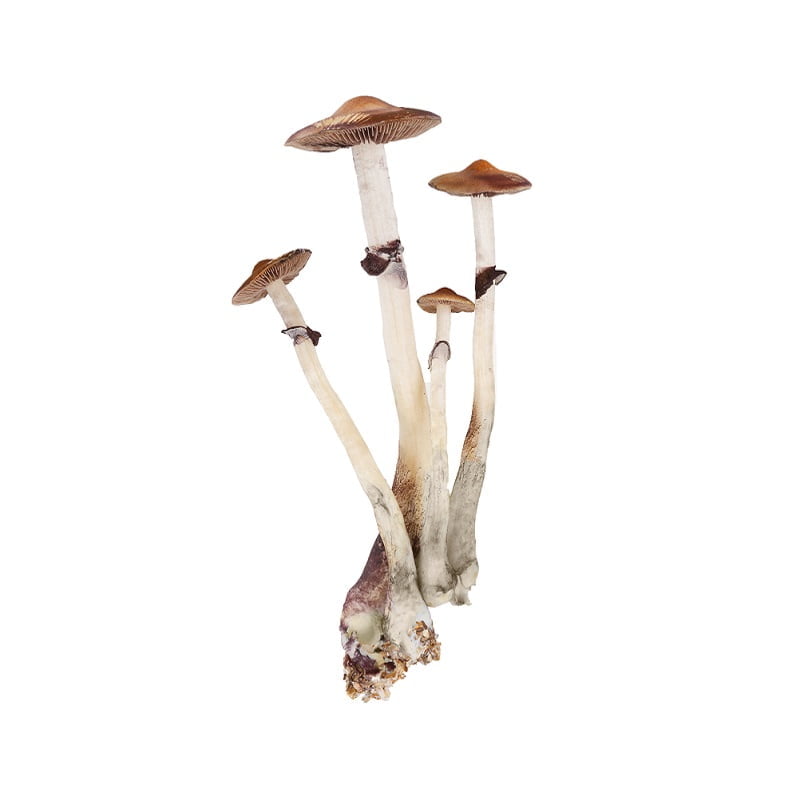
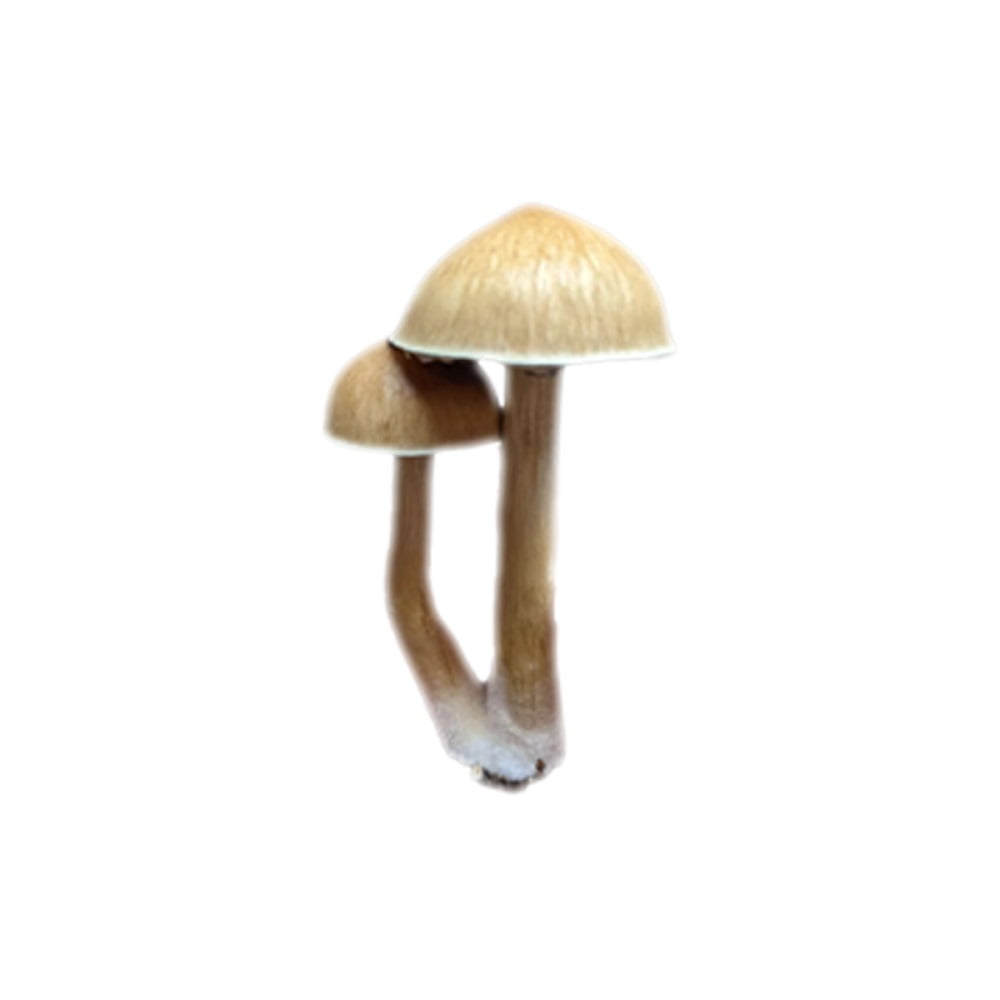
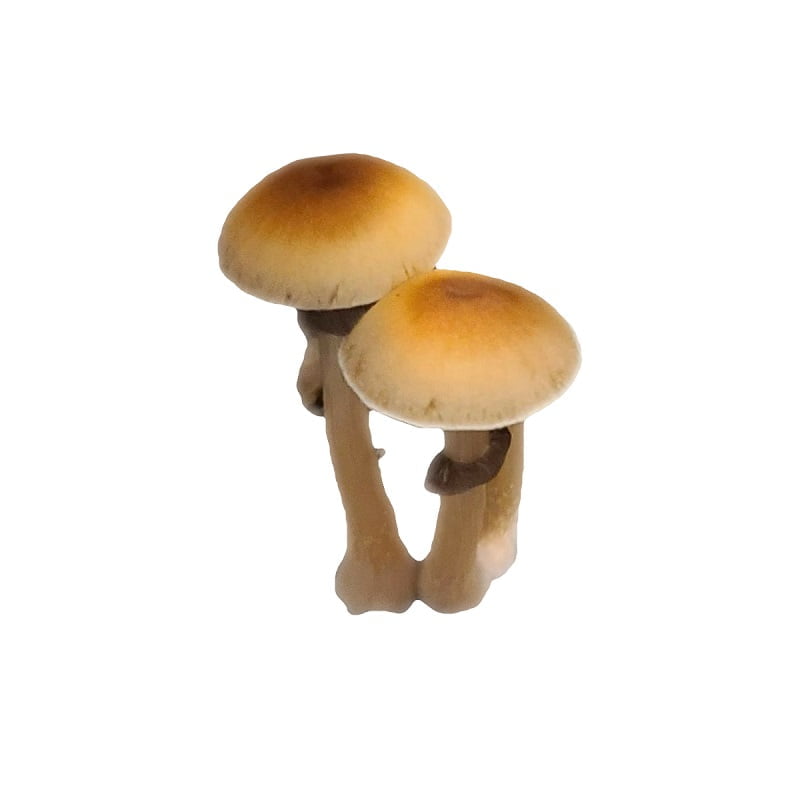
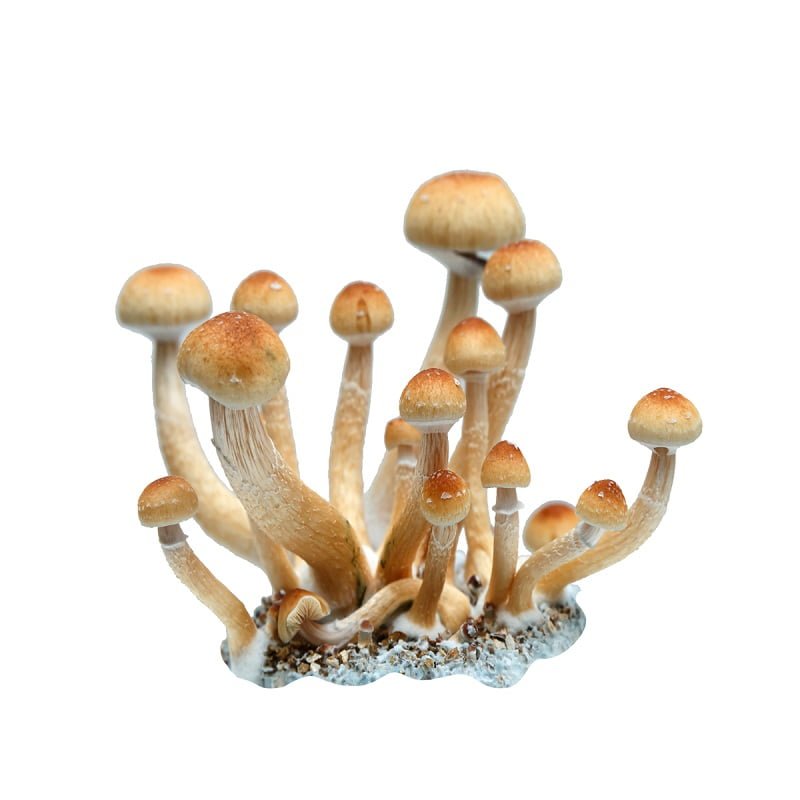
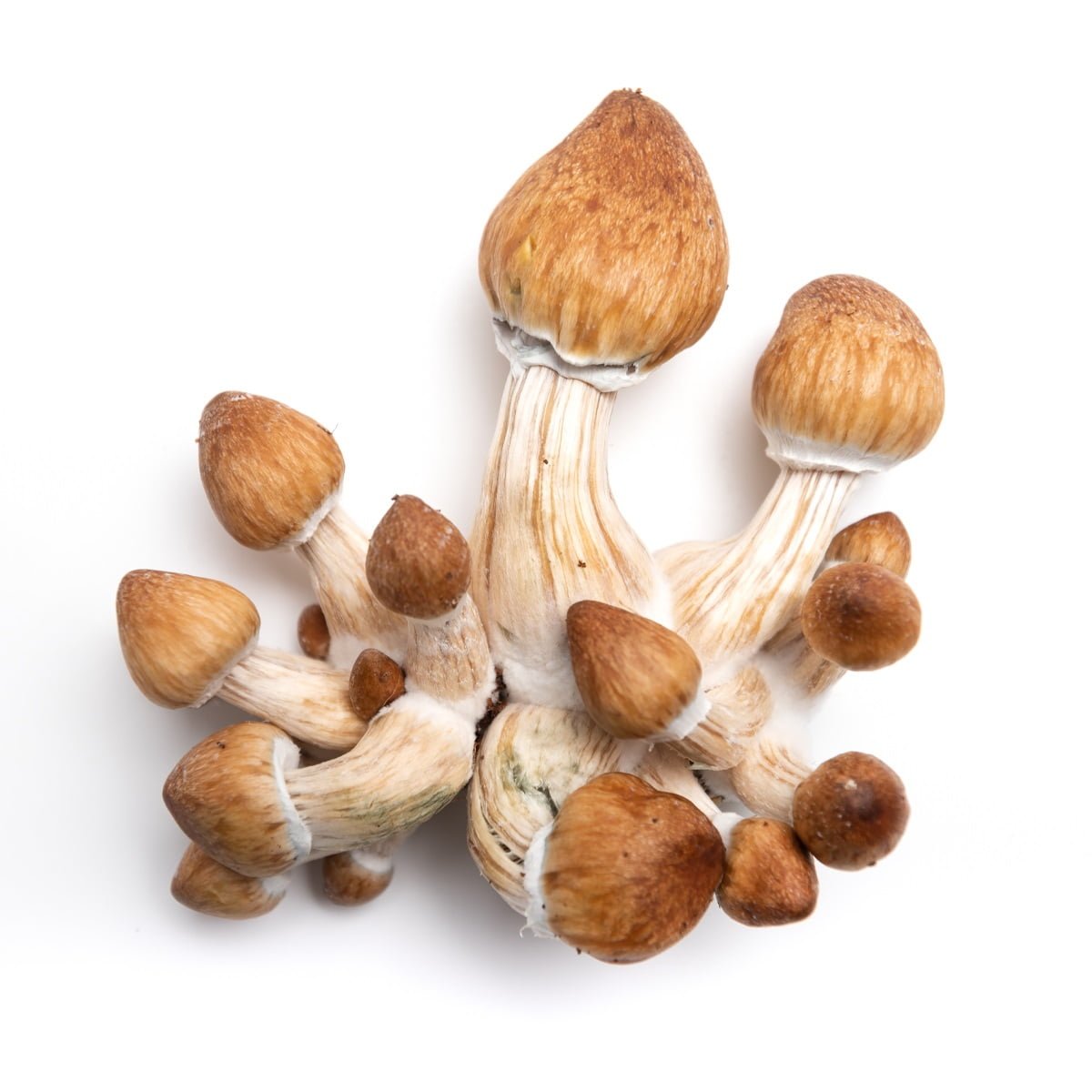
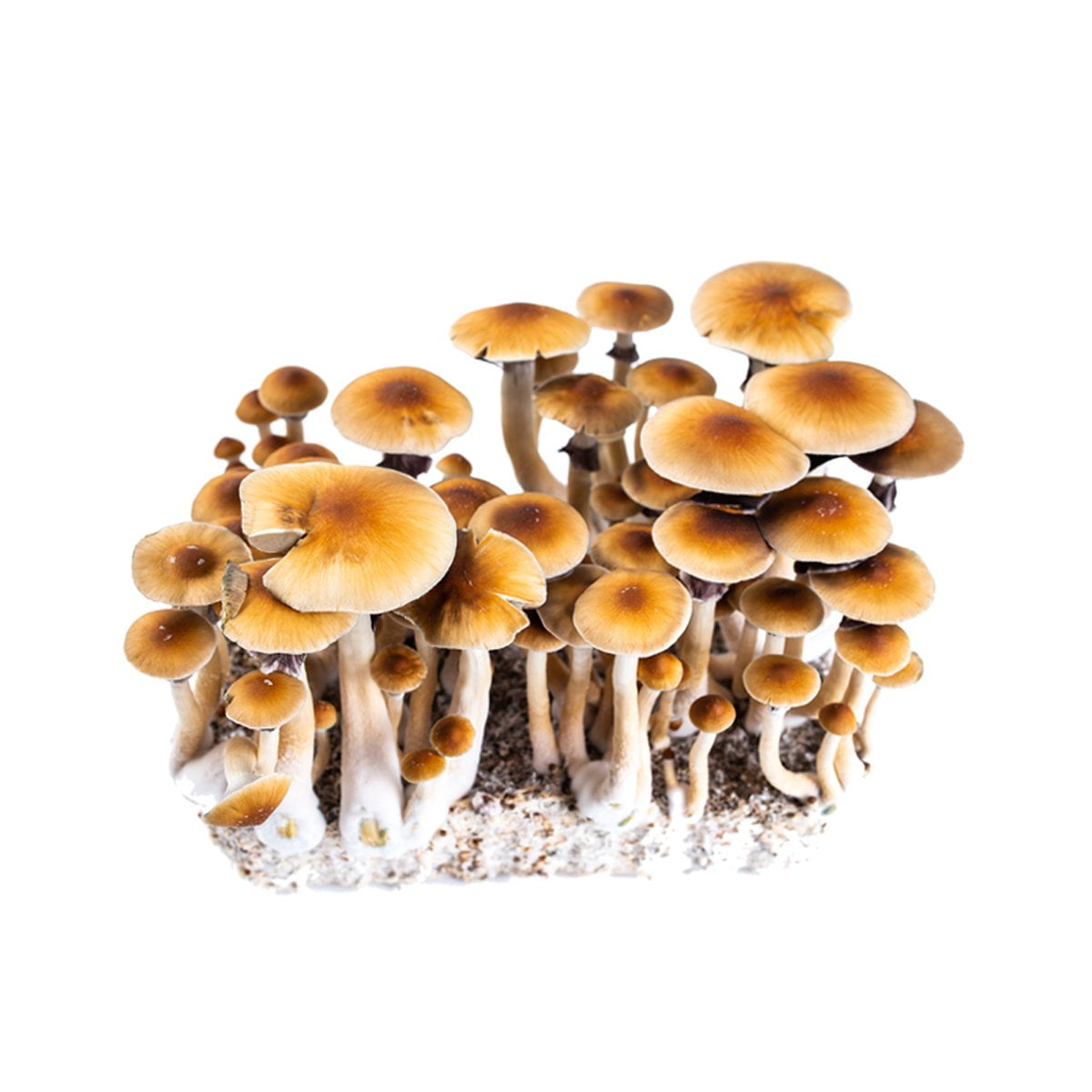
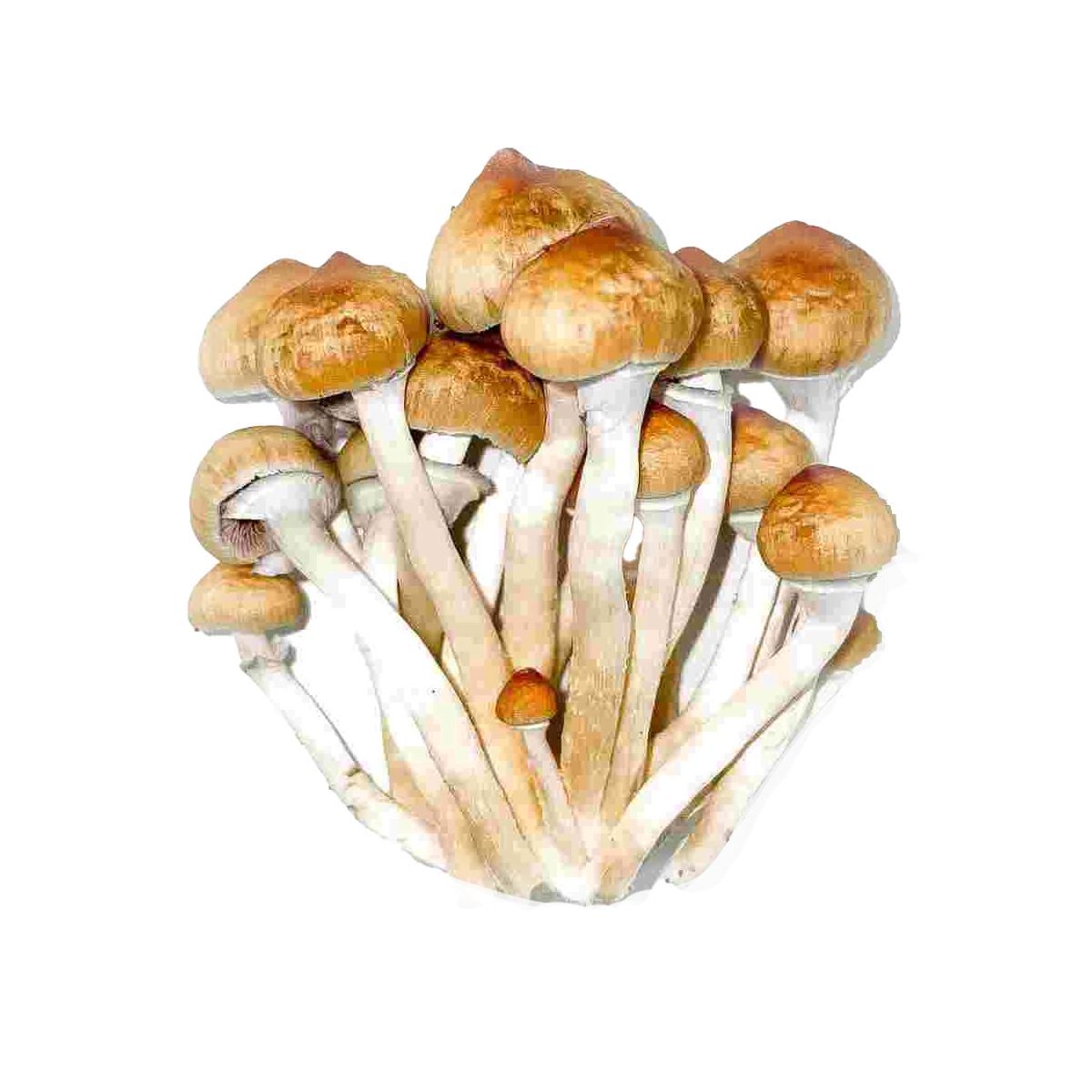
Despite its name, Pink Buffalo specimens are not pink. They are noted for vigorous structural development and pronounced physical features, including caramel-to-golden toned caps supported by thick, sturdy stems. These characteristics make the culture an engaging subject for microscopic examination and morphological analysis.
Genetic Diversity and Mycological Significance:
The Pink Buffalo culture is frequently studied for its contribution to understanding genetic variation across fungal research specimens. Examination of its structural and developmental traits provides useful data for researchers exploring growth behavior, morphology, and ecological adaptation within laboratory mycology.
Ethical and Legal Adherence:
Pink Buffalo cultures are provided exclusively for microscopy, educational, and laboratory research purposes. Distribution and use are intended to support responsible scientific inquiry and lawful academic study.
IMPORTANT PRODUCT DISCLAIMER
For Microscopy and Taxonomy Research Only. Psilocybe cubensis spores sold by SporesMD are intended exclusively for microscopic study, taxonomic identification, and educational research. They are not sold for cultivation, and germination is illegal in most U.S. jurisdictions.
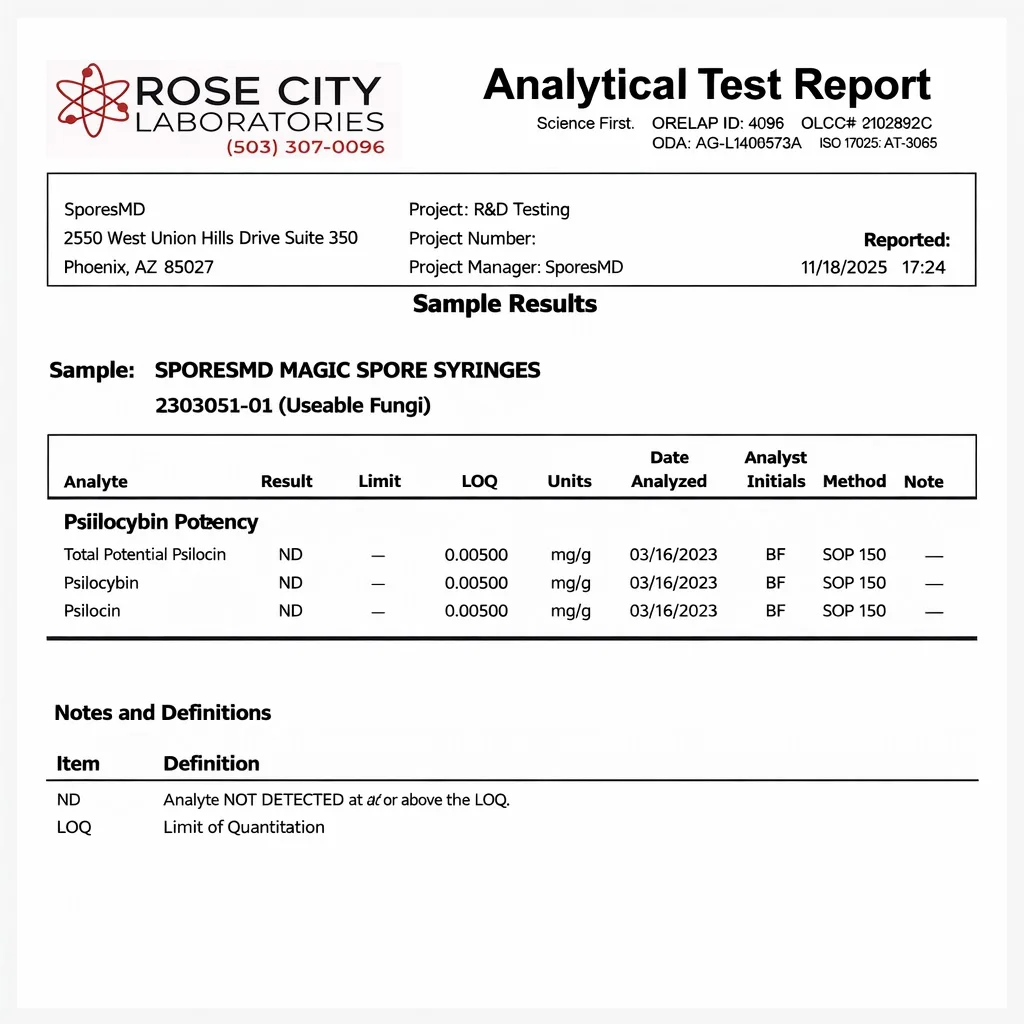
Controlled Substance Status. Ungerminated Psilocybe spores contain no psilocybin or psilocin and are not controlled under U.S. federal law. However, possession is a criminal offense in California, Georgia, and Idaho. SporesMD will not ship to these states.
Not for Consumption. These products are biological research specimens. They are not food, not a supplement, and are not safe or intended for ingestion in any form.
Buyer’s Responsibility. By placing an order, you affirm that you are 18 years of age or older, that you have verified the legality of purchase and possession in your state, county, and city, and that you will use the product solely for lawful microscopy or taxonomy purposes.