








Description
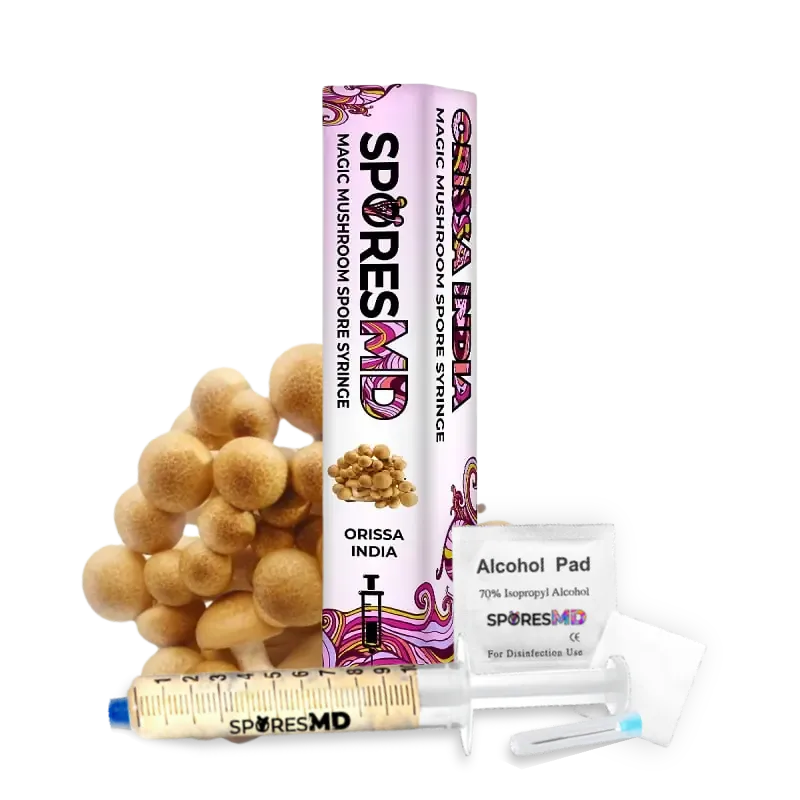
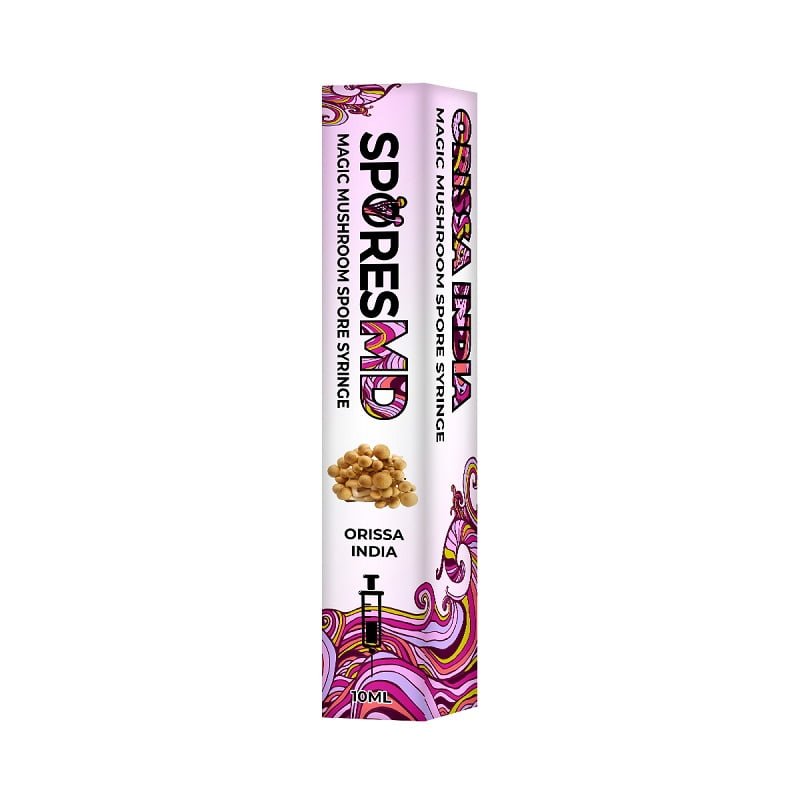
Orissa India Microscopy Liquid Culture
For Academic and Mycological Research Only
Overview
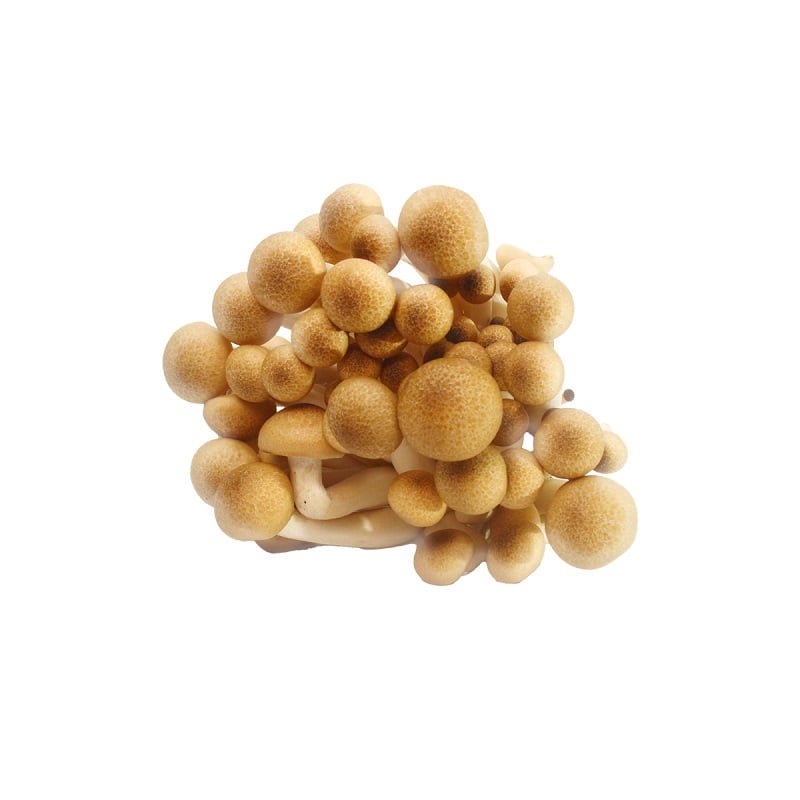
The Orissa India cultivar, originating from the ecologically diverse region of Odisha, India, has earned distinction within the mycological research community for its robust structure, distinctive visual characteristics, and rich environmental context. These microscopy liquid cultures are offered exclusively for scientific, taxonomic, and educational purposes.
Geographical and Research Significance
Sourced from the subtropical terrain of Odisha—a region characterized by high humidity and dense vegetation—the Orissa India cultivar provides valuable insight into the influence of climate and geography on fungal phenotype development. Its study contributes to understanding the complex relationship between habitat conditions and microbial adaptation.
Morphological Characteristics
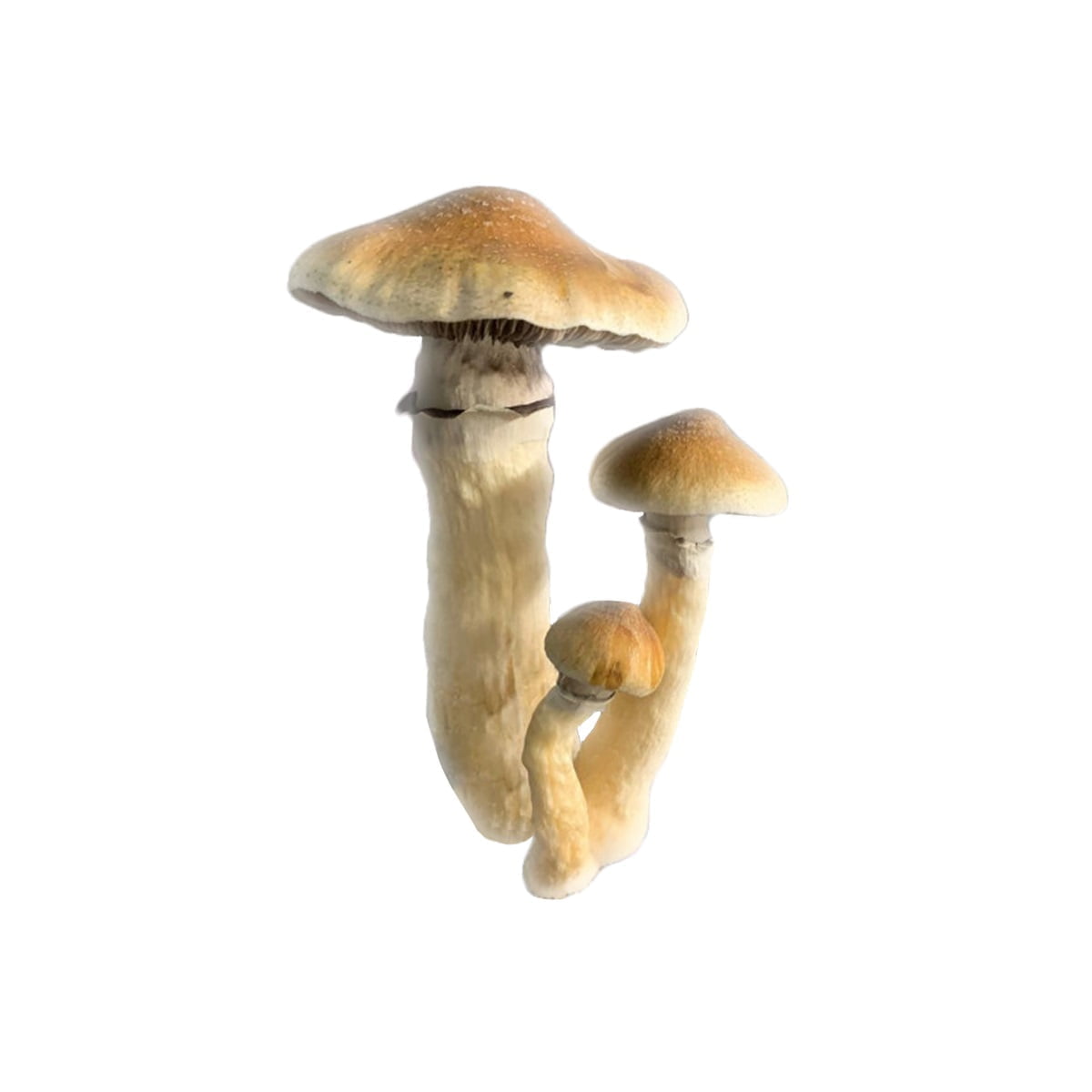
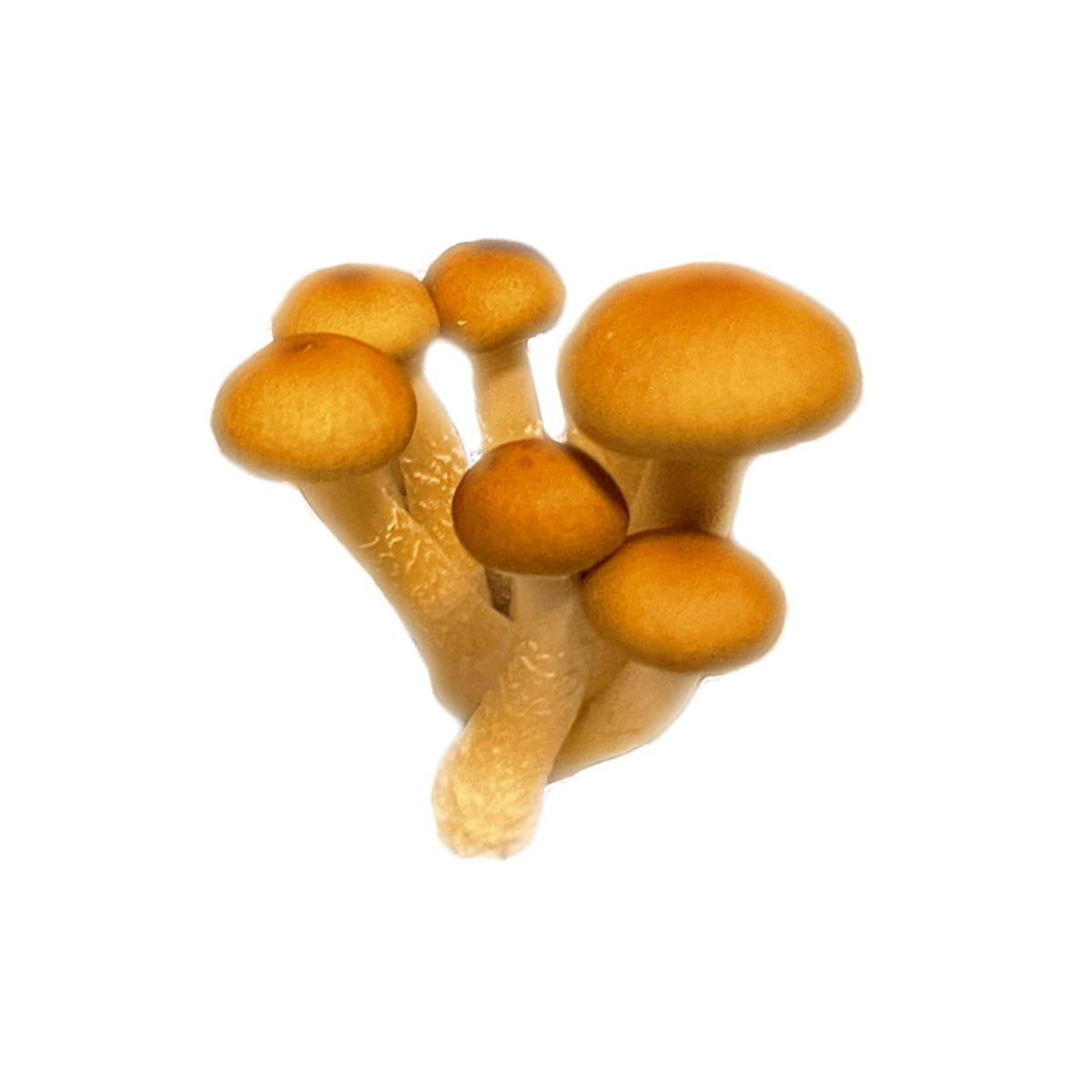
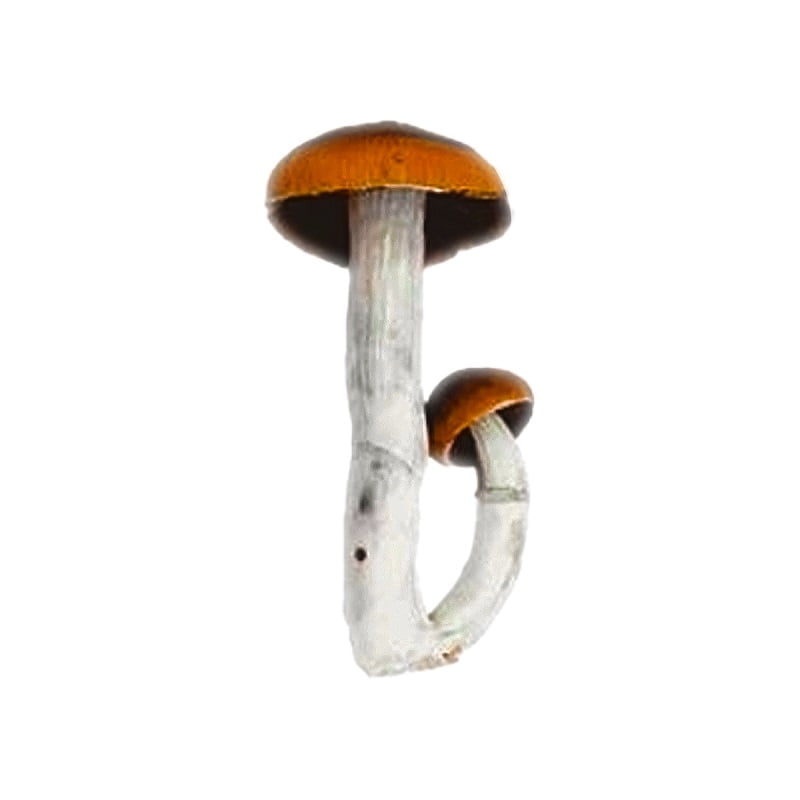
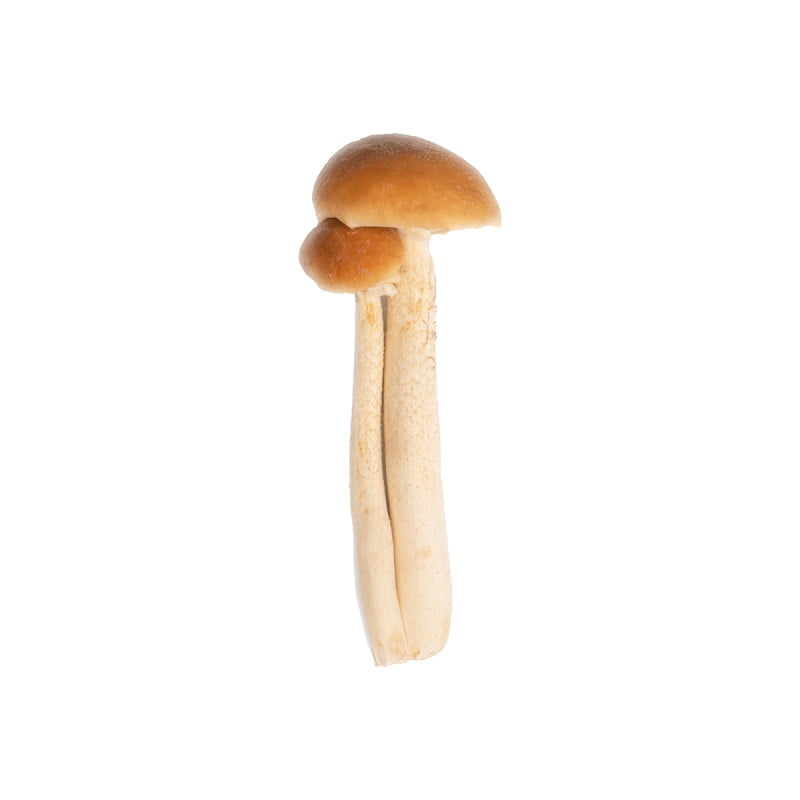
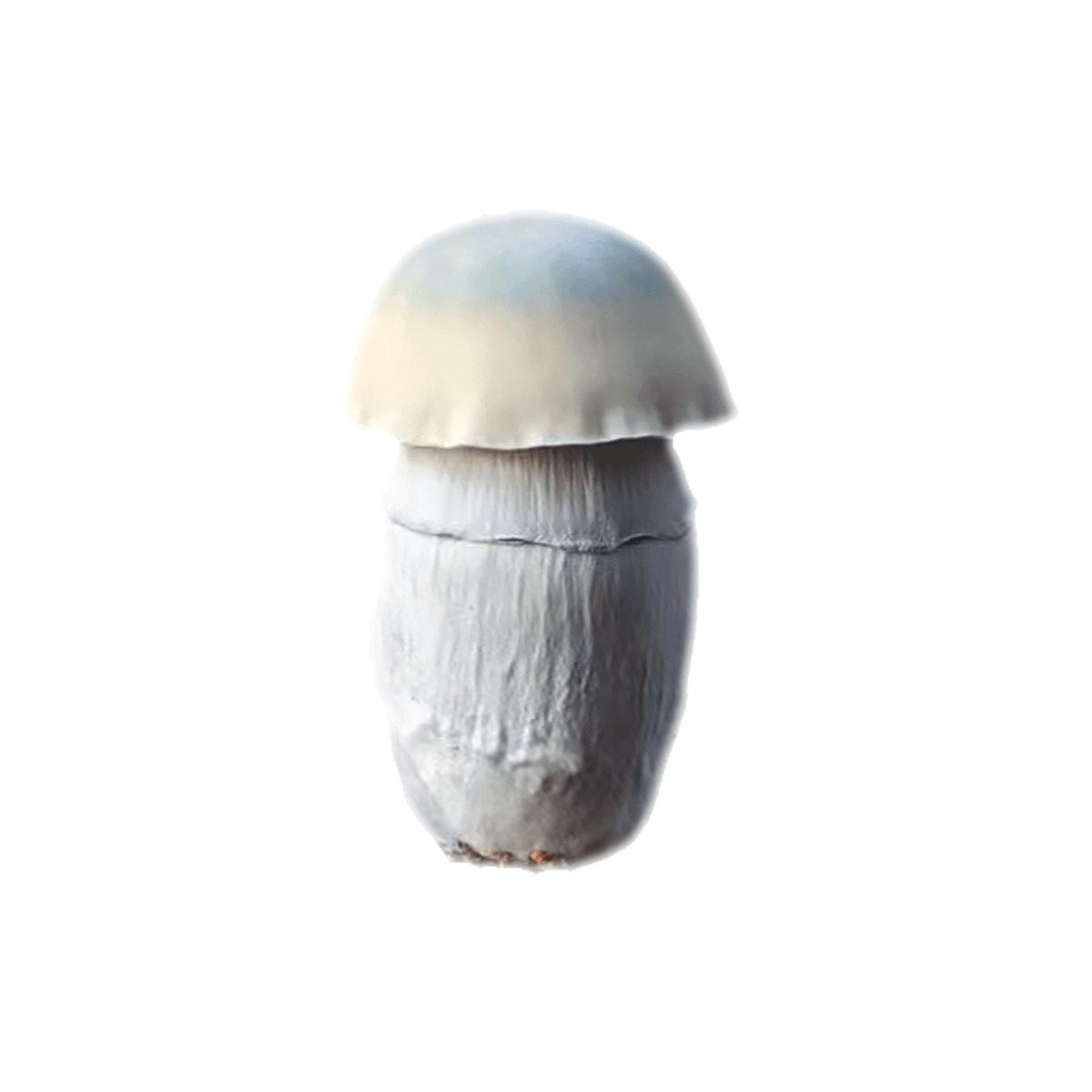
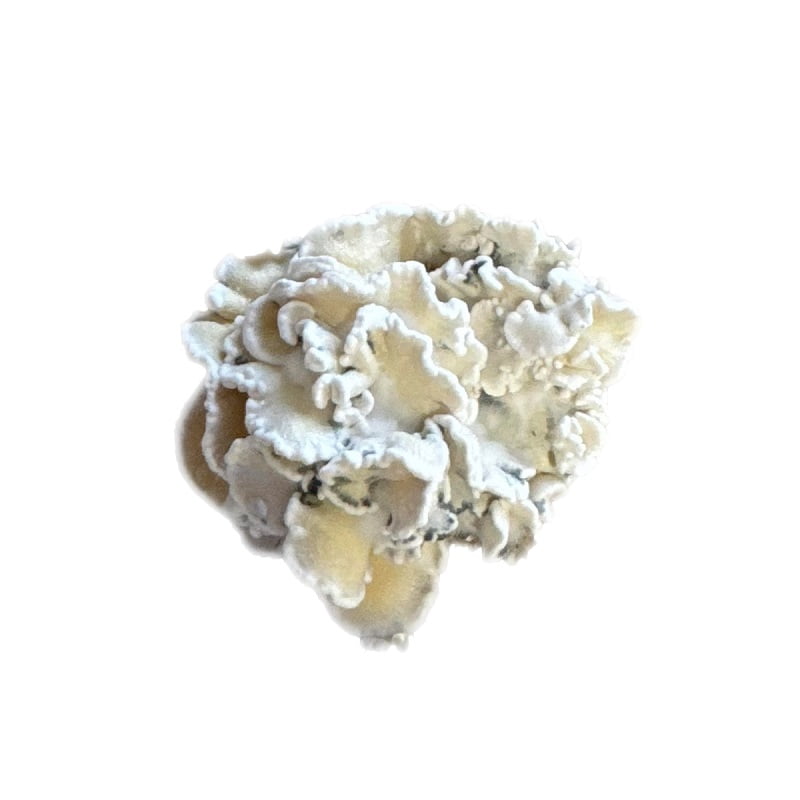
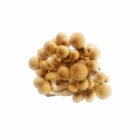
Researchers examining this specimen under a microscope frequently highlight its notably large and well-defined spore structures. The prominent size and pigmentation variation provide a strong subject for comparative morphology and developmental observation, distinguishing it from many other microscopy cultures in both scale and clarity.
Cultural and Historical Relevance
Although formal documentation of fungal research traditions in the region remains limited, the discovery of this cultivar adds depth to the global understanding of regionally adapted fungal specimens. It reflects the long-standing human interest in naturally occurring fungal diversity and the scientific curiosity surrounding it.
Genetic and Evolutionary Interest
The Orissa India cultivar offers valuable opportunities for studying fungal genetics, including adaptive traits, reproductive patterns, and evolutionary markers. Its distinctive morphology and regional origin make it a compelling subject for ongoing classification and genomic inquiry.
Conclusion
The Orissa India microscopy liquid culture is more than a research specimen—it represents a window into ecological diversity and a useful resource for advancing scientific knowledge. Its striking features and unique origin continue to make it a valuable asset to researchers and educators exploring fungal biology.
IMPORTANT PRODUCT DISCLAIMER
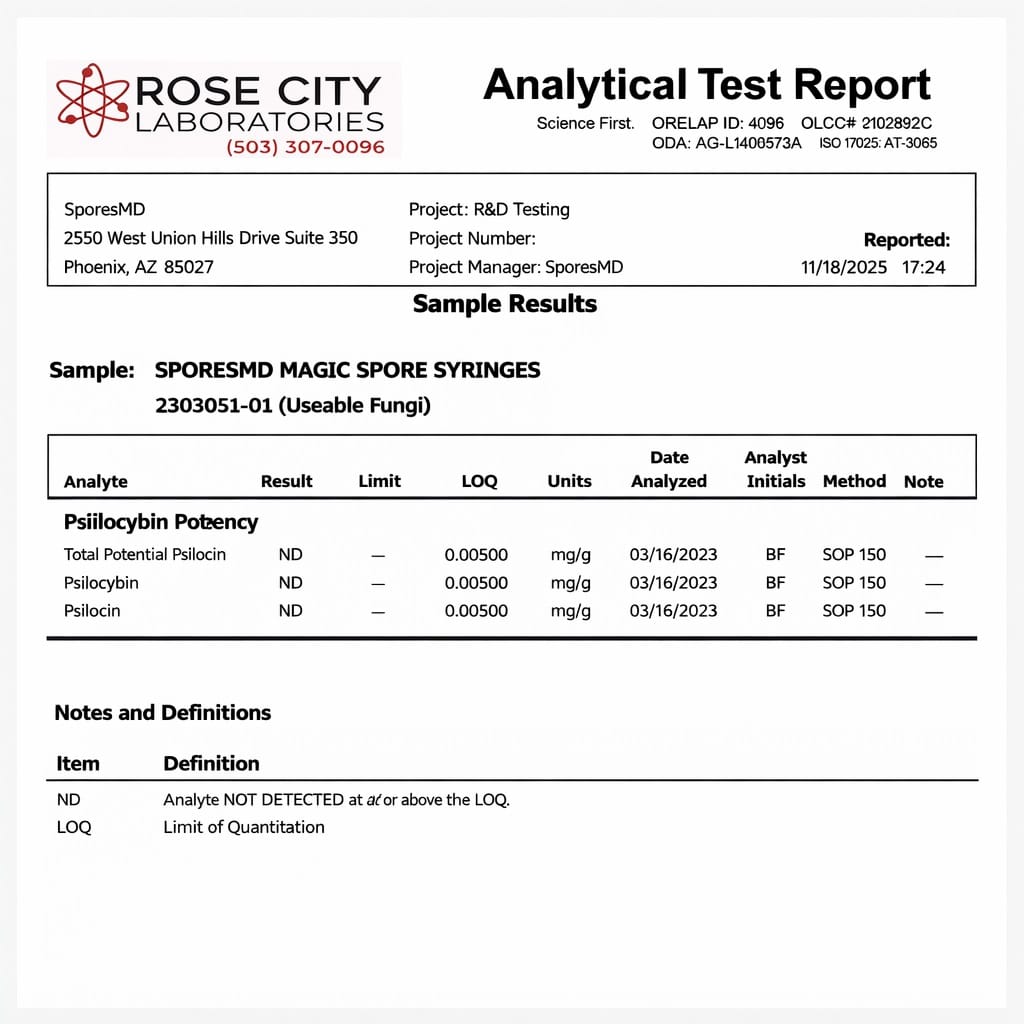
For Microscopy and Taxonomy Research Only. Psilocybe cubensis spores sold by SporesMD are intended exclusively for microscopic study, taxonomic identification, and educational research. They are not sold for cultivation, and germination is illegal in most U.S. jurisdictions.
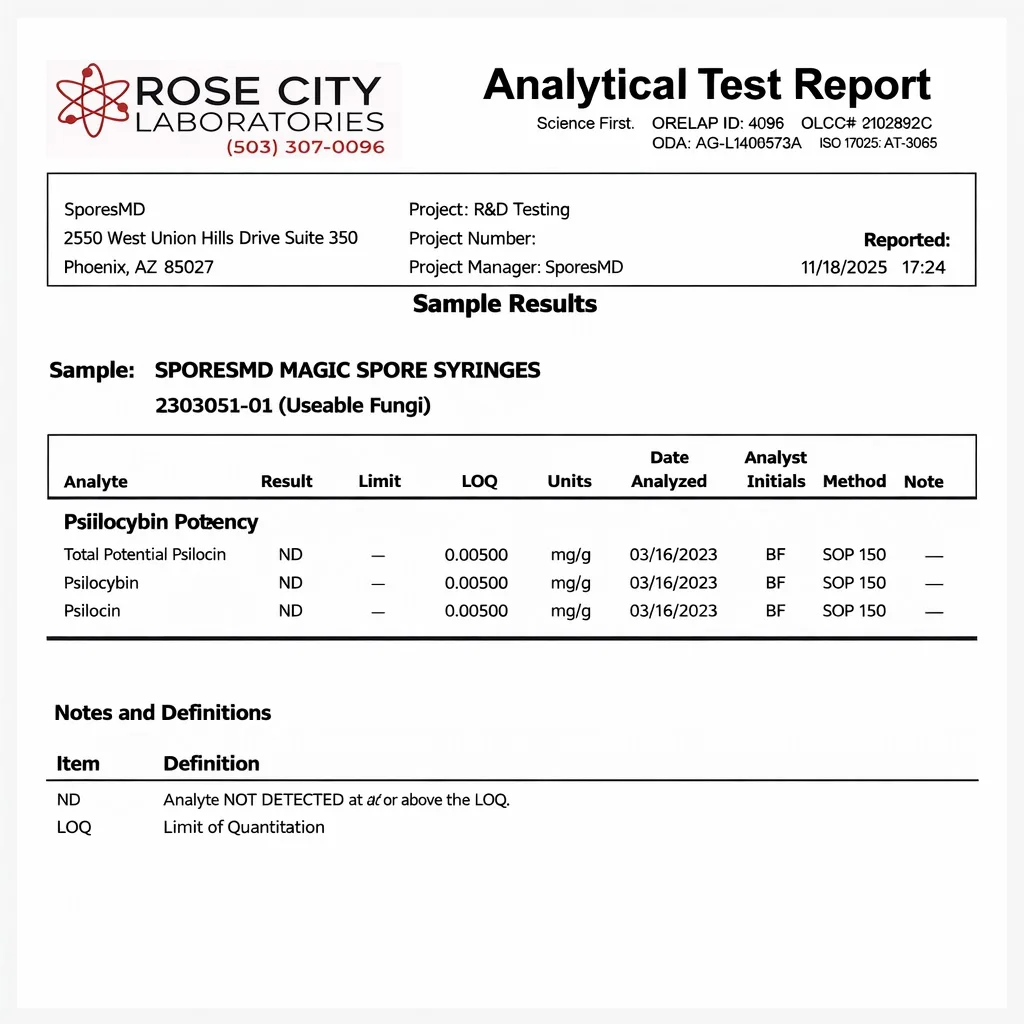
Controlled Substance Status. Ungerminated Psilocybe spores contain no psilocybin or psilocin and are not controlled under U.S. federal law. However, possession is a criminal offense in California, Georgia, and Idaho. SporesMD will not ship to these states.
Not for Consumption. These products are biological research specimens. They are not food, not a supplement, and are not safe or intended for ingestion in any form.
Buyer’s Responsibility. By placing an order, you affirm that you are 18 years of age or older, that you have verified the legality of purchase and possession in your state, county, and city, and that you will use the product solely for lawful microscopy or taxonomy purposes.