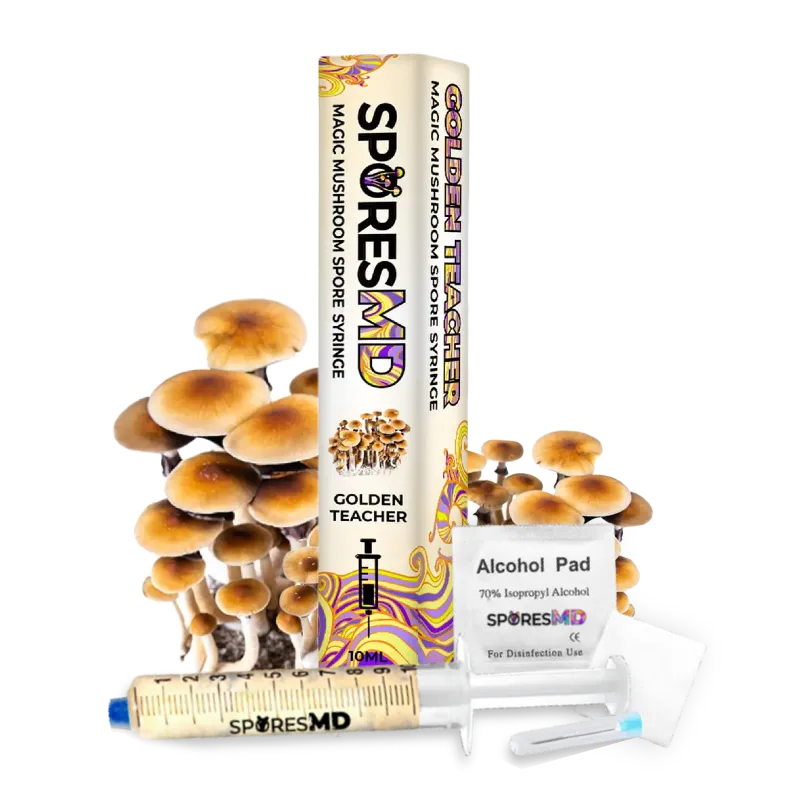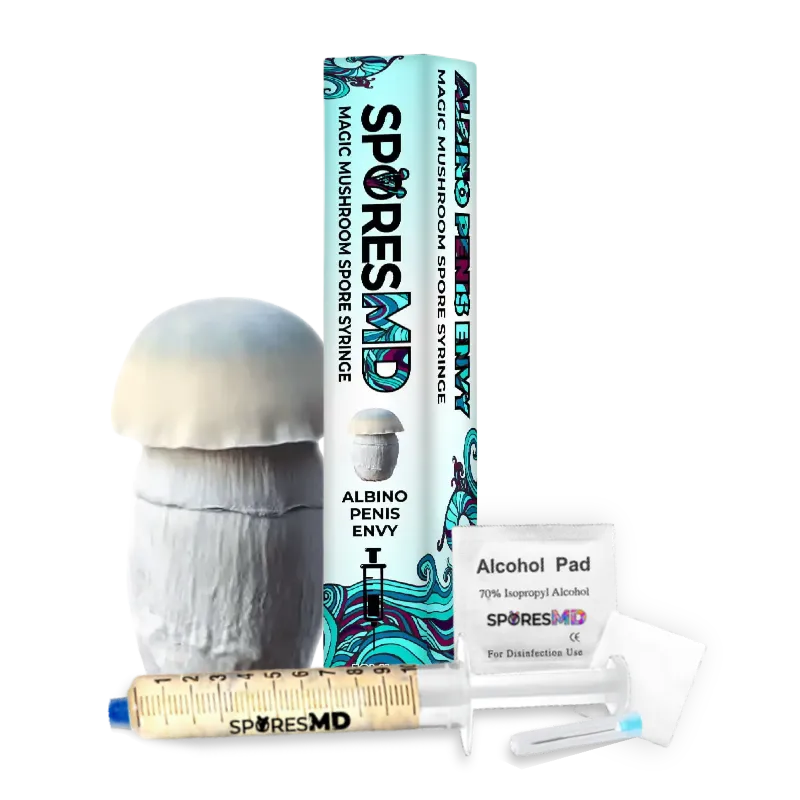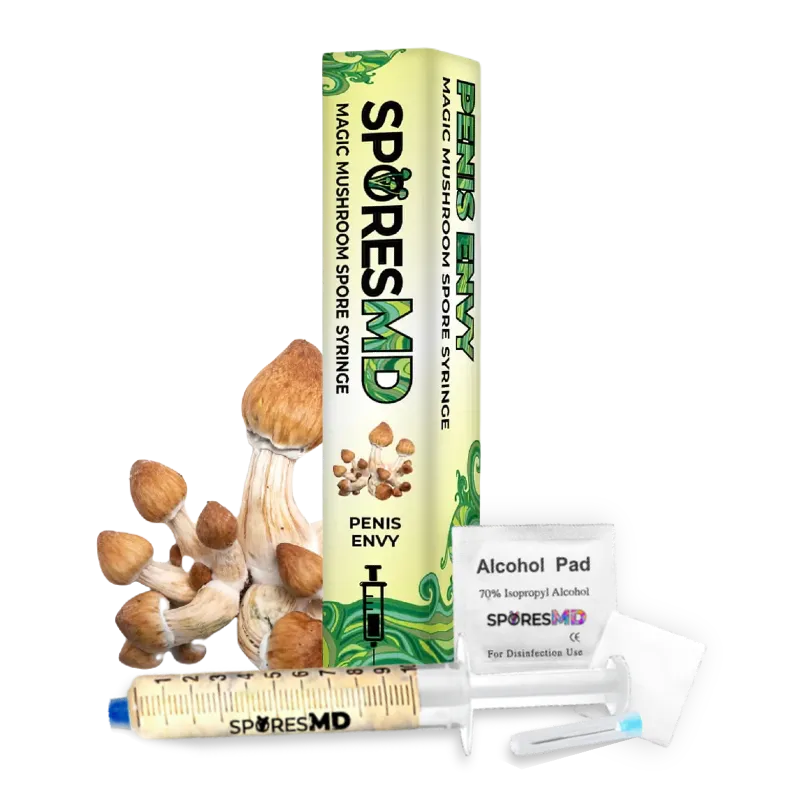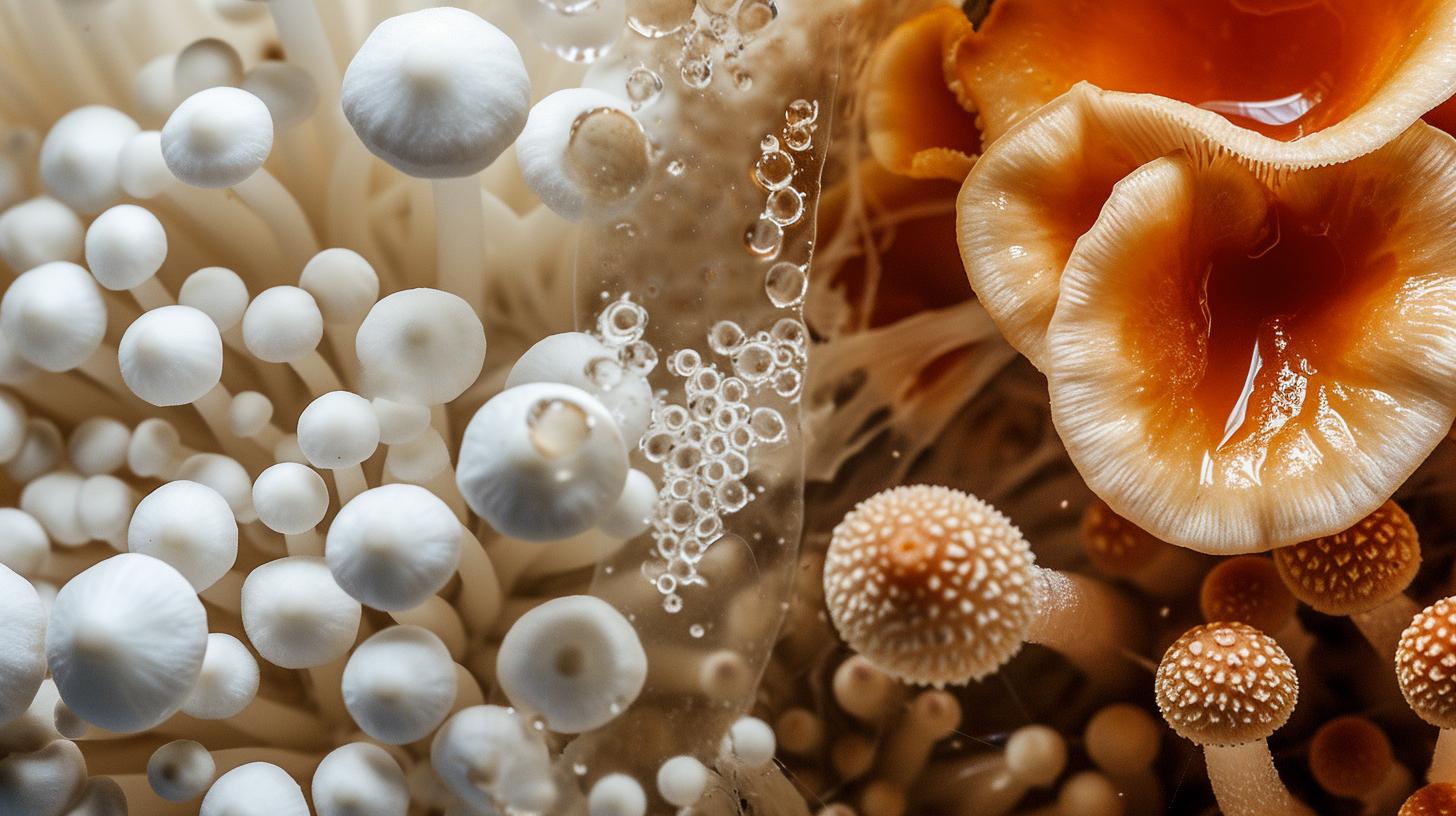
Diving into the fascinating world of mycology or amateur microscopy? You’ll likely come across two crucial terms: spore syringe and liquid culture. These are two different methods used to cultivate and study psilocybe spores, each with its own set of advantages and considerations.
Spore syringes, for instance, are often the go-to for beginners, thanks to their long shelf life and legal status in most jurisdictions. Liquid culture, on the other hand, attracts those looking for faster colonization times, despite its more complex storage requirements.
But what exactly are these methods, and how do they differ? Let’s take a closer look.
Key Takeaways
- mushroom spore syringes and Liquid Culture are common methods used in mushroom cultivation, with pros and cons for each. Spore syringes are beginner-friendly and have a long shelf life; Liquid culture offers quicker colonization times but has complex storage needs.
- Spore syringes contain mushroom spores in sterilized water, acting like ‘seeds’ to initiate mycelium growth and mushroom cultivation. However, they require a sterile environment, take longer to colonize, and increase the risk of contamination.
- Liquid culture contains mushroom mycelium in a nutrient-rich solution, cutting preparation and growth time as the mycelium is primed to colonize. But it poses risks of contamination and species misidentification.
- The main differences between the two include the contents (individual spores for syringes and mycelium for liquid culture), preparation processes, and efficiency (liquid culture accelerates colonization). Careful handling is advised for both to ensure successful cultivation.
- Spore syringes can be converted into liquid cultures with the right tools and procedures. It involves collecting spores, preparing the solution, and transferring to a syringe in a sterile environment.
- The choice between spore syringes and liquid culture depends on the cultivator’s preference. While liquid culture offers faster colonization, consistent results, and better yields, it has a shorter lifespan. Spore syringes, on the other hand, require more time and efforts but offer a diverse range of genetics.
Understanding Spore Syringes
Spore syringes are instrumental for mushroom cultivation. Like seeds in a garden, these syringes contain mushroom spores, the reproductive material suspended in sterilized water. They serve as the starting point of your mushroom growing journey.
Think of spores as the seeds of mushrooms, essential for triggering germination and mycelium growth. By injecting this solution into a viable substrate (or mushroom grow bag), you initiate mycelium growth, which in due time, colonizes the substrate. Thus, giving birth to your mushroom culture.
Pros of Spore Syringes:
- Spore syringes possess a long shelf life, enabling storage over an extended period.
- These syringes offer access to a diverse range of genetics, increasing your options in the world of mushroom cultivation.
Despite these benefits, spore syringes present a few cons.
- They require a sterile environment and advanced technique for successful mushroom growth.
- These syringes take longer to colonize, delaying your mushroom harvest.
- The risk of contamination increases when working with whole grains.
Please note, one can convert a spore syringe into a liquid culture. All you need is some agar plates, a liquid culture kit, and a sterile workspace.
In the journey of mycology and mushroom cultivation, it’s important to understand these methods and their terminologies. Knowledge of tools like the spore syringe provides you with the necessary foundation. To further broaden your understanding, let’s delve into liquid culture syringes next. Stringently, follow these guidelines and ensure the environment is conducive to safeguard your culture against contamination.
Liquid Cultures Explained
Transitioning from spore syringes, let’s navigate the path of liquid cultures in mushroom cultivation. As a technique, liquid culture streamlines the colonization process for fungi growth, though it isn’t without potential risks.
What’s in a Liquid Culture?
Essentially, a liquid culture contains mushroom mycelium suspended in a nutrient-rich liquid solution. The base commonly consists of a sugar or honey solution, acting as a vital growth medium for the mycelium.
In contrast to spore syringes, liquid cultures offer a form of ‘fast track’ to mushroom colonization. The mycelium in a liquid culture is already well-nourished and primed to colonize, cutting preparation and growth time significantly.
The Liquid Culture Process
Indeed, the method of preparing liquid cultures can involve spores too. It’s entirely possible to inject spores from a spore syringe into the solution.
However, understand there are risks involved in this move. Injecting spores directly into the solution offers no guarantee of isolating a specific mushroom variety. Plus, given the fluid environment, the potential risk of contamination increases.
Hence, experts recommend germinating spores on agar first, before introducing them into a liquid culture solution. This strategy minimizes the possibility of contamination and optimizes the growth efficiency of your mushroom mycelium.
Are you bent on keeping your mushroom cultivation on a smooth track? Grasp these concepts of liquid cultures and navigate your mycology projects with firm confidence. Keep in mind the vital role of prevention, employ recommended techniques, and reap the benefits of successful, effective mushroom cultivation. Remember, in mycology, knowledge is growth.
Comparison between Spore Syringe and Liquid Culture
Moving from spore prints, let’s now delve into the comparison of Spore Syringes and Liquid Cultures.
Primary Differences
Spore syringes typically contain millions of individual spores suspended in liquid. The source, mushroom caps, determine their size. Even a spore print as small as a dime, interestingly, carries millions of individual spores, translating typically into 5 to a 100 10ml spore syringes.
Liquid cultures, by contrast, expedite the colonization process and harbor mycelium within a nutrient-dense solution. Using liquid cultures offers a faster route to colonization in contrast to spore syringes.
Preparation Process
For collecting spores, you pick the cap off your chosen mushroom, place it on a tinfoil gill-side down, and cover it for 24-48 hours. After gently removing the cap, you’ll observe a spore print. Simply scrape some of it into a sterilized distilled water jar, then draw the mixed solution into syringes.
Liquid cultures can introduce potential contamination risks. Experts often recommend spore germination on agar first to minimize these risks and enhance growth efficiency.
Efficiency
Transitioning from spore syringes to liquid culture can streamline your mushroom cultivation process. While the former provides variety, the latter offers accelerated colonization.
Bear in mind, though, that despite the speed advantage, liquid cultures entail a possibility for contamination. So, it’s wise to always follow recommended procedures, ensuring the needed sterile environment for optimal results.
Takeaway: Choose your cultivation approach wisely, considering both method’s pros and cons. For a variety of genetics, consider the spore syringes. For speed, think liquid cultures. Just remember, efficiency comes with meticulous handling to prevent contamination.
Techniques to Convert Spore Syringes to Liquid Cultures
Now that you’ve grasped the ins and outs of spore syringes and liquid cultures, let’s delve into the application part. What about converting spore syringes into liquid cultures? Yes, it’s possible, and here’s how to go about it.
Step-by-Step Conversion Process
- Collect Spores: Cut the cap off your mushroom of choice. Get tinfoil, place the cap gill-side down on it, and cover it with a cup. Give it time, 24 to 48 hours is standard to allow the cap to drop spores freely.
- Retrieve the Spore Print: Upon your return, be careful when removing the cap; you don’t want any damage to your coveted spore print.
- Prepare the Solution: Now comes the interesting part. Scrape off a small portion of the spore print into a sterile distilled water jar. Remember, even a dime-sized spore print houses millions of spores.
- Transfer to Syringe: Carefully draw this spore-water solution into syringes; your spore syringe is ready. Be mindful to carry out these activities under a flow hood or still air box (SAB) to limit contamination.
It’s critical to note that liquid cultures are not an equivalent of hydrated spore prints, which are the precursor to your spore syringes.
Tackling Contamination
Being overly cautious isn’t counterproductive, especially when dealing with potential contamination. In time, you’ll find yourself rid of amateur errors and well on your way to becoming a pro-mycologist. For instance, you’ll quickly realize the value of germinating spores on agar before transitioning to liquid culture; the agar technique helps drastically reduce contamination and optimize mycelial growth.
Mushroom Cultivation: Making the Choice Between Spore Syringes and Liquid Cultures
In the amazing world of mushroom cultivation, choosing between spore syringes and liquid cultures makes a big difference. Each tool, brimming with potential, holds unique advantages. Yet, seasoned cultivators often favor one over the other. But why?
Faster Colonization with Liquid Cultures
Liquid cultures, a nutritious cocktail holding live, active mycelium, edge past spore syringes for their rapid colonization rate. A spore syringe might come packed with countless dormant spores but it might take time for these tiny spores to germinate. In contrast, liquid cultures are ready-to-go, promoting rapid mycelium growth, shaving off precious cultivation time.
Consistent Results and Better Yields
Dependency on spore syringes often results in inconsistency as spore germination rates can vary. With liquid cultures, cultivators can replicate consistent results, yielding a stable mushroom crop.
Storage and Transport
Storing a spore syringe is easy, but it requires attention to detail. It needs to be sealed air-tight and kept in optimal conditions for future use. In comparison, liquid cultures, albeit shorter lifespan, provide easy storage and transport.
Conclusion
Choosing between mushroom spore syringes and liquid cultures isn’t a simple task. It’s about weighing the benefits of each against your specific needs. If you’re after speed and consistency, liquid cultures are your best bet. They’re easy to store, transport, and can deliver better yields. On the other hand, remember the importance of a sterile environment and proper technique. With these, you’re setting yourself up for success, no matter the method you choose. So, consider your options, make an informed decision, and let the mushroom cultivation journey begin. It’s an exciting world, and you’re just a step away from diving in. Happy growing!