If you are exploring the world of mycology through microscopy, one of the first things you will notice is that there are multiple ways to prepare spores for observation. Two of the most common formats are liquid culture and microscopy spore syringes. Each format has its own advantages, ideal use cases, and learning opportunities. Knowing when to use liquid culture versus a traditional spore syringe helps you plan your study sessions more effectively and get the most out of your microscope time.
Whether you are a beginner discovering spores for the first time or a seasoned enthusiast refining your techniques, understanding these formats will give you more confidence as you build your microscopy skills. Explore our microscopy spore syringes today and find the perfect fit for your observation goals.
What Is a Microscopy Spore Syringe?
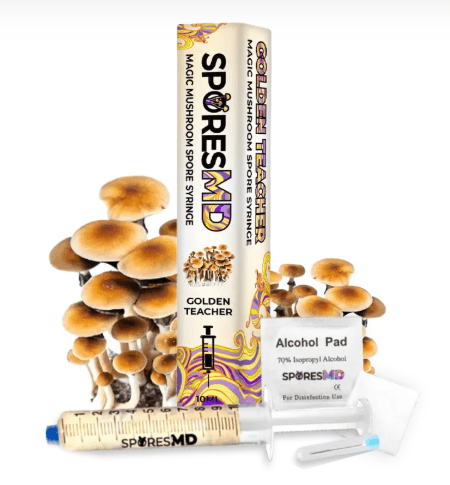
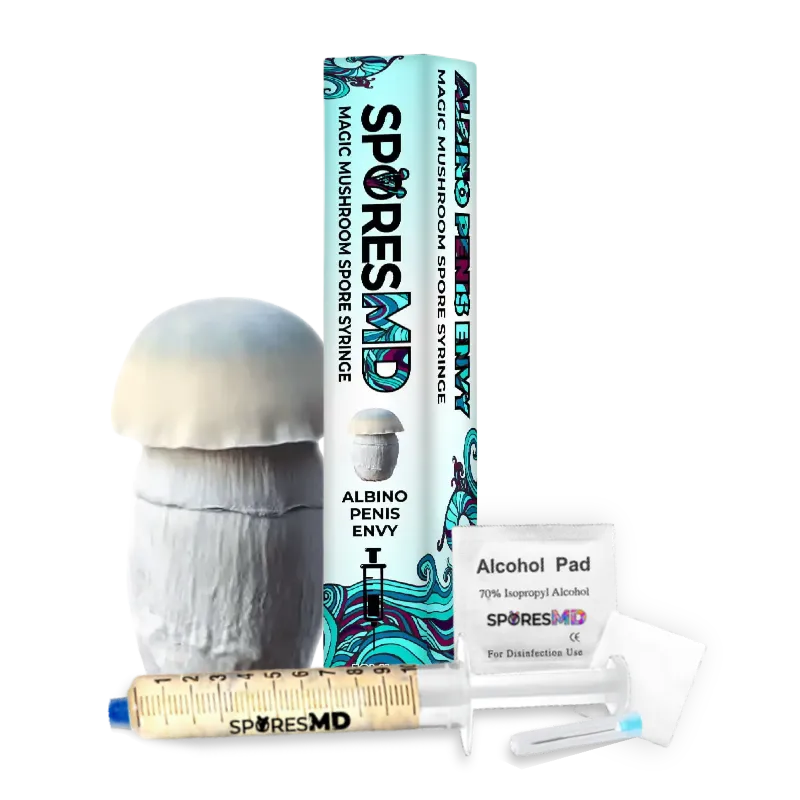
A microscopy spore syringe is a traditional and widely used method for preparing spores for slide presentation. In a spore syringe, spores are suspended in a sterile liquid that allows them to spread evenly when placed on a microscope slide. The even distribution makes it easier to observe individual spores and notice distinctive features such as size, shape, and surface texture.
Microscopy spore syringes are especially popular for people who want a reliable, ready-to-use source of spores that requires minimal preparation. They are often chosen for initial learning, basic documentation, and general microscopy practice because you can apply the spores directly to a slide without needing to prepare a separate spore print or other collection.
When preparing slides from a spore syringe, you draw a small amount of the suspension and place the fluid on your slide along with a cover slip. The liquid spreads the spores out gently and evenly, reducing clumping and making structures easier to differentiate. This controlled dispersion makes spore syringes an excellent choice when your goal is clear observation rather than creative collection.
What Is a Liquid Culture?
A liquid culture is different in that it contains mycelium, the thread-like vegetative growth of fungi, suspended in a nutrient-rich liquid. In microscopy, liquid culture allows you to observe not just individual spores but also how the mycelial structures develop in a dynamic environment. This makes liquid culture an excellent tool for studying growth patterns, hyphal branching, density, and mycelial texture.
Because liquid cultures contain live mycelium as well as spores, they can provide richer structural detail than a spore syringe alone. When you place a drop of liquid culture on a slide, you are seeing an active growth network that may reveal fungal behavior beyond static spore morphology. This format is particularly useful for more advanced observation work and comparative studies where you want to document how different fungi establish and expand their mycelial networks. Browse our liquid culture collection now and discover samples that reveal mycelial growth in detail.
Comparing Spore Methods for Better Results
Understanding the differences between a traditional microscopy spore syringe and a liquid culture helps you choose based on your goals:
Spore Syringes
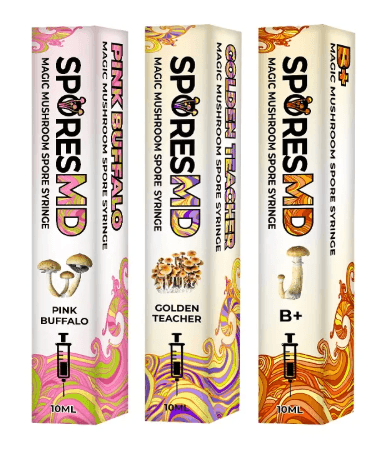
- Provide clean, uniform spores ready for slide work.
- Are ideal for beginners learning basic spore features.
- Make it easy to compare spore size, shape, and surface texture.
- Simplify slide preparation with even distribution.
Liquid Cultures
- Include active mycelium in addition to spores.
- Offer insight into hyphal growth, branching, and density.
- Work well for advanced study and structural observation.
- Give you a sample that reflects both spores and the vegetative phase of growth.
In practice, many microscopy enthusiasts choose to work with both formats over time. A spore syringe is often the first tool people reach for when they want to see what spores look like. As your curiosity grows, a liquid culture gives you the chance to observe how growth networks form and behave, taking your study beyond surface-level characteristics and into fungal dynamics.
Perfect for Beginners and Spore-Focused Study
Microscopy spore syringes are best when you want a straightforward way to study spore morphology. If you are interested in questions like how big the spores are, what shape they are, and how they react to different stains, a spore syringe gives you a clean sample with minimal steps required.
Here are some specific scenarios where a spore syringe is the right choice:
- Starting Out: You are new to microscopy and want a simple way to begin observing spores.
- Focus on Spores Alone: Your study is centered on spore identification, size comparison, or surface patterns.
- Even Distribution: You value uniform placement of spores on slides for clearer images.
- Quick Preparation: You want something you can use right away without extra steps.
Microscopy spore syringes from SporesMD are prepared under sterile conditions, so you can trust the quality of the sample and focus on your observation instead of slide preparation.
When You Want Dynamic Observation Opportunities
Liquid culture shines when you want to explore structural growth beyond isolated spores. Because liquid culture contains living mycelium, it allows you to observe how the fungus behaves rather than just what the spores look like.
You might choose liquid culture when:
- Studying Growth Patterns: You want to see how hyphae extend and branch in a nutrient environment.
- Comparative Structural Work: You are comparing different strains or observing changes over time.
- Developing Advanced Skills: You are comfortable with microscopy basics and want to explore deeper details.
- Mycelial Observation: You want to witness vegetative growth structures that are not visible in a spore syringe.
Liquid culture opens up an extra dimension in microscopy study by showing living networks in motion under the lens. This makes it a valuable resource for those who want to go beyond single spore characteristics and explore fungal biology in context. You can find high-quality liquid culture options at SporesMD that are perfect for detailed observation sessions. Dive into our liquid culture options now and take your microscopy study to the next level.
Combining Both for Better Results
Many microscopy practitioners use both spore syringes and liquid cultures to get the full picture. Starting with a spore syringe helps you identify basic traits like spore size, shape, and texture. Following up with a liquid culture lets you see how those spores behave when they form mycelial structures.
For example, you might prepare slides from a spore syringe to document the spores themselves. Then you could use liquid culture to observe hyphal development and branching patterns. Observing both formats gives you a richer understanding of the organism’s life cycle, and over time, it helps you build confidence and intuition about fungal growth and structure.
Techniques for Clearer and More Accurate Slides
To get great results from either format, keep a few practices in mind:
- Prepare slides in a clean environment to avoid contamination.
- Use appropriate magnification and lighting for the structures you want to see.
- Take your time to notice subtle differences in texture and shape.
- Compare multiple samples to build a broader understanding.
Consistent observation, note-taking, and experimentation will help you learn more quickly and make your microscopy sessions more enjoyable.
Making Smarter Choices for Spore Study
Liquid culture and traditional microscopy spore syringes each have distinct advantages. Spore syringes offer easy and consistent access to individual spores, making them ideal for beginners or anyone focusing on spore morphology. Liquid culture, with its active mycelial structure, unlocks deeper insight into fungal growth patterns and provides a dynamic subject for experienced observers. Both formats are valuable in their own right, and many microscopists find that using both helps them gain a more complete understanding of fungal life cycles and structure.
If you are ready to explore spores and growth patterns with confidence, explore the selection of microscopy spore syringes and liquid culture products today.