Working with liquid culture can feel intimidating at first. Small mistakes can slow growth, create uncertainty, and make valuable mycelium vulnerable. Knowing how to properly maintain liquid culture helps reduce frustration and keep observations consistent.
Proper care helps keep the liquid culture clean and healthy. Maintaining stable conditions and following simple routines reveals natural growth patterns and makes each session more insightful. Observers can gain a deeper understanding of mycelial behavior without worrying about preventable issues.
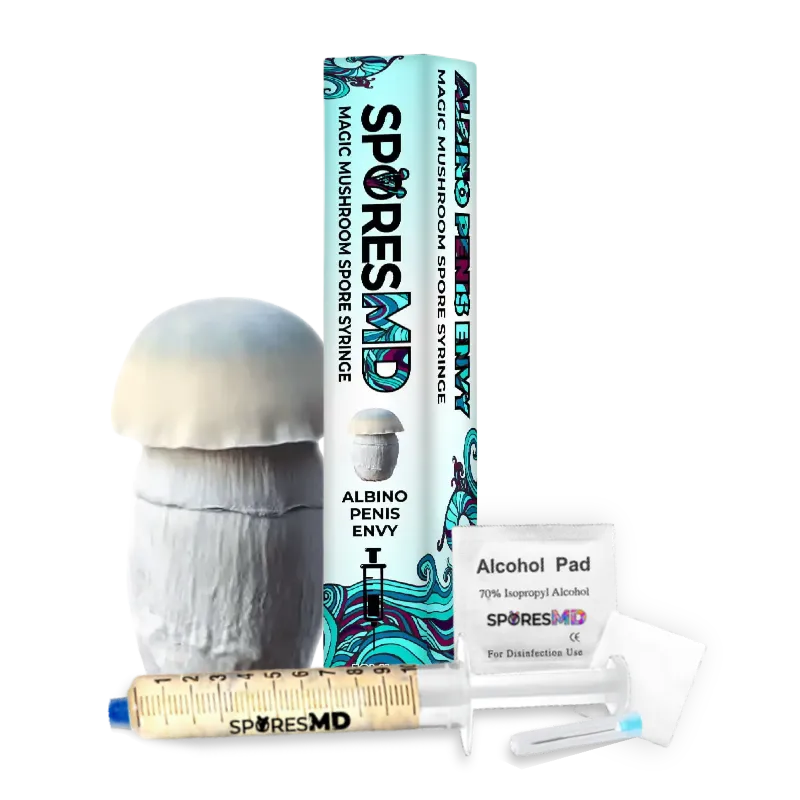
Using the right tools and resources supports reliable results. SporesMD offers curated liquid cultures, spore syringes, and observation kits to match different learning goals. Choosing the right supplies ensures every session is productive and engaging.
Understanding Liquid Culture and Its Role
Liquid culture provides a concentrated mycelial solution that enables observers to efficiently explore fungal growth. Unlike spore syringes, which focus on individual spores, liquid culture provides a network of living mycelium suspended in a nutrient solution. This allows a person to observe branching patterns, changes in density, and overall health more directly. Knowing the differences between a spore syringe and a liquid culture helps guide setup, storage, and observation practices.
Liquid culture serves as both a learning tool and a consistent source of mycelium. Regular observation reveals subtle shifts in growth behavior, texture, and density that might otherwise go unnoticed. Understanding these dynamics is key to maintaining a reliable culture over time.
Preparing for a Clean Observation
Preparation shapes the outcome of every liquid culture session. Cleanliness, organization, and careful planning minimize variables that can affect growth. Setting up a dedicated workspace, using sterile tools, and managing environmental conditions creates a stable environment for mycelial development.
Some key practices include:
- Organize materials before beginning to reduce interruptions
- Use gloves, clean surfaces, and sanitized instruments to limit exposure to foreign particles
- Keep lids and containers closed whenever possible to maintain sterility
- Avoid placing liquid cultures near open food or dust-prone areas
- Allocate a consistent location for your cultures to avoid unnecessary movement
Each step reduces the likelihood of introducing outside elements. Observing how liquid culture responds in a stable environment becomes more predictable and informative.
Choosing the Right Container
Choosing the right container affects both access and overall culture stability. Containers should allow easy observation while protecting the culture from contaminants. Glass vials, test tubes, and sterile jars each offer advantages depending on the level of handling and the type of observation a person plans to do.
When selecting containers, make sure they seal tightly to prevent accidental exposure. Clear containers allow growth to be monitored without opening frequently, while sturdy materials can withstand routine handling and storage conditions. Labeling each container with the date and strain helps track progress efficiently and keeps observations organized.
Using appropriate containers creates a secure home for the culture. Observers can follow development closely without risking accidental exposure or mishandling, making each session more reliable and informative.
Maintaining Consistent Environmental Conditions
Liquid culture responds to temperature, light, and movement. Maintaining consistent conditions encourages healthy growth patterns and provides reliable observation points. Sudden changes can stress the culture or alter growth, obscuring normal mycelial behavior.
Guidelines for environmental control:
- Store cultures at a stable temperature appropriate to the strain
- Avoid direct sunlight or strong artificial light that can affect nutrient stability
- Limit vibrations and excessive movement that can disrupt mycelium networks
- Keep humidity stable if the storage area is sensitive to moisture shifts
- Monitor conditions regularly to detect subtle environmental changes
Consistency creates an environment where liquid culture thrives and allows observers to notice natural growth patterns rather than compensate for fluctuating conditions.
Understanding Nutrition and Growth Patterns
Liquid culture contains nutrients that support mycelial expansion. Observing how mycelium interacts with its nutrient solution provides insight into branching, density, and overall structure. The network grows methodically, distributing resources based on local density and available space.
Important considerations:
- Avoid opening containers unnecessarily, which can deplete nutrients or introduce particles
- Shake gently when recommended to distribute nutrients evenly
- Observe color changes, texture, and density as indicators of natural development
- Compare multiple cultures over time to understand strain-specific behavior
- Track observations consistently to build a personal record of growth dynamics
Noting these subtle cues helps you stay engaged with the liquid culture and anticipate natural shifts without disrupting the system.
Avoiding Contamination
Contamination is a common concern for those working with liquid culture. The presence of foreign organisms can obscure growth and make observations less reliable. While sterile techniques reduce risk, attention to daily practices ensures liquid culture remains uncontaminated.
Practical tips to reduce contamination:
- Wipe down work surfaces with an appropriate cleaning solution before handling cultures
- Use new or sterilized tools each session to avoid introducing spores or bacteria
- Keep containers sealed whenever possible, opening only when necessary
- Observe visually for unexpected color or odor changes without disturbing the culture
- Dispose of compromised cultures safely to prevent spread to other samples
By incorporating these practices, liquid culture remains a stable and reliable tool for observation and learning.
Regular Observation Practices
Tracking growth over time enhances understanding of mycelial behavior. Observation routines provide reference points for subtle changes in growth rate, color, or structure. Using consistent methods strengthens insights while minimizing disruption.
Observation checklist:
- Schedule weekly or daily observation sessions
- Use clear notes, photographs, or sketches to document changes
- Record environmental conditions alongside growth observations
- Compare observations across multiple cultures to identify patterns
- Note the differences between the liquid culture and the spore syringe results to refine techniques
Routine observation transforms liquid culture from a static resource into a dynamic learning experience.
Comparing Spore Syringe vs Liquid Culture
Understanding the difference between spore syringes and liquid culture informs best practices. Spore syringes contain individual spores, ideal for learning about germination and spore morphology. Liquid culture contains active mycelium that expands rapidly and provides insights into growth patterns and mycelial health.
Key differences:
- Spore syringes allow direct observation of spore shape and germination timing
- Liquid culture offers a ready-to-observe network of mycelium for growth tracking
- Syringes require longer periods to see mycelial expansion, while liquid culture shows immediate activity
- Handling techniques differ based on sterility needs and observation goals
Knowing how to maintain a liquid culture versus a spore syringe allows you to use both tools effectively for observation and study.
Keeping Liquid Culture Thriving Over Time
Sustaining liquid culture requires attention to care practices and gentle handling. With regular monitoring and consistent environmental conditions, liquid culture can remain a valuable resource for extended periods.
Tips for longevity:
- Store cultures in stable, appropriate temperature conditions
- Maintain clean handling practices every time you interact with the culture
- Monitor for any visual changes that could indicate contamination or stress
- Shake or agitate gently when recommended to encourage nutrient distribution
- Rotate cultures if working with multiple strains to maintain engagement and observation
Adopting a disciplined routine ensures liquid culture continues to provide clear insights and reliable study opportunities.
Tools and Products That Support Observation
Having the right tools makes working with liquid culture more manageable. Sterile syringes, high-quality vials, and reliable observation spaces create conditions where mycelium can grow predictably. SporesMD offers curated liquid cultures, spore syringes, and accessories designed to help maintain cultures efficiently.
Recommended practices:
- Use labeled syringes for tracking strain and date
- Select containers that allow safe, repeated observation
- Keep a dedicated workspace for liquid culture to maintain sterility
- Choose strains that match your observation goals and comfort level
- Rotate and record observations consistently to build a complete understanding
Using the right tools allows you to focus on observation and learning rather than troubleshooting avoidable errors.
Bringing It All Together
Liquid culture provides a unique opportunity to observe living mycelium in action. Maintaining consistent environmental conditions, preventing contamination, and regularly observing transform a simple vial of liquid into a reliable learning tool. Knowing how to maintain liquid culture allows every session to reveal new insights into growth patterns, density distribution, and structural behavior.
Comparing liquid culture to spore syringes enhances understanding and helps refine handling techniques for different research approaches. Whether exploring for education, a hobby, or curiosity, liquid culture thrives when approached thoughtfully. Applying simple, repeatable routines ensures each observation is informative, predictable, and rewarding.
Browse SporesMD’s selection of liquid cultures, spore syringes, and observation tools to get started or refine your learning today.