




Description
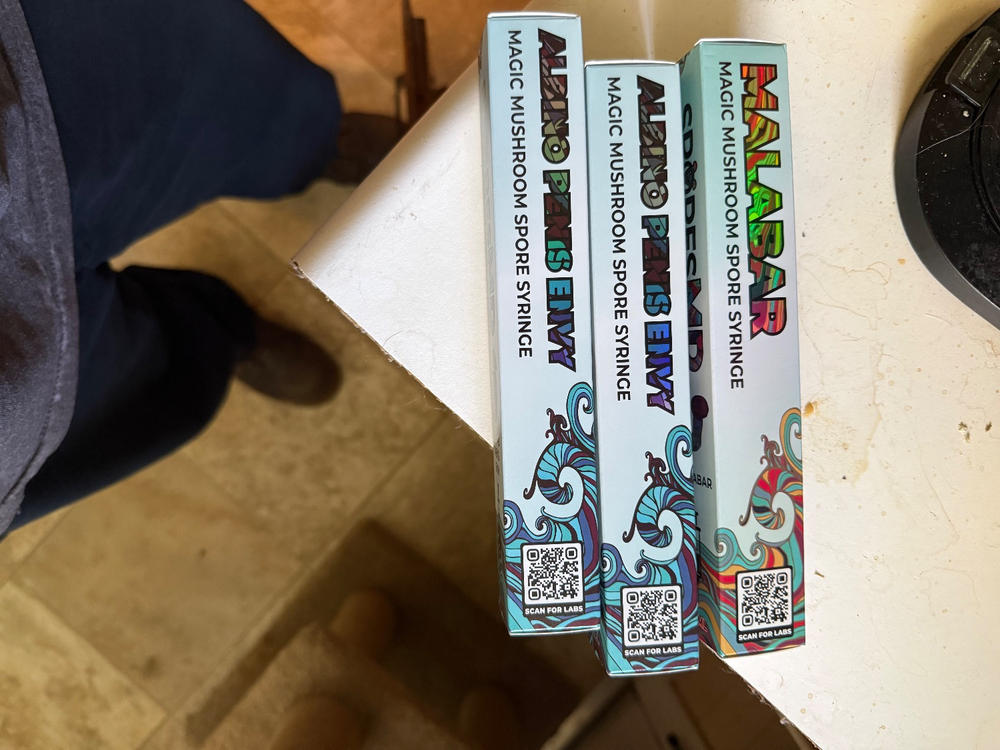
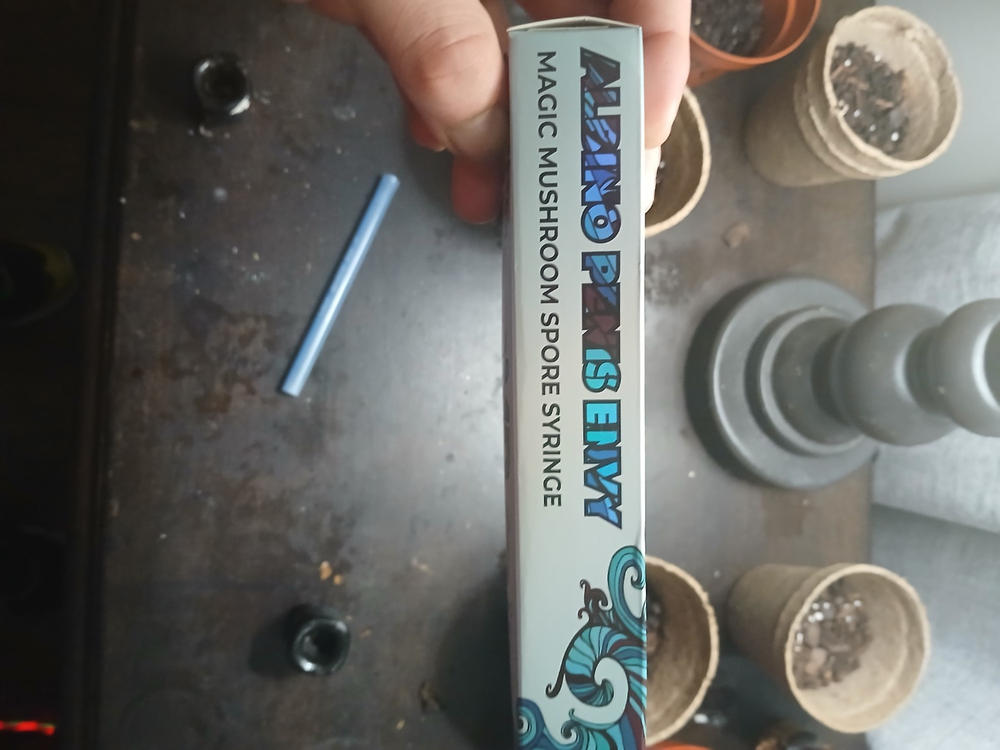
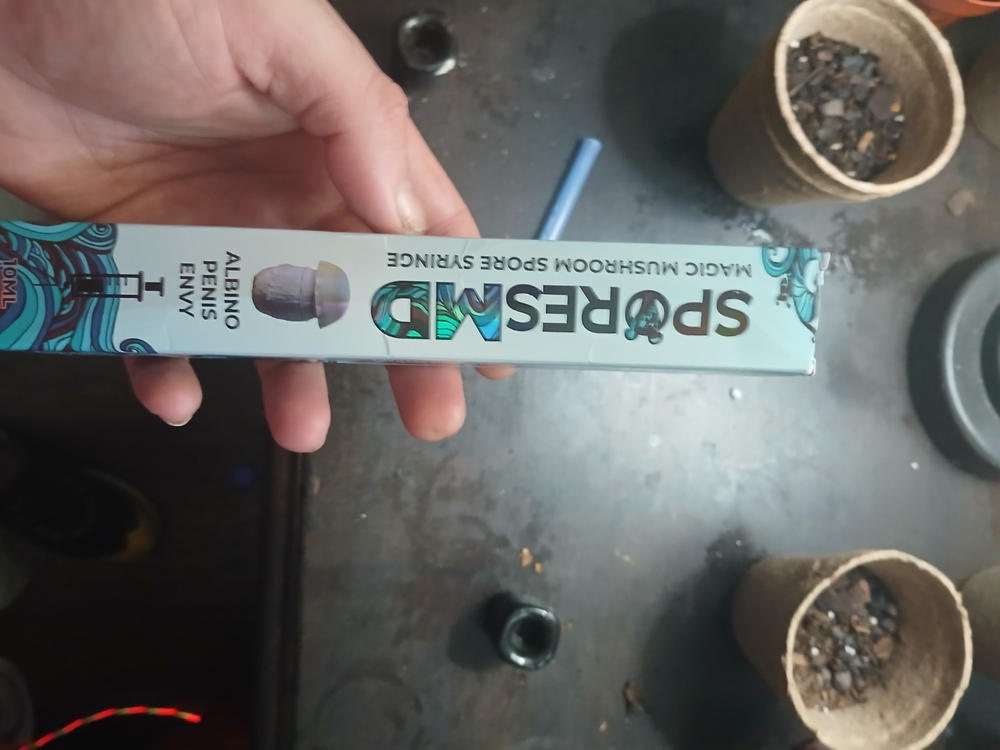
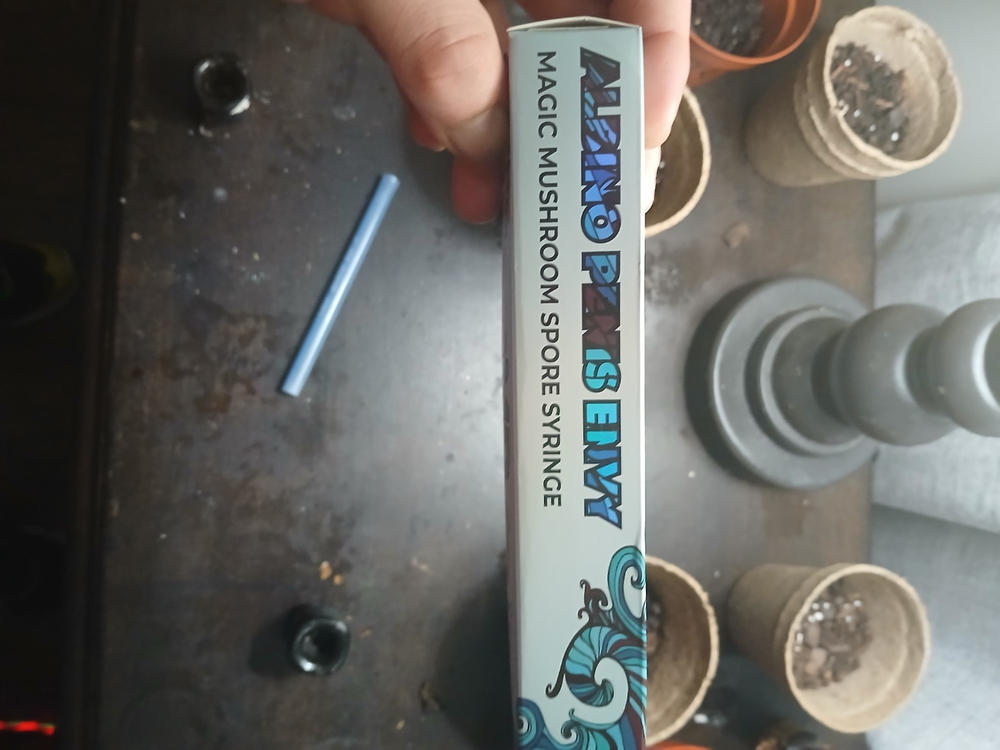
Albino Penis Envy Liquid Culture for Mycology Research
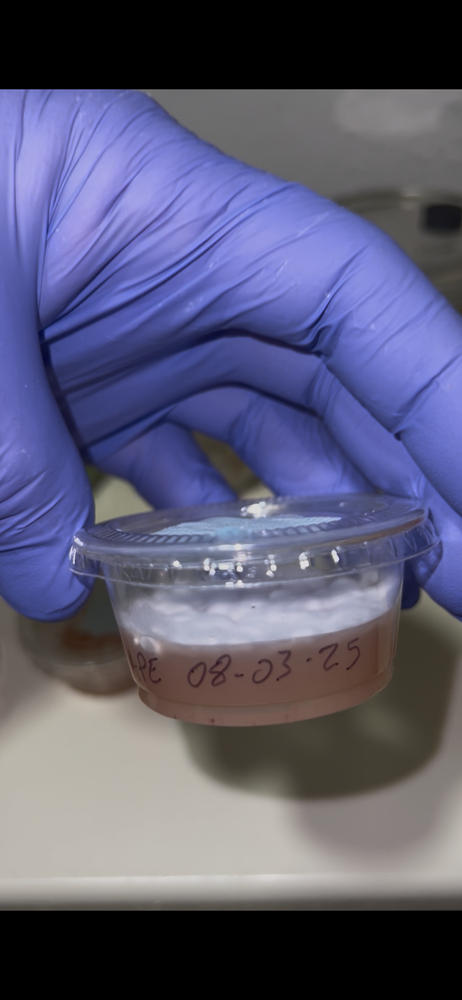
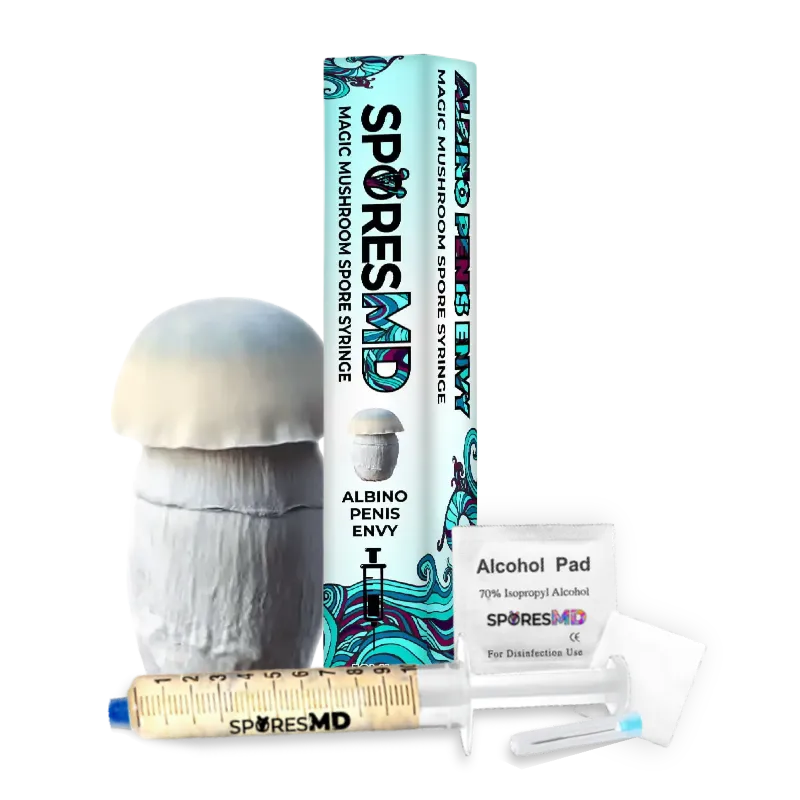
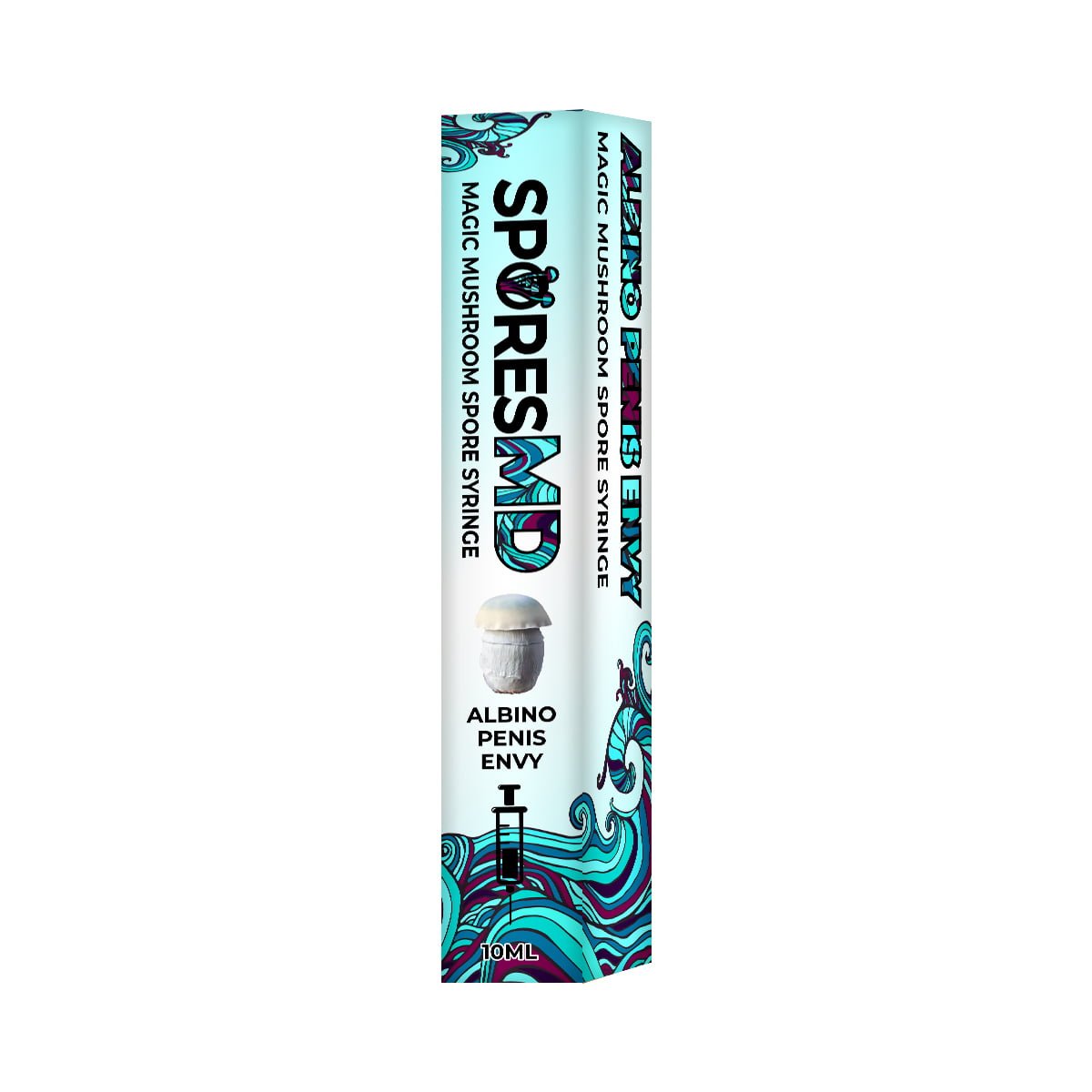
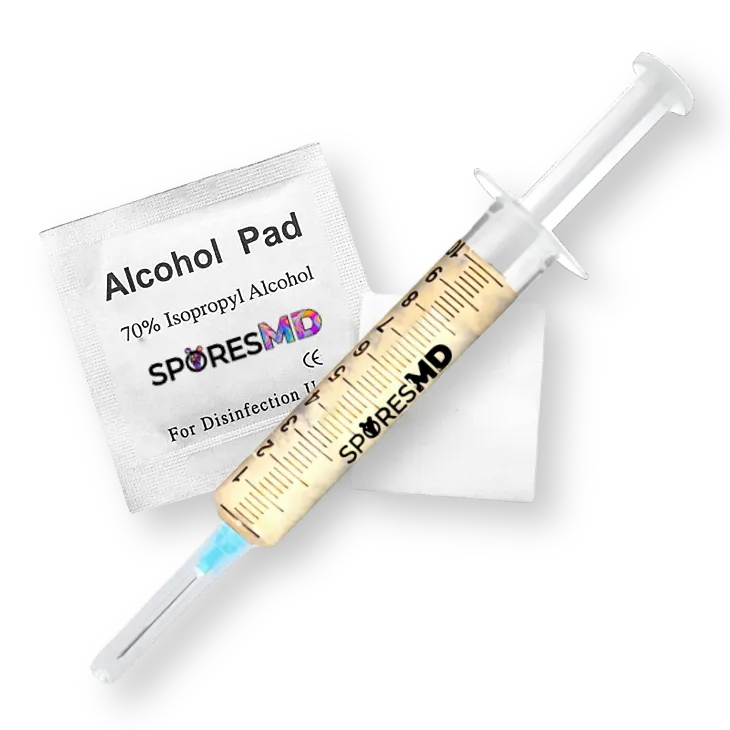
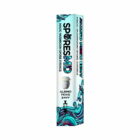
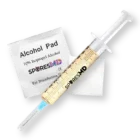
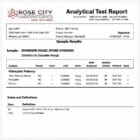
SporesMD’s Albino Penis Envy Liquid Culture delivers live, active mycelium in a pharmaceutical-grade solution at $29.99 per 10mL syringe. Manufactured in cleanrooms with sterile protocols, each culture undergoes rigorous viability testing before shipment. This ensures researchers receive contaminant-free cultures ideal for observing hyphal network development and basidiomycete cellular structures.
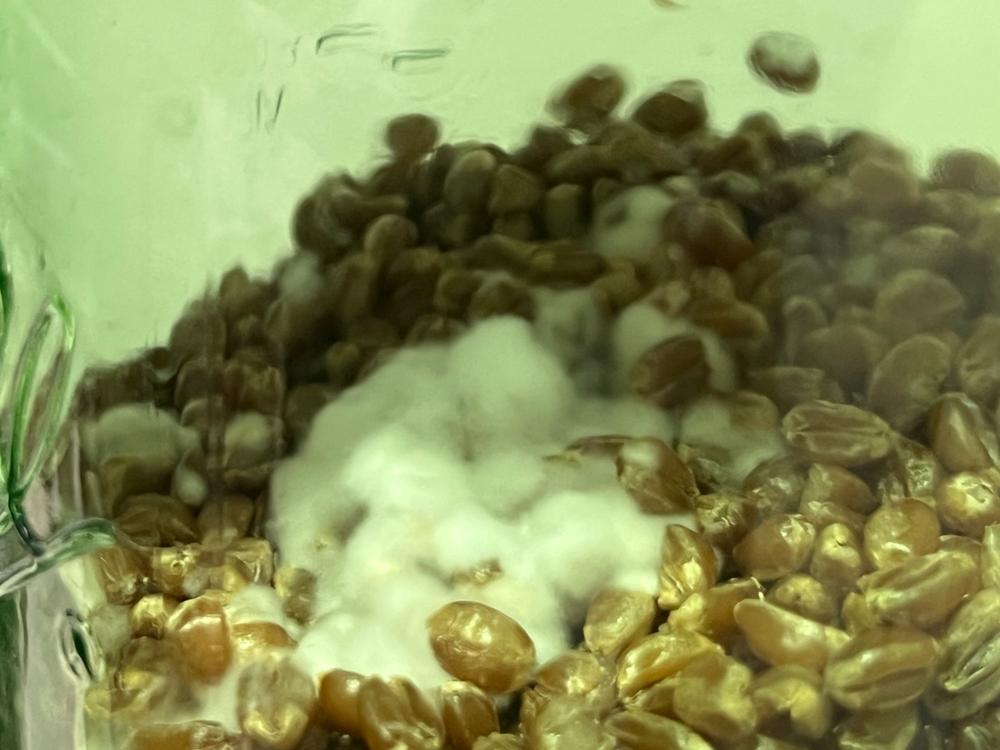
Unlike traditional spore syringes containing dormant genetic material, our liquid culture features pre-developed mycelium suspended in nutrient-dense solution—delivering faster colonization and immediate inoculation results. APE’s genetic complexity demands this precision, bypassing the germination phase entirely and reducing research timelines compared to spore-based methods.
Product Specification | Details |
| Volume | 10mL sterile syringe applicator |
| Manufacturing Standard | Cleanroom environment with sterile protocols |
| Viability Testing | Microscopy + agar plating validation |
| Price | $29.99 per syringe |
| Guarantee | 100% satisfaction or money back |
| Legal Status | Research-only, no controlled substances |
Every batch ships with documented sterility validation—because your microscopy studies deserve pharmaceutical-grade reliability.
Key Characteristics of the APE Cultivar
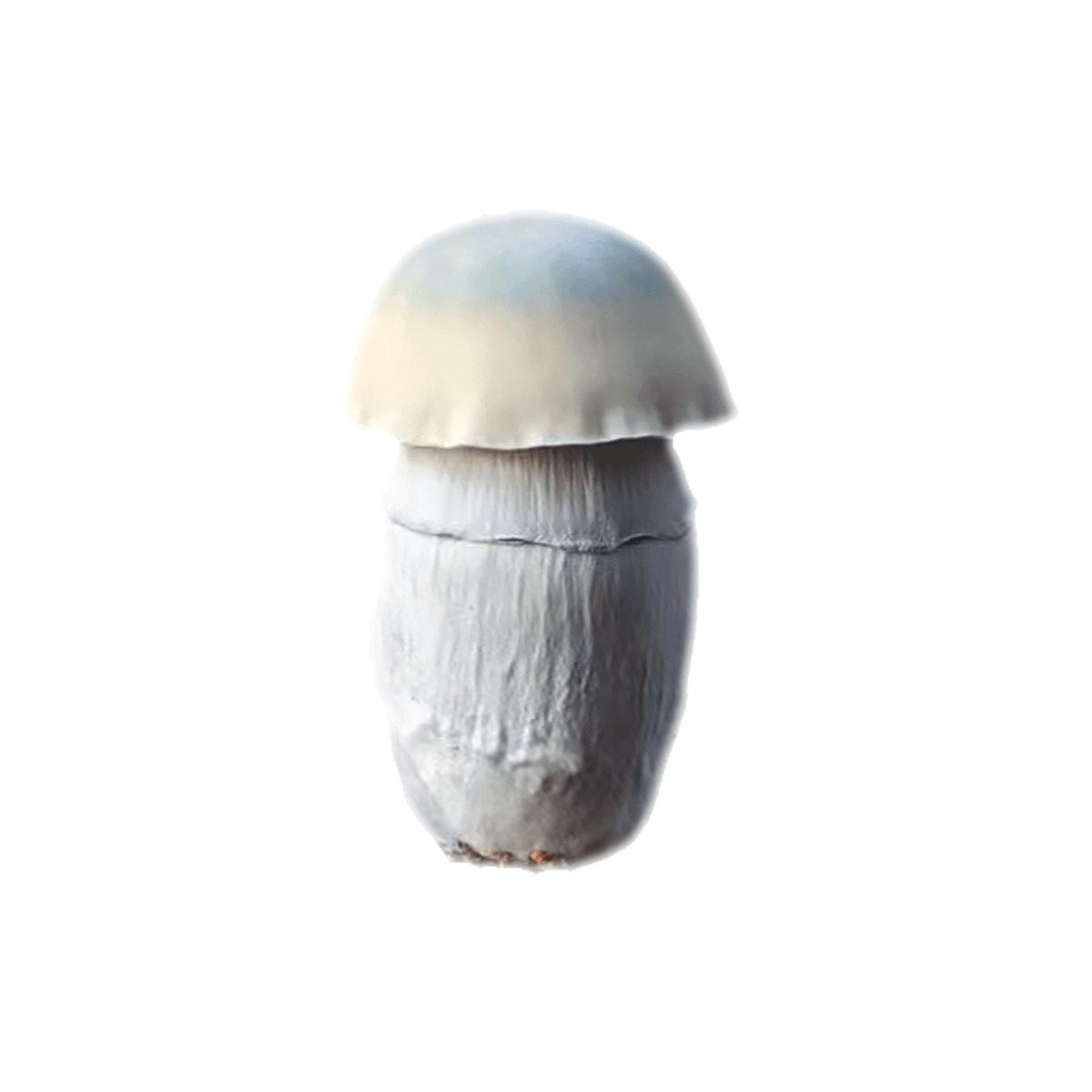
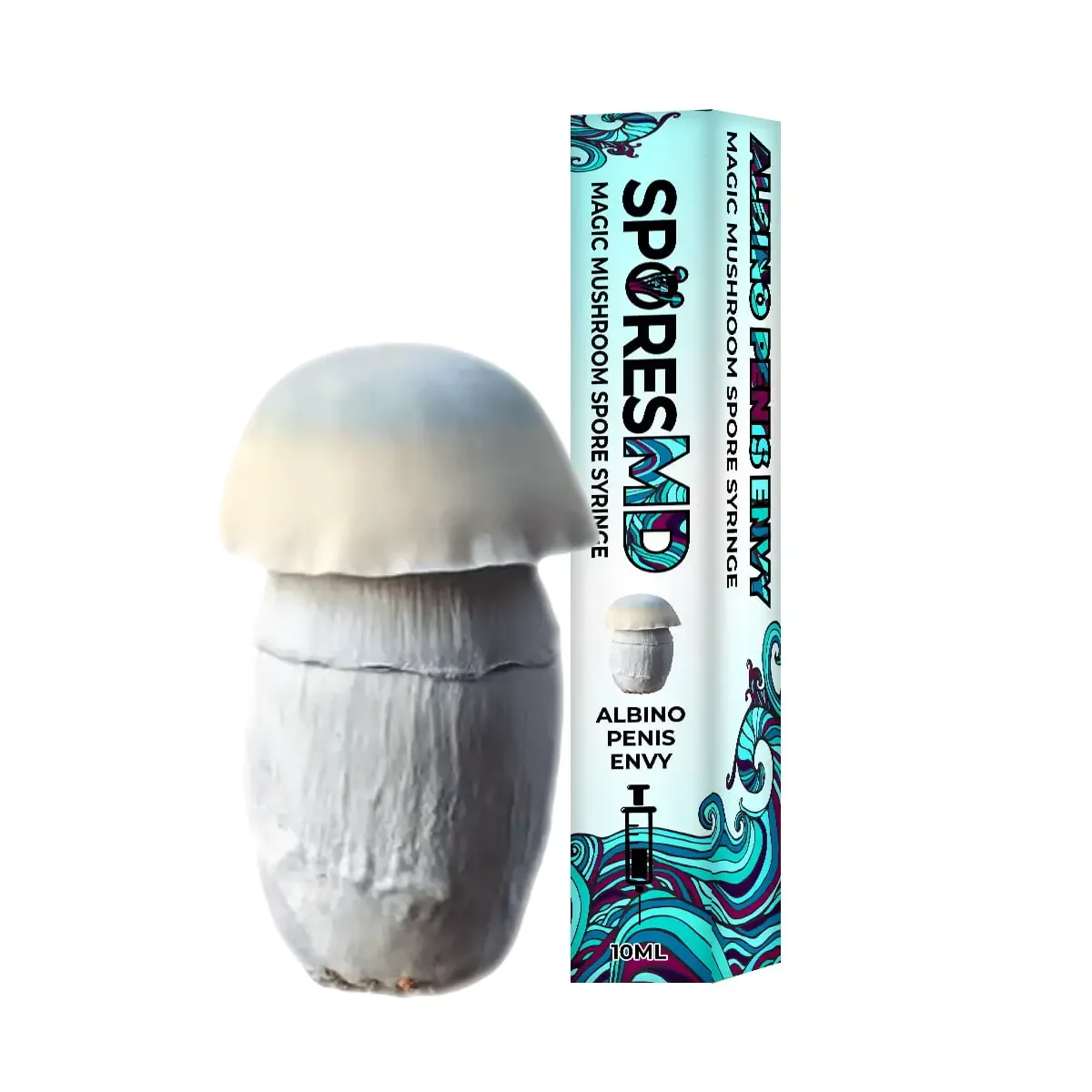
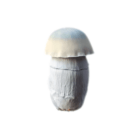
Albino Penis Envy exhibits ghost-white to creamy coloration resulting from a rare leucistic mutation, producing striking pale fruiting bodies with thick, bulbous stems. This P. Cubensis variety provides compelling observational data for researchers studying fungal morphology and hyphal development patterns.
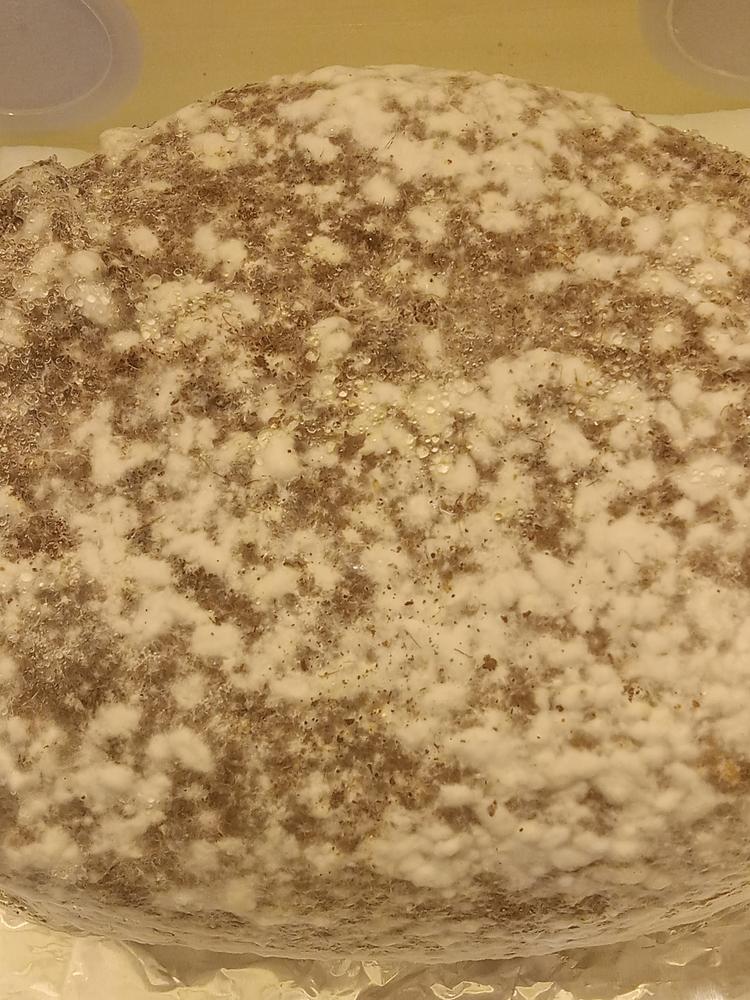
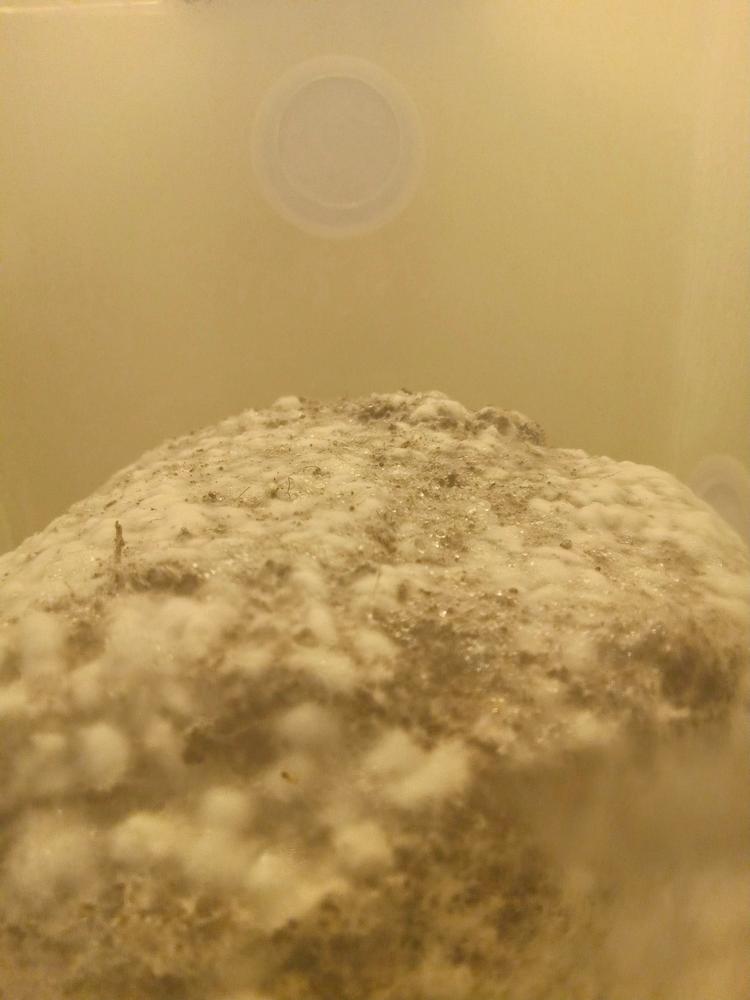
APE demonstrates high contamination sensitivity due to slower germination rates compared to standard cubensis strains. The thicker mycelium requires stringent sterile conditions—precisely why SporesMD manufactures with continuous environmental monitoring.
APE’s near-complete sterility produces rare to minimal spores (7–12 µm in length when present), making liquid cultures a highly reliable propagation method for consistent research results. Gill development is inconsistent and often malformed, contributing to reduced spore production documented by mycology researchers.
APE Characteristic | Research Implication |
| Leucistic Mutation | Unique pigmentation studies under microscopy |
| Thick Mycelium | Extended observation of hyphal network density |
| Contamination Sensitivity | Requires pharmaceutical-grade sterile technique |
| Slower Colonization | 3-5 week timeline ideal for detailed documentation |
| Reduced Spore Production | Liquid culture bypasses low viability issues |
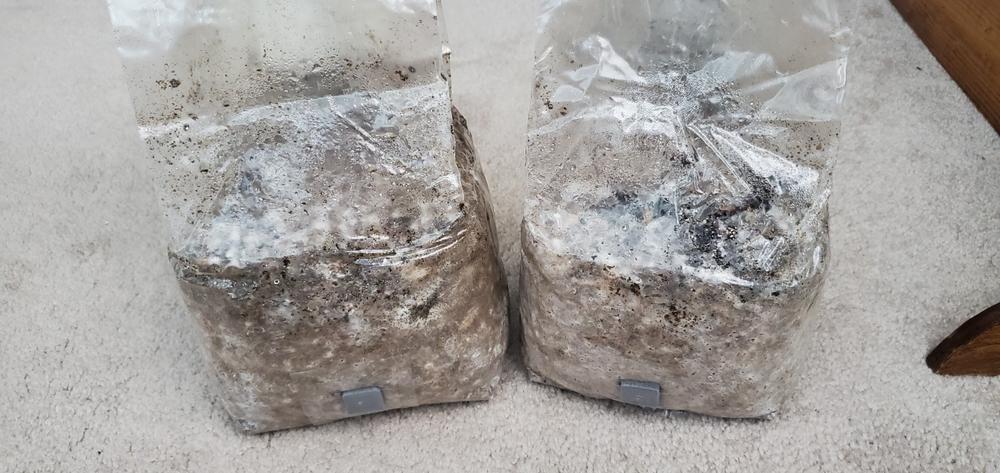
The strain shows reduced yields but visually striking, dense fruits requiring 80%+ humidity, temperatures of 75–78°F for colonization and 70–73°F for fruiting, and consistent fresh air exchange. Researchers achieve consistent results without the unpredictability of spore germination rates.
What is Liquid Culture and Why Choose It?
Liquid culture contains live, growing mycelium suspended in a nutrient-dense solution—not dormant spores waiting to germinate. This fundamental difference means your research begins immediately upon inoculation, skipping the germination phase entirely. For microscopy studies, this translates to faster hyphal network development and more predictable observation timelines. Learn more about what is liquid culture in our comprehensive guide.
For the APE strain specifically, liquid culture solves a critical challenge. Albino Penis Envy produces minimal viable spores due to its genetic mutation, making traditional spore syringes less reliable for this cultivar. Liquid culture bypasses this limitation, providing researchers with consistent, reproducible starting material for observing APE’s unique morphological characteristics.
Factor | Liquid Culture Benefit |
| Colonization Speed | Faster than spores (no germination phase) |
| Contamination Risk | Minimal—pre-tested sterility in controlled environment |
| APE Spore Production | Bypasses APE’s reduced spore viability issue |
| Hyphal Uniformity | Consistent growth patterns for microscopy observation |
| Research Reliability | Verified viability before shipment—no guesswork |
Our liquid cultures reduce the contamination risk inherent in spore-based methods. Because the mycelium is already established in a sterile nutrient solution, you’re introducing a robust, actively growing culture rather than vulnerable spores that must germinate in potentially hostile conditions. This is particularly critical for APE’s contamination-sensitive genetics, as discussed in mycology communities.
Liquid Culture vs Spore Syringe vs Spore Print
For APE research, choosing the right inoculation method determines your success rate. Each approach offers distinct advantages—but not all are equal when working with this challenging cultivar. Check out our detailed comparison of spore syringe vs liquid culture for more insights.
Liquid culture delivers live, active mycelium in a nutrient-dense solution. Spore syringes contain dormant spores suspended in sterile water. Spore prints preserve spores on paper for long-term storage. APE produces minimal viable spores compared to standard cubensis strains, making liquid culture a superior choice for researchers demanding consistent results.
Method | Colonization Speed | Contamination Risk | Shelf Life | Ease of Use | Cost |
| Liquid Culture | Faster (no germination) | Lowest—pre-tested sterility | 12-18 months refrigerated | Moderate—sterile injection | $20-30 per 10ml |
| Spore Syringe | Slower (germination required) | Higher—germination phase | 12-24 months | Easiest—direct inoculation | $25-35 per 10ml |
| Spore Print | Slowest (poor viability) | Highest—requires cleanroom prep | Indefinite if stored properly | Most labor-intensive | $20-30 per print |
Spore syringes offer dormant genetic material requiring germination before observation begins. While accessible, APE’s poor spore viability extends colonization timelines significantly—a delay for time-sensitive research. Contamination risk increases during the extended germination phase, particularly with APE’s heightened sensitivity. For more information, read about spore syringe vs spore print.
Spore prints provide the longest shelf life but demand the most labor. Transferring prints to agar or liquid media requires advanced sterile technique, and APE’s minimal spore production makes print collection exceptionally challenging. Alternative propagation methods like agar clones and tissue isolates are also viable for APE research. Explore our microscopy prints collection for additional options.
Researchers switching from spore syringes to liquid culture report significant reduction in failed observations. APE’s demanding nature—requiring high humidity and precise temperature control—leaves little margin for error. Starting with established mycelium removes the germination bottleneck entirely.
Storage and Handling Guidelines
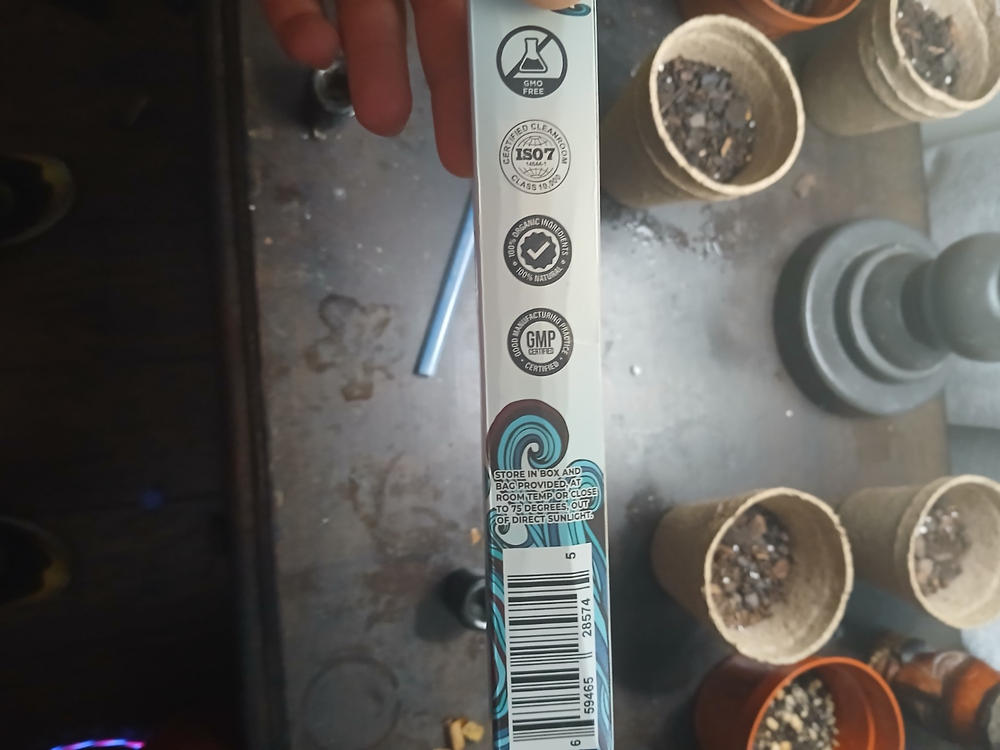
Pharmaceutical-grade liquid cultures maintain optimal viability when stored at room temperature (68–72°F) away from direct light. SporesMD’s liquid cultures undergo rigorous viability validation through microscopy and sterility testing via agar plating before shipment, ensuring research-grade quality according to ISO cleanroom standards. Learn more about how to store spore syringes and how long do spore syringes last for optimal preservation.
For APE strains specifically, proper storage in sterile, sealed syringes prevents contamination and maintains mycelial vigor for extended periods. Cultures should be used within the timeframe specified on product documentation and stored according to manufacturer guidelines for maximum viability in research applications. For practical guidance, see our article on how to grow mushroom spores from a syringe.
Frequently Asked Questions
What Is the Albino Penis Envy Cultivar?
Albino Penis Envy (APE) is a rare leucistic mutation of P. Cubensis characterized by ghost-white to creamy fruiting bodies with thick, dense, bulbous stems. This cultivar exhibits significantly reduced spore production—spores are rare to minimal—making APE strains more sterile than standard cubensis varieties. For research applications, APE is typically propagated via liquid culture or agar wedges rather than spore syringes due to its reduced spore viability. Browse our microscopy spores collection for related research materials.
What Makes APE Different From Regular Penis Envy?
Albino Penis Envy differs from standard Penis Envy through a heavy leucistic mutation that produces ghost-white to creamy coloration in both caps and stems, compared to the caramel-brown appearance of regular Penis Envy. APE exhibits reduced spore production with rare to minimal viable spores, whereas standard penis envy liquid culture produces more viable spores. APE also displays thicker, denser stems with pronounced blue bruising upon handling, and shows reduced gill development with malformed or partially absent gills. For comparison, check out our jack frost liquid culture and enigma isolated liquid culture options.
What Certifications Does This Product Have?
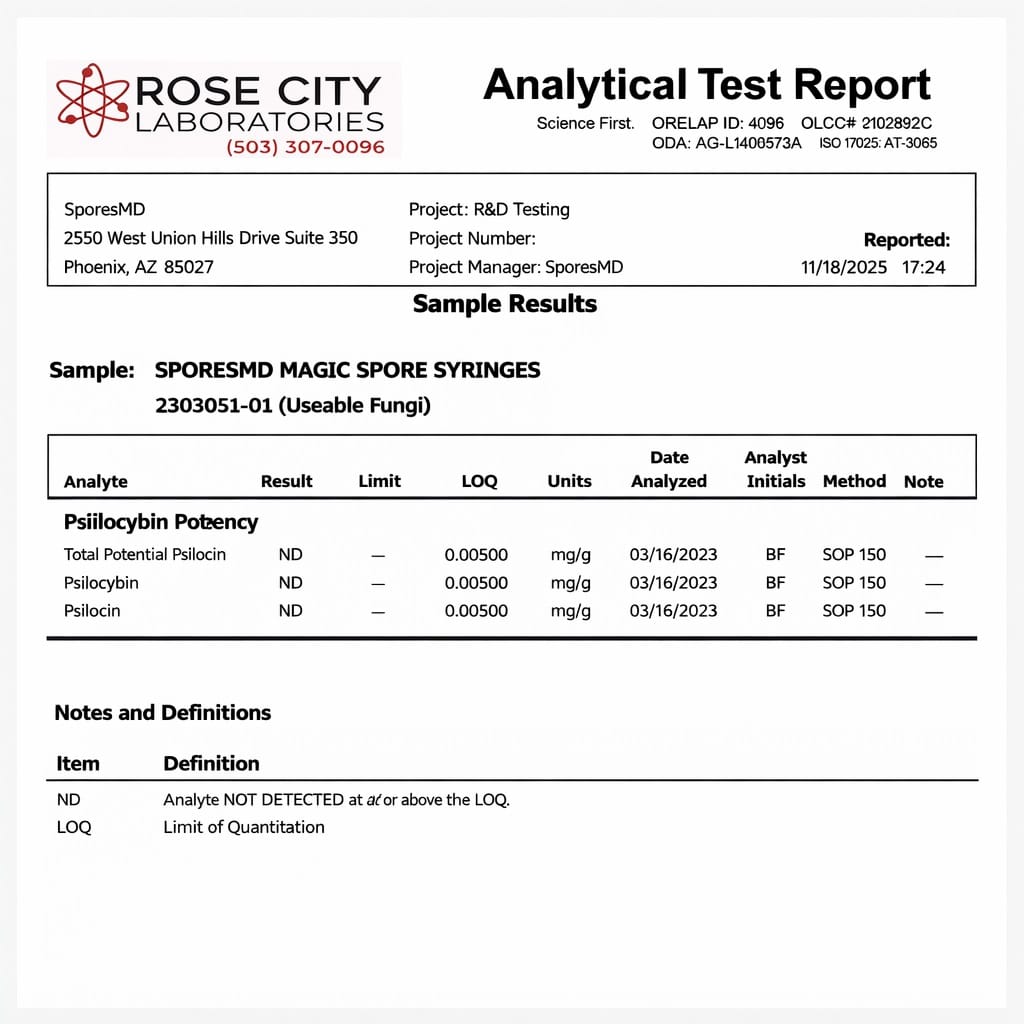
SporesMD’s pharmaceutical-grade liquid cultures are manufactured in controlled cleanroom environments that maintain strict standards for particle limits and environmental controls. Our facilities feature filtered airflow systems ensuring cultures are free from contaminants. All products undergo rigorous quality validation including viability checks via microscopy and sterility validation through agar plating before shipment. SporesMD maintains high manufacturing standards and adheres to all legal requirements, ensuring products contain no traces of controlled substances. Every batch is backed by a 100% satisfaction guarantee. For questions, click here to contact us. View our complete catalog and explore our best selling products, microscopy supplies, microscopy swabs, and all in one mushroom grow bag. All products are sold in accordance with our terms and conditions for research purposes only. For advanced techniques, see our guide on isolated spore syringe vs regular syringe and use our mushroom dosage calculator for reference.
Looking for bulk research materials? Visit our Wholesale page for B2B pricing.
For researchers interested in edible and medicinal species, explore our Mushroom Grow Kits or Liquid Cultures for legal cultivation studies.